


Wenn du die bekannten Pfade verlässt, öffnet sich eine Welt voller ruhiger Weiten und verborgener Geschichten. Hier in Ungarn, fernab der touristischen Massen, findest du Orte, die noch ihre ursprüngliche Seele bewahren. Die Puszta erstreckt sich endlos, während kleine Dörfer mit jahrhundertealter Tradition auf dich warten. Es ist eine Reise in die Stille, in der die Natur und die Kultur ungestört atmen können.
Auf deiner Route begegnen dir weite Graslandschaften, versteckte Höhlensysteme und Weinberge, die nur wenige kennen. Orte wie Hortobagy, die Aggtelek-Karstregion und die Weinregion Tokaj bieten Einblicke in eine unberührte Welt. Hier kannst du die Natur hautnah erleben, lokale Bräuche entdecken und dich vom langsamen Rhythmus des Landes tragen lassen.
Off-the-beaten-path in Ungarn bedeutet, abgelegene Orte wie Hortobagy Puszta, die Höhlen im Aggtelek-Karst und die Weinregion Tokaj zu erkunden, die abseits der Massen liegen.
- Hortobagy Puszta bietet endlose Weiten und traditionelle Pferdehaltung, ideal für Naturliebhaber, die Ruhe suchen.
- Die Aggtelek-Karstregion beherbergt beeindruckende Höhlensysteme, perfekt für Abenteuerlustige mit Interesse an Geologie.
- Tokaj ist bekannt für seine einzigartigen Weine und kleine Weingüter, ideal für Weinliebhaber, die authentische Verkostungen suchen.
Alle Orte auf der interaktiven Karte sehen
Nach Land filtern, in jeden Pin hineinzoomen und die Route mit dem Pack Lightly Länderkarten-Tool planen.
Ungarn abseits der Massen: Das wahre Herz des Landes entdecken
Ungarn zeigt seine unverfälschte Seite durch seine weiten Puszta-Landschaften, versteckte Höhlen und kleine Weinorte. Diese Orte sind für Reisende, die das Authentische suchen, unverzichtbar. Hier kannst du die Kultur, Natur und Geschichte Ungarns in ihrer ursprünglichsten Form erleben, weit weg vom Trubel der bekannten Sehenswürdigkeiten.
- Der Hortobagy Puszta ist das Symbol für unberührte Weite und traditionelle ungarische Pferdekultur, ideal für Naturliebhaber mit Abenteuergeist.
- Die Höhlen im Aggtelek-Karst sind ein faszinierendes Naturwunder, das nur wenige Touristen besuchen, perfekt für Entdecker mit Interesse an Geologie und Geschichte.
- Die Tokaj Weinregion bietet eine intime Erfahrung mit kleinen Weingütern, die authentische ungarische Weine in einer ruhigen, ländlichen Umgebung produzieren.
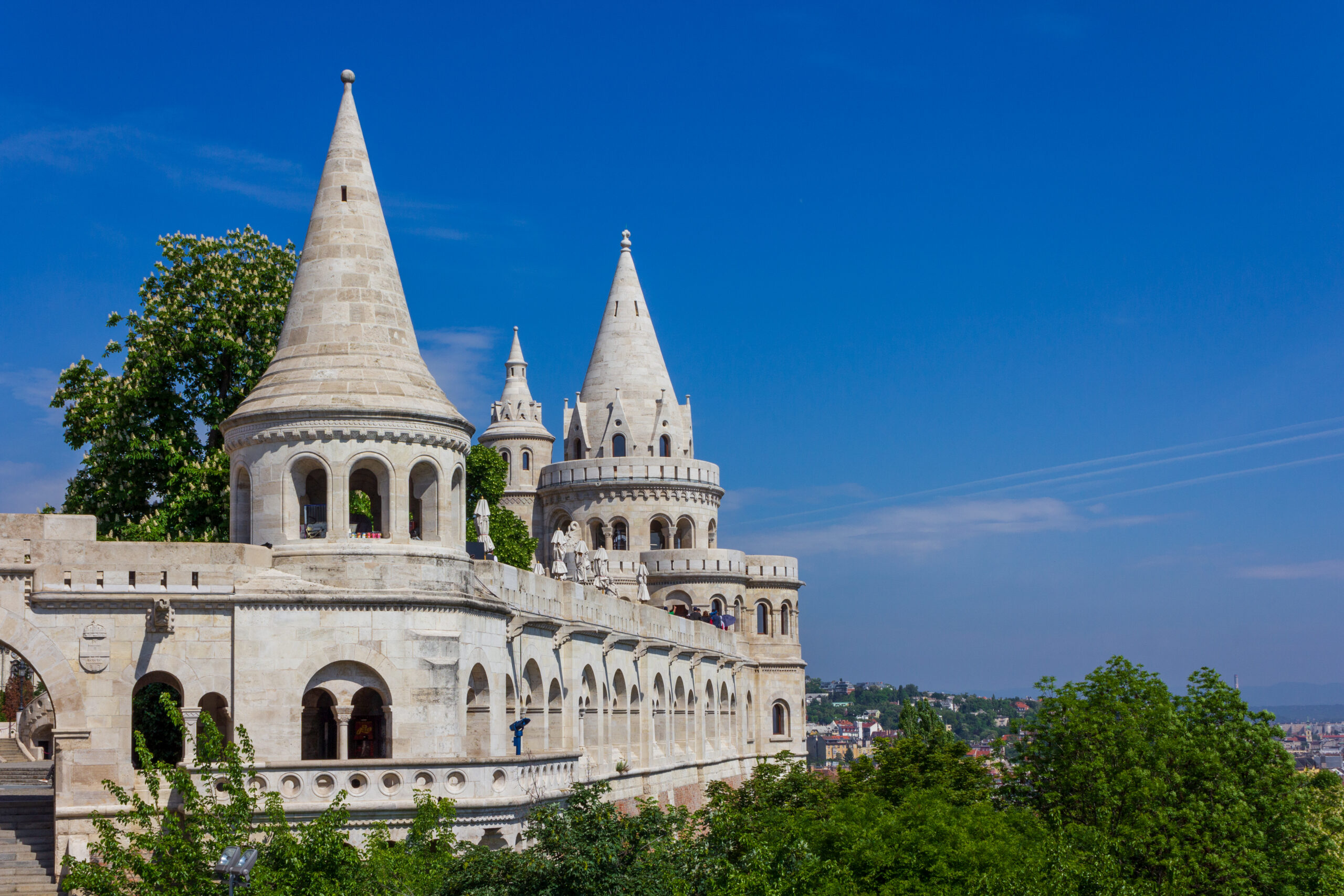
Exploring Hungary’s Hidden Landscapes and Cultural Treasures
Beyond Budapest’s busy streets, Hungary offers remote plains and rich heritage sites. Discover Hortobagy puszta, known for its vast grasslands and traditional horse culture, alongside the Tokaj wine villages, famed for their historic vineyards and unique wine-making traditions. This curated route connects these lesser-known spots, perfect for travelers seeking authentic experiences away from crowded tourist areas.

Pins[]
Arriving at the edge of the Hortobagy puszta, the endless grasslands stretch out under a wide sky, offering a sense of isolation that appeals to those seeking wilderness. This region is a living landscape of traditional Hungarian pastoral life, where the horsemen still perform their age-old herding routines. Visiting here requires a 4×4 vehicle, especially in wet seasons when the dirt roads can become muddy. The best time to visit is from April to October, when the weather is mild and the landscape is lush. A full day allows for a thorough exploration of the plains, including the iconic Nine-Hole Bridge and the local livestock markets. The terrain is flat but expansive, with some areas requiring moderate walking. Expect limited amenities; most visitors stay in small guesthouses or camp. The area is quiet outside peak season, making it ideal for solitude. Entry is free, but guided tours or horseback rides cost extra. This spot suits adventurous travelers interested in authentic rural life and open landscapes. For a deeper experience, combine it with a visit to the nearby Aggtelek caves, which are a two-hour drive away. If you prefer cultural immersion over outdoor adventure, skip the caves and focus on the local folk festivals in summer. Be prepared for limited mobile coverage and bring supplies for a day in the wild. If weather or access conditions are unfavorable, consider a backup plan in the nearby towns or a visit during the drier months.

Pins[]
Tucked away in northeastern Hungary, the Aggtelek karst cave system offers a subterranean world rarely visited by tourists. The caves are a UNESCO World Heritage site, featuring impressive stalactites, stalagmites, and underground rivers. Access requires a guided tour, which lasts about two hours and is available from spring through autumn. The journey begins at the village of Aggtelek, where a short drive from the regional hub of Jósvafő is necessary. The terrain is accessible but involves some walking on uneven surfaces inside the caves. Visiting here is best from May to September, when the caves are open and the weather is warm enough for outdoor exploration. Expect a moderate difficulty level due to the confined spaces and uneven floors. Outside the peak season, the caves are notably less crowded, offering a more intimate experience. Entry fees are modest, and guided tours are included. This site appeals to those interested in geology, speleology, and natural history. Combine it with a walk through the village’s folk museum or a picnic in the surrounding forest. If you’re not comfortable with confined spaces or have mobility issues, this may not be suitable. Weather can impact access in early spring or late autumn, so check ahead. For a full day, plan to visit the caves and enjoy a local meal in Jósvafő afterward. If caves are not your priority, consider a scenic drive through the nearby hills or a visit to the local wine cellar in the village.
Pins[]
The Tihany peninsula, located on Lake Balaton’s northern shore, offers a peaceful retreat away from the busy tourist hotspots. Known for its historic Benedictine abbey and panoramic views, Tihany’s quiet villages and lavender fields are worth the effort to reach. The journey involves a scenic drive from Balatonfüred, with a short ferry crossing in peak season or a drive around the lake in off-peak months. Visiting from late spring to early autumn ensures pleasant weather and blooming lavender. A half-day visit allows time to explore the abbey, walk along the lakeside, and enjoy local honey and wine at small family-run shops. The terrain is gentle, suitable for all levels, but parking can be limited in summer. Expect a moderate crowd during peak months, but outside July and August, the area remains tranquil. Entry to the abbey is free, but some parts require a small fee. This spot is ideal for those seeking cultural depth combined with scenic beauty. Combine it with a visit to nearby Balatonfüred or the quiet villages along the lake’s eastern shore. If you prefer a more active experience, rent a bike and cycle along the lakeside trail. For a full day, stay overnight in a local guesthouse to enjoy the sunset over the lake and avoid daytime crowds. If weather turns bad or parking is full, consider visiting the nearby Káli Basin for a different landscape and fewer visitors.
Pins[]
The Hortobagy National Park, part of Hungary’s puszta, is a vast expanse of steppe that embodies the country’s traditional pastoral culture. Unlike the more accessible plains, this area demands a longer drive from major cities, often requiring a 4×4 in wet seasons. The park’s open landscape is best explored from spring to early autumn, when the grass is green and wildlife active. A full day allows for visiting the famous Nine-Hole Bridge, observing birdlife, and experiencing the local horse shows. The terrain is flat but expansive, with some areas requiring moderate walking. The park is less crowded outside the peak summer months, offering solitude for those willing to endure the drive. Entry is free, but guided horseback rides or boat trips cost extra. This destination suits travelers interested in rural traditions, birdwatching, and wide-open spaces. Combine it with a visit to the nearby Hortobagy Folk Museum or attend a traditional horse herding demonstration. Expect limited amenities; plan to bring supplies and stay in local guesthouses or camp. Weather can be unpredictable, so check forecasts before heading out. If you prefer a more relaxed visit, arrive early in the day to avoid the few other visitors. For those seeking a cultural experience, timing your visit during local festivals or folk days enhances the authenticity. If access is difficult or weather is poor, consider a backup plan in the nearby towns or a shorter visit to the park’s visitor center.

Pins[]
The village of Tokaj, nestled in Hungary’s renowned wine region, offers a quiet escape into history and viticulture. Unlike the bustling tourist centers, this area remains peaceful outside harvest season, which peaks from September to November. The winding roads lead through historic vineyards, many still family-run, where traditional wine-making methods persist. Visiting here requires a car, as public transport options are limited. A day trip from nearby towns like Mád or Tarcal allows for wine tastings at small cellars, often with a chance to meet the winemakers. The landscape is gentle, with rolling hills and lush vineyards, best enjoyed from late spring to early autumn. Expect a moderate crowd during harvest but otherwise a tranquil experience. Entry to wineries varies; some offer free tastings, others charge modest fees. This spot is perfect for wine lovers and those interested in rural Hungarian life. Combine it with a walk through the historic town of Tokaj, visiting the old synagogue or the town square. For a longer stay, book a night in a local guesthouse or vineyard estate. If you prefer a more active day, cycle along the vineyard trails or explore the nearby Tisza River. Weather can influence harvest activities, so check seasonal schedules. If visiting in winter, expect fewer open wineries but enjoy the quiet beauty of the snow-covered landscape.


Combining Hortobagy Puszta and Tokaj Wine Villages into a Trip
Routing through Hungary’s off-the-beaten-path regions involves balancing road conditions, seasonal accessibility, and transport options. The Hortobagy puszta and the Tokaj wine villages are separated by several hours of driving across rural landscapes. Planning requires attention to weather, especially in winter, and choosing between private car hire or local transport. Consider whether to include the Aggtelek caves or Tihany peninsula for a more diverse experience.
Hortobagy Puszta and Aggtelek Caves Loop 7-10 days
Start in Budapest and drive northeast to Hortobagy, spending 2-3 days exploring the vast grasslands, traditional horse shows, and local farms. From Hortobagy, take a 3-hour drive to the Aggtelek karst caves, allocating 2 days for guided tours and cave exploration. Return south via small rural roads, considering weather conditions in winter. This route suits travelers comfortable with gravel roads and variable weather, as some routes may require a 4WD or careful timing to avoid seasonal closures.
Tokaj Wine Villages and Tihany Peninsula Cultural Route 6-8 days
Begin in Budapest, then head northeast to Tokaj, spending 3-4 days sampling wines, visiting historic cellars, and attending local festivals if timed right. From Tokaj, drive west to Lake Balaton, stopping at Tihany peninsula for a day of cultural sightseeing. This route involves narrow country roads and seasonal ferry schedules on Lake Balaton, so check boat availability in advance. It’s ideal for those interested in heritage and wine, with manageable driving distances and accessible rural roads.
Kombinieren mit
Extend the trip across Hungary’s borders into Slovakia’s wine regions or into Romania’s Carpathian villages via border crossings at Záhony or Oradea. These routes connect well with the northeastern and southeastern pins, offering additional rural and cultural experiences.
Practical Realities of Off-Beat Travel in Hungary’s Rural Regions
Traveling to Hungary’s remote grasslands and cave systems demands specific logistical planning. Roads can be narrow, seasonal weather impacts accessibility, and local transport options are limited outside major towns. Understanding these realities helps avoid delays and ensures a smoother journey through the off-the-beaten-path pins.
Road closures and seasonal access
Many rural roads in Hortobagy and Aggtelek are unpaved or narrow, with some closing in winter due to snow or ice. Check local conditions before setting out, especially if traveling in late autumn or winter. A 4WD vehicle is recommended for the more remote routes, and always have a backup plan in case of road closures or weather-related delays.
Vehicle requirements
A standard car may suffice for most routes in summer, but in winter or for accessing the more isolated pins, a 4WD rental is advisable. Some roads in the puszta and cave regions are rough and unpaved, and rental companies often exclude coverage for off-road driving. Plan accordingly and carry essential supplies.
Ferry-dependent reach
Access to Tihany peninsula and some lake-side pins depends on seasonal ferry schedules, which can be limited outside peak months. Confirm ferry times in advance, especially in shoulder seasons, to avoid missing connections. During winter, some ferries may not operate, requiring alternative routes or detours.
Language outside the tourist track
In remote villages and rural pins, English speakers are rare. Learning basic Hungarian phrases or using a translation app will facilitate communication with locals, especially when arranging accommodations or asking for directions. Respect local customs and be patient with language barriers.
Off-Beat Travel Questions for Hungary’s Puszta and Wine Regions
1How does exploring these off-the-beaten-path pins differ from visiting Hungary’s main tourist sites?
These regions offer a more authentic and less crowded experience, focusing on rural traditions, local crafts, and natural landscapes. Expect fewer amenities and more self-sufficiency, with limited signage and guided tours. It’s ideal for travelers seeking immersion rather than convenience, but requires more planning and flexibility.
2Is visiting the Aggtelek caves worth the detour if I only have 5 days in Hungary?
Yes, if you enjoy underground landscapes and geological formations. The caves are a 3-hour drive from Budapest and can be explored in a day with a guided tour. However, in such a short trip, consider whether you prefer more time in wine villages or the puszta. The caves are best if you prioritize natural wonders over urban sightseeing.
3Can these pins be visited solo or with children, and what should I consider?
Yes, many rural pins are suitable for solo travelers or families, but check access conditions. Some cave tours involve walking and confined spaces, which may not suit very young children. Rural roads can be challenging for small vehicles, and limited facilities mean you should carry supplies. Always plan for emergencies and ensure your vehicle is well-maintained.
4What vehicle or gear do I need that I can’t rent on the main tourist trail?
A reliable 4WD vehicle is recommended for accessing the more remote pins, especially in winter or after heavy rain. Carrying basic off-road gear, extra fuel, and emergency supplies is wise. Standard rental cars may not cover off-road driving, so specify your needs when booking and check coverage details.
5What is the best sequence to minimize backtracking when visiting these pins?
Start from Budapest heading northeast to Hortobagy first, then loop through Aggtelek and Tihany before returning south. Alternatively, plan a route that follows seasonal ferry schedules or road conditions, especially if visiting in shoulder seasons. Mapping out a logical loop reduces unnecessary driving and saves time.
Bildnachweise: Foto: Brian Adamson / Wikimedia Commons, CC BY 2.0 · Foto: Ximonic (Simo Räsänen) / Wikimedia Commons, CC BY-SA 3.0 · Foto: Ulrik Sverdrup / Wikimedia Commons, CC BY-SA 3.0 · Foto: Ximonic (Simo Räsänen) / Wikimedia Commons, CC BY-SA 4.0 · Foto: Edwinschepers / Wikimedia Commons, CC BY-SA 3.0