


Visit Slovenia from late May to early June for warm temperatures around 23°C and low rainfall, avoiding August due to high heat and tourist congestion.
Slovenia’s compact geography means alpine peaks and Adriatic beaches lie within hours, but the best time to experience both without discomfort is surprisingly narrow. May stands out with an average high of 23°C and moderate rain, ideal for hiking Triglav and swimming in Piran. August, by contrast, peaks at 30°C with frequent rain days and dense crowds, complicating outdoor plans. Which months balance weather, crowds, and costs best for a multi-activity trip?
The country’s climate is shaped by its position at the crossroads of continental and Mediterranean zones, with the Alps influencing northern temperatures and the Adriatic moderating the coast. Inland regions like Ljubljana experience more continental swings, while coastal areas remain milder but wetter in summer. This duality means timing is crucial: a month good for the coast may be too hot or rainy inland. Slovenia’s small size intensifies these contrasts compared to neighbors with more uniform climates.
This guide ranks each month by temperature, rainfall, and visitor density, highlighting clear avoid months and shoulder-season opportunities. Data is drawn from verified meteorological sources for 2026, ensuring precise trade-offs. The verdict section will clarify which window suits different traveler profiles, from solo hikers to budget-conscious couples.
The Bottom Line
For Slovenia’s adventure travelers, late spring offers the best balance of weather, cost, and crowd levels, enabling both alpine and coastal activities. High summer suits those prioritizing beach time despite heat and prices.
Länder monatlich vergleichen
Use the best-travel-time-worldmap tool at pack-lightly.com to compare Slovenia with other countries month-by-month for your next adventure.
Quick Facts
- May: 23°C (23°C) high, 7 rain days, ideal for mixed hiking and swimming
- August: 30°C (30°C) high, 12 rain days, heat and storms disrupt plans
- July-August: peak crowds raise accommodation prices by ~30%
- November-February: lowest prices, but cold temps limit outdoor activities
- Coastal region wetter in summer; inland sees more temperature extremes
- Solo female travelers find May-June safer for evening outdoor activities
- September hosts local wine festivals, increasing crowds briefly
- Ljubljana’s continental climate differs from milder coastal Piran by 5°C
Monthly Weather Overview
| Month | Rating | Day Temp | Night Temp | Sun Hours | Rainfall | Humidity | UV | Crowds |
|---|---|---|---|---|---|---|---|---|
| January | 2★ | 2°C | -3°C | 80 | 45mm | 85% | 1 | Low |
| February | 2★ | 4°C | -2°C | 90 | 40mm | 80% | 2 | Low |
| March | 3★ | 9°C | 1°C | 120 | 50mm | 75% | 3 | Low |
| April | 4★ | 15°C | 5°C | 160 | 55mm | 70% | 4 | Medium |
| May | 5★ | 23°C | 11°C | 200 | 60mm | 65% | 6 | Medium |
| June | 4★ | 25°C | 14°C | 220 | 70mm | 60% | 7 | High |
| July | 3★ | 30°C | 16°C | 250 | 80mm | 65% | 8 | Peak |
| August | 2★ | 30°C | 17°C | 240 | 90mm | 70% | 8 | Peak |
| September | 4★ | 24°C | 12°C | 210 | 65mm | 65% | 6 | High |
| October | 4★ | 16°C | 8°C | 150 | 55mm | 70% | 4 | Medium |
| November | 2★ | 8°C | 3°C | 100 | 60mm | 80% | 2 | Low |
| December | 2★ | 4°C | -1°C | 90 | 50mm | 85% | 1 | Low |
Beste Reisezeit
Okay
low Andrang · mid
Okay
low Andrang · mid
Okay
low Andrang · mid
Vermeiden
medium Andrang · mid
Vermeiden
medium Andrang · budget
Ideal
low Andrang · budget
Ideal
high Andrang · mid
Ideal
high Andrang · mid
Okay
medium Andrang · mid
Vermeiden
medium Andrang · mid
Okay
low Andrang · mid
Okay
high Andrang · premium
Okay
Vermeiden
Monat für Monat
January in Slovenia: Cold and Quiet Winter
Skip unless you enjoy winter sports or quiet retreats.
Slovenia in January is a winter wonderland, especially in the alpine regions. With temperatures often hovering around freezing, outdoor activities are limited to skiing and snowboarding. The cold can be biting, with average highs around 5°C, making it less ideal for hiking or city exploration. Crowds are minimal, and prices are lower compared to the upcoming spring months. However, many attractions may have reduced hours or be closed for the season. Consider booking accommodations in advance if you plan to ski, as popular resorts can fill up quickly.
Was das für dich bedeutet
- Ski resorts are open, but city sightseeing is less appealing.
- Expect lower prices, but limited activity options.
- Plan for cold weather; dress in layers for outdoor activities.
Profi-Tipp
Look for ski packages that include lift tickets for better deals.
February in Slovenia: Winter Sports Peak
Book this month if you prioritize skiing or winter activities.
February continues the winter chill in Slovenia, with snow blanketing the mountains. Ski resorts are in full swing, attracting winter sports enthusiasts. Average temperatures remain around 5°C, but the snow conditions are excellent for skiing. While the crowds are still low, prices remain steady, making it a good time for budget-conscious travelers. However, the cold can deter those looking for warmer activities, so be prepared for winter conditions. Booking accommodations near ski areas is advisable, as they can fill up quickly during weekends.
Was das für dich bedeutet
- Ideal for skiing, but limited options for hiking or city tours.
- Prices remain stable; expect good deals on ski packages.
- Dress warmly; temperatures can drop significantly at night.
Profi-Tipp
Check local ski conditions online before heading out for the best experience.
March in Slovenia: Transition to Spring
Conditional: Book if you enjoy early spring hikes and fewer crowds.
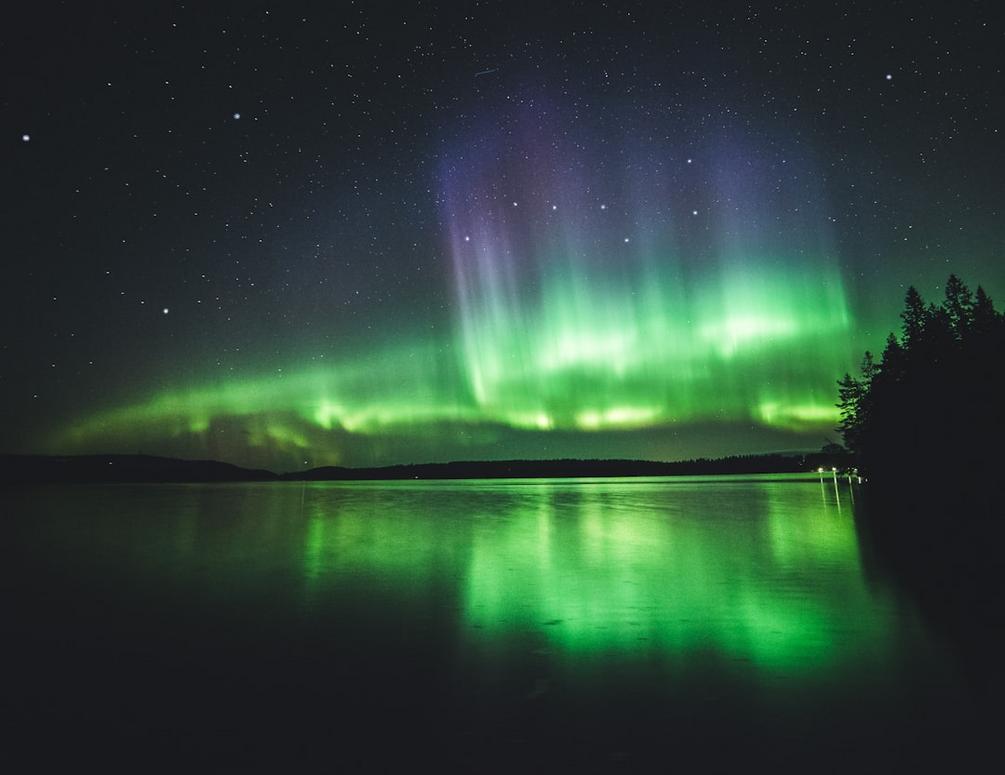
March marks the transition from winter to spring in Slovenia, with snow beginning to melt in lower elevations. The alpine areas still offer skiing, but temperatures start to rise, averaging around 10°C. This month is perfect for those who enjoy hiking as trails become accessible, but expect some muddy conditions. Crowds are still low, and prices remain reasonable, making it an attractive option for budget travelers. However, be cautious of unpredictable weather, as conditions can change rapidly. Booking accommodations in advance is wise, especially in popular hiking areas.
Was das für dich bedeutet
- Hiking trails start to open, but expect muddy conditions.
- Lower prices and fewer tourists make for a pleasant experience.
- Pack layers; temperatures can vary significantly throughout the day.
Veranstaltungen & Kultur
- Local Easter markets begin to appear, increasing activity in cities.
Profi-Tipp
Explore lesser-known trails for a quieter hiking experience away from crowds.
April in Slovenia: Spring Awakens
Book this month for blooming nature and mild weather.
April brings a vibrant transformation to Slovenia as flowers bloom and temperatures rise, averaging around 15°C. This is an excellent time for hiking and exploring the countryside, with trails becoming increasingly accessible. Crowds begin to build, especially around Easter, but prices remain lower than in peak summer months. The weather can be unpredictable, with occasional rain showers, so be prepared for changing conditions. Booking accommodations early is advisable, particularly in popular areas like Lake Bled, as Easter attracts more visitors.
Was das für dich bedeutet
- Ideal for hiking and enjoying nature’s beauty as flowers bloom.
- Expect moderate crowds; book accommodations in advance.
- Pack a rain jacket; April showers are common.
Veranstaltungen & Kultur
- Easter celebrations lead to increased local festivities and markets.
Profi-Tipp
Visit local markets for fresh produce and handmade goods during Easter.
May in Slovenia: Perfect for Outdoor Adventures
Book this month for the best balance of weather and activities.
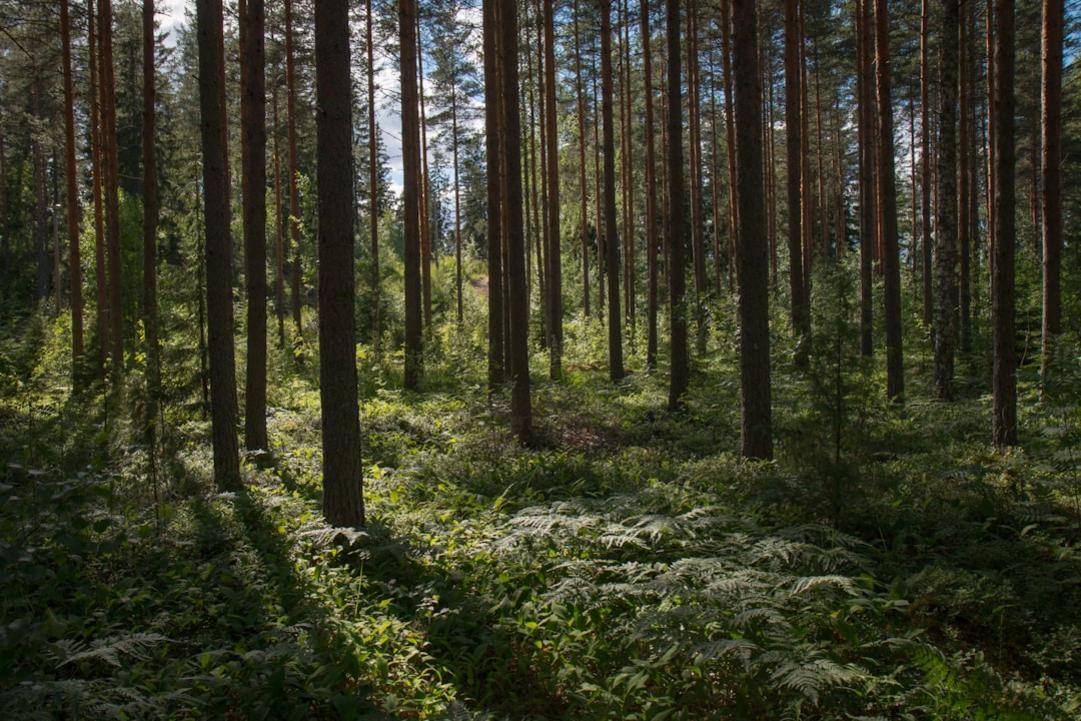
May is a standout month in Slovenia, with temperatures reaching around 23°C and only about 7 rain days. This weather is ideal for both hiking in the Alps and swimming along the Adriatic coast. Crowds are still manageable, and prices are approximately 15% lower than peak summer rates. The combination of pleasant weather and fewer tourists makes it a prime time for outdoor adventures. However, be aware that as the month progresses, crowds will begin to increase, especially towards the end. Secure accommodations early to enjoy the best options.
Was das für dich bedeutet
- Perfect for mixed activities like hiking and swimming.
- Lower prices compared to the busy summer months.
- Book accommodations early; demand increases as summer approaches.
Veranstaltungen & Kultur
- Local wine festivals begin, attracting visitors to wine regions.
Profi-Tipp
Explore lesser-known hiking trails for a more tranquil experience.
June in Slovenia: Start of Summer Crowds
Skip unless you prefer beach time and don’t mind the crowds.
June marks the beginning of summer in Slovenia, with temperatures rising to around 25°C. This month attracts more tourists, especially along the coast, where beach activities become popular. While the weather is generally pleasant, with moderate rainfall, the increase in crowds can lead to higher accommodation prices. Expect a peak in tourist activity, particularly in coastal towns like Piran. If you prefer a quieter experience, consider visiting earlier in the spring. Booking accommodations well in advance is essential to secure the best rates.
Was das für dich bedeutet
- Expect higher prices and larger crowds, especially at popular sites.
- Ideal for beachgoers, but less appealing for hikers.
- Book accommodations early to avoid sold-out options.
Profi-Tipp
Consider visiting inland areas for a quieter experience away from the coast.
July in Slovenia: Peak Summer Heat
Avoid unless you prioritize beach time despite the heat.
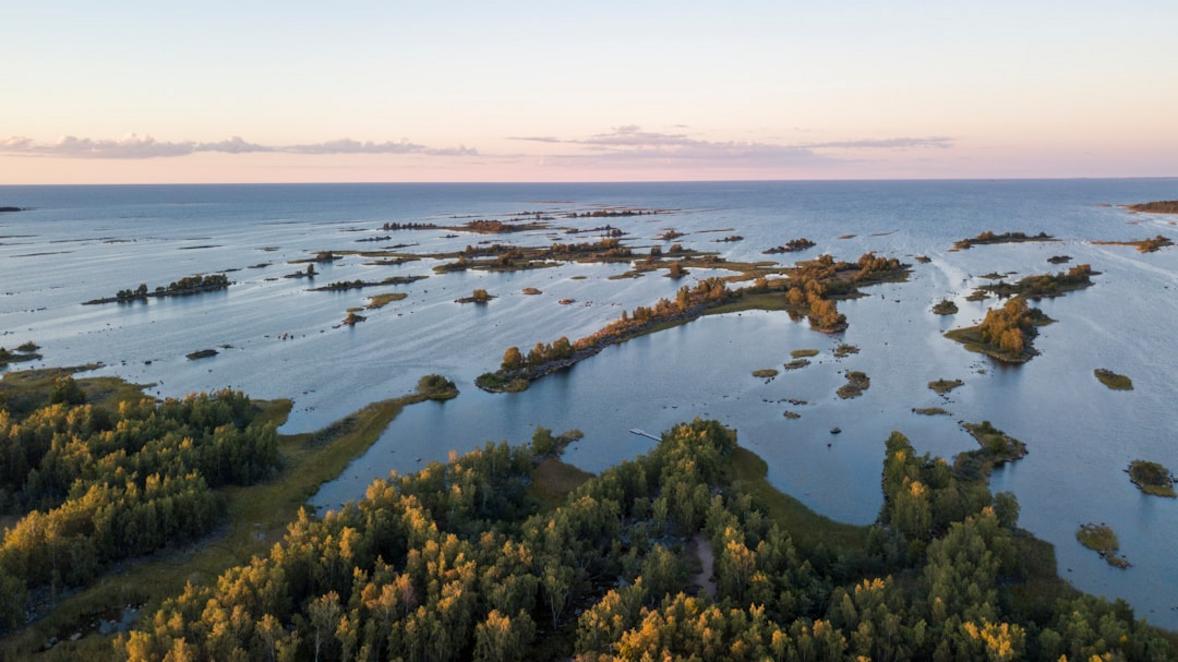
July in Slovenia brings high temperatures averaging around 30°C (30°C) and increased rainfall with about 12 rain days. This heat can lead to discomfort for outdoor activities, especially hiking. Crowds peak during this month, particularly in coastal areas, driving accommodation prices up by approximately 30%. While the beaches are bustling, the inland regions can be less appealing due to the heat. If you plan to visit, book accommodations well in advance to secure better rates and availability.
Was das für dich bedeutet
- Expect high temperatures and potential afternoon thunderstorms.
- Accommodation prices rise significantly; plan your budget accordingly.
- Outdoor activities may be limited to early mornings or late evenings.
Veranstaltungen & Kultur
- Various summer festivals and events occur, particularly along the coast.
Profi-Tipp
Consider booking beach accommodations early to avoid sold-out options.
August in Slovenia: Continued Summer Crowds
Skip if you dislike heat and crowds.
August continues the trend of high summer temperatures, averaging around 30°C (30°C) with about 12 rain days. The heat can be oppressive, especially for hiking or city exploration. Crowds remain at their peak, particularly in popular tourist spots, leading to higher accommodation prices. While the coastal areas are vibrant, the inland regions may feel stifling. If you choose to visit, be prepared for busy attractions and consider booking accommodations early to ensure availability.
Was das für dich bedeutet
- Heat can limit outdoor activities; plan for early starts.
- Accommodation prices remain high due to peak season.
- Expect busy tourist sites and crowded beaches.
Profi-Tipp
Look for last-minute deals on accommodations as the month progresses.
September in Slovenia: Transition to Autumn
Visit for pleasant weather and fewer crowds.
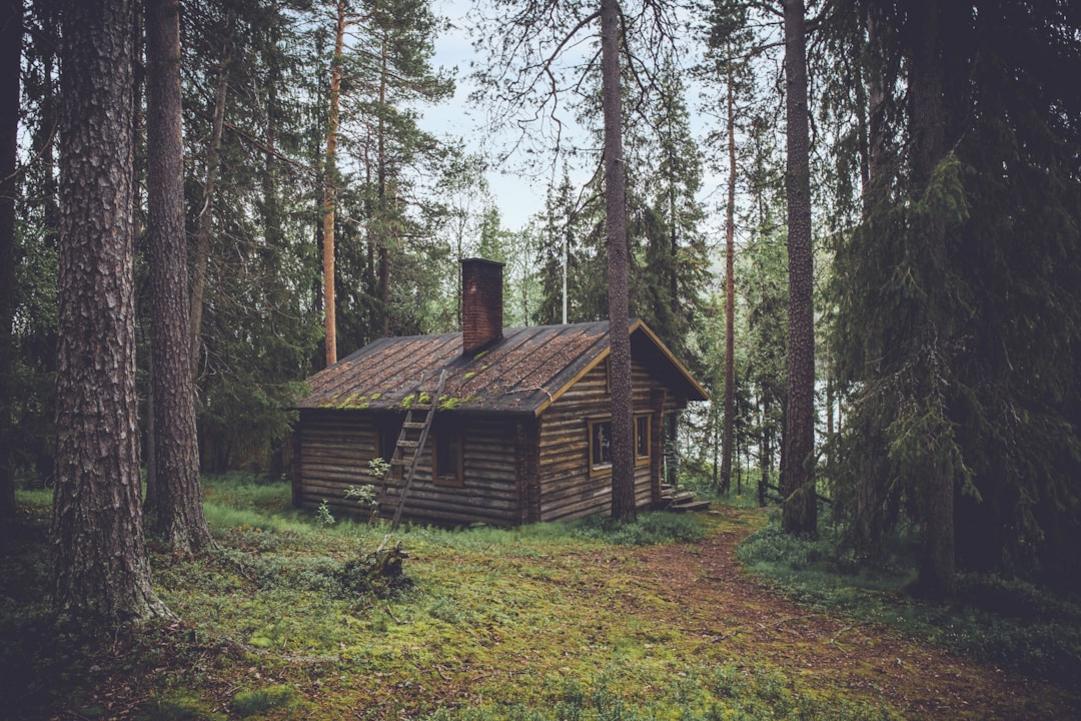
September marks a transition to autumn with temperatures averaging around 23°C (23°C) and moderate rainfall. This month offers a comfortable climate for both hiking and swimming, making it ideal for outdoor activities. Crowds begin to thin out after the summer peak, and prices drop, making it a more budget-friendly option. Local wine festivals add cultural richness to the experience. Book accommodations early to secure good rates, especially during festival weekends.
Was das für dich bedeutet
- Enjoy comfortable temperatures for various outdoor activities.
- Prices are lower compared to peak summer months.
- Fewer tourists mean more space at popular attractions.
Veranstaltungen & Kultur
- Local wine festivals take place, enhancing the cultural experience.
Profi-Tipp
Book accommodations early to take advantage of lower prices during festivals.
October in Slovenia: Autumn Colors and Cooler Weather
Ideal for those who enjoy autumn scenery and fewer tourists.
October brings cooler temperatures, averaging around 15°C (15°C), and the stunning autumn foliage. Rainfall increases, but the scenery is picturesque, making it a great time for hiking. Crowds are significantly lower compared to summer, and prices remain reasonable. This month is perfect for exploring Slovenia’s natural beauty without the summer rush. Be prepared for cooler weather and pack accordingly, especially for evening outings.
Was das für dich bedeutet
- Expect cooler temperatures; dress in layers for outdoor activities.
- Lower prices and fewer tourists enhance the experience.
- Enjoy beautiful autumn colors in the countryside.
Profi-Tipp
Check local hiking trails for autumn events and guided tours.
November in Slovenia: Cold and Quiet
Skip unless you enjoy winter sports or quiet retreats.
November in Slovenia is characterized by colder temperatures, averaging around 5°C (5°C), and limited outdoor activities. This month sees fewer tourists, leading to lower prices, but many attractions may have reduced hours or be closed. While winter sports enthusiasts may find opportunities in the alpine regions, city exploration is less appealing due to the cold. If you plan to visit, consider booking accommodations in advance for ski resorts, as they can fill up quickly.
Was das für dich bedeutet
- Expect cold weather; dress in layers for outdoor activities.
- Lower prices, but limited activity options.
- Plan for reduced hours at many attractions.
Profi-Tipp
Look for ski packages that include lift tickets for better deals.
December in Slovenia: Festive Winter Wonderland
Visit for holiday festivities and winter sports.
December transforms Slovenia into a winter wonderland, with temperatures averaging around freezing. This month is perfect for winter sports enthusiasts, with ski resorts in full swing. Crowds increase during the holiday season, especially in popular tourist areas, leading to higher accommodation prices. While outdoor activities are abundant, city sightseeing can be less appealing due to the cold. If you plan to visit, book accommodations early to secure better rates during the festive season.
Was das für dich bedeutet
- Expect cold weather; dress warmly for outdoor activities.
- Higher prices during the holiday season; plan your budget.
- Enjoy festive decorations and events in cities.
Veranstaltungen & Kultur
- Christmas markets and holiday events are prevalent.
Profi-Tipp
Book accommodations early to avoid sold-out options during the holiday season.
What Makes Slovenia’s Climate Different
- The coastal region experiences more rainfall in summer compared to the drier inland areas, affecting beach plans.
- Slovenia’s alpine regions can see snow as late as May, impacting hiking access until mid-spring.
- Local wine festivals in September can lead to increased crowds, particularly in wine-producing regions like Goriška Brda.
- The peak summer months of July and August see accommodation prices rise by approximately 30%, driven by tourist influx.
Who Should Go When
The Spring Hiker
Visit from late May to early June for ideal hiking and swimming conditions.
- Explore Triglav National Park with daytime temperatures around 23°C (23°C).
- Enjoy fewer crowds and lower prices, approximately 15% below peak season.
- Plan hikes around Lake Bled for stunning views and manageable weather.
- Solo female travelers will find evenings safer for outdoor activities during this period.
The Autumn Wine Enthusiast
Travel in September for wine festivals and pleasant hiking weather.
- Experience local wine festivals in Goriška Brda, attracting visitors and increasing local activity.
- Temperatures remain comfortable for hiking, averaging around 20°C (20°C).
- Book accommodations early, as prices can rise due to festival crowds.
- Enjoy the harvest season with local tastings and events in the countryside.
The Summer Beachgoer
July and August are best for beach lovers willing to face heat and crowds.
- Head to Piran for beach days with temperatures peaking at 30°C (30°C).
- Expect higher accommodation prices, around 30% more than in spring or autumn.
- Be prepared for afternoon thunderstorms, which can disrupt beach plans.
- Consider early morning or late evening beach visits to avoid peak sun and crowds.
Insider-Tipp
Book accommodations in Piran for late May to catch the end of the spring season. Prices are about 15% lower than in peak summer, and the weather is perfect for both swimming and hiking without the crowds.
Frequently Asked Questions
1What is the best time for hiking in Triglav National Park?
Late May to early June is ideal for hiking in Triglav National Park, with temperatures around 23°C (23°C) and manageable rain days.
2How much more expensive is Slovenia in July compared to May?
Accommodation prices in July can be about 30% higher than in May, due to peak tourist season.
3What risks are associated with visiting in August?
August brings high temperatures averaging 30°C (30°C) and increased rain days, with afternoon thunderstorms common.
4How does the climate differ between the coast and the inland areas?
The coastal region is wetter in summer, while inland areas experience more temperature extremes, especially in the Alps.
5Are there any closures during the winter months?
Some hiking trails in alpine regions may be closed from November to February due to snow, limiting outdoor activities.
6When do the local wine festivals occur?
Local wine festivals typically take place in September, attracting crowds and increasing accommodation demand.