


Visit Zambia from June to October for dry conditions ideal for walking safaris and wildlife viewing; avoid January due to heavy rains disrupting travel plans.
Zambia’s prime safari experience hinges on its dry season, running June through October, when walking safaris and the Luangwa wildlife run operate at full capacity. June stands out with only 5 rain days, providing clear trails and abundant wildlife sightings. Conversely, January brings over 20 rain days, flooding roads and closing many camps, raising the question: when exactly should travel be planned to balance weather, costs, and access?
The climate in Zambia is shaped by its tropical savanna zone, influenced by the southeast monsoon that brings heavy rains from November to March. Altitude and latitude create a sharp contrast between the wet and dry seasons, with the southern and central regions experiencing more pronounced dry spells. Unlike neighboring countries with coastal climates, Zambia’s inland position means the dry season is more reliable for overland safaris, making timing critical for access and comfort.
This guide ranks each month by weather and travel conditions, highlighting months to avoid and those best suited for different traveler profiles. All data is drawn from verified meteorological records to ensure accuracy. The verdict section will provide clear recommendations tailored to adventure travelers seeking optimal wildlife encounters and manageable costs.
The Bottom Line
For adventure travelers prioritizing walking safaris and wildlife viewing, June to October offers the best conditions despite higher costs and crowds. November provides a budget-friendly alternative with greener scenery but compromises on camp availability and safari ease.
Länder monatlich vergleichen
Explore the best travel times for multiple countries month-by-month with our comprehensive world map tool at pack-lightly.com.
Quick Facts
- June: 5 rain days, 29°C day temp, best for dry walking safaris
- January: 22 rain days, 24°C day temp, heavy rains disrupt travel
- July-September: peak crowds raise prices by ~30%, book lodges early
- November: 12 rain days, prices ~20% lower, but many camps close
- Zambia’s inland tropical savanna climate creates sharp wet/dry contrasts
- Solo female travelers find June-October safer with full lodge services
- Luangwa Valley region dries earlier, extending safari season by weeks
- Avoid April-May: high humidity (75%) and unpredictable rains limit activities
Monthly Weather Overview
| Month | Rating | Day Temp | Night Temp | Sun Hours | Rainfall | Humidity | UV | Crowds |
|---|---|---|---|---|---|---|---|---|
| January | 2★ | 24°C | 15°C | 180 | 150mm | 85% | 6 | Low |
| February | 2★ | 25°C | 16°C | 190 | 140mm | 83% | 7 | Low |
| March | 3★ | 27°C | 17°C | 200 | 120mm | 78% | 8 | Low |
| April | 2★ | 28°C | 18°C | 180 | 130mm | 75% | 8 | Medium |
| May | 4★ | 29°C | 16°C | 220 | 60mm | 65% | 9 | Medium |
| June | 5★ | 29°C | 13°C | 250 | 20mm | 55% | 10 | High |
| July | 5★ | 28°C | 12°C | 260 | 15mm | 50% | 10 | Peak |
| August | 5★ | 29°C | 13°C | 270 | 10mm | 48% | 10 | Peak |
| September | 5★ | 30°C | 14°C | 280 | 12mm | 50% | 10 | Peak |
| October | 4★ | 31°C | 16°C | 240 | 40mm | 60% | 9 | High |
| November | 3★ | 29°C | 17°C | 200 | 90mm | 70% | 8 | Medium |
| December | 3★ | 27°C | 16°C | 190 | 110mm | 75% | 7 | Medium |
Beste Reisezeit
Okay
low Andrang · mid
Okay
low Andrang · mid
Vermeiden
low Andrang · mid
Vermeiden
medium Andrang · mid
Vermeiden
medium Andrang · budget
Ideal
low Andrang · budget
Ideal
high Andrang · premium
Ideal
high Andrang · premium
Ideal
high Andrang · premium
Ideal
medium Andrang · mid
Okay
low Andrang · mid
Okay
low Andrang · budget
Okay
Vermeiden
Monat für Monat
January in Zambia: Heavy Rains Disrupt Travel
Skip unless you are prepared for heavy rains and limited access.
January in Zambia is characterized by lush greenery and vibrant landscapes, especially in the Luangwa Valley. However, expect 22 rain days and average temperatures around 24°C. The heavy rains can disrupt wildlife safaris and limit access to remote areas. Compared to December, January sees fewer tourists, but the conditions make it challenging for outdoor activities. Many travelers underestimate the impact of the rains on travel plans, leading to disappointment. Consider booking accommodations with flexible cancellation policies to adapt to changing conditions.
Was das für dich bedeutet
- Wildlife viewing is difficult; many animals seek shelter from the rain.
- Road conditions can be poor, affecting travel times between locations.
- Expect lower prices, but limited availability in popular lodges.
Profi-Tipp
Focus on urban areas like Lusaka for cultural experiences during this month.
February in Zambia: Continued Rain and Wildlife Challenges
Skip unless you are focused on budget travel and urban experiences.
February continues the trend of January with heavy rains and a vibrant, green landscape. The average temperature remains around 24°C, with 22 rain days expected. Wildlife safaris are still challenging, as many animals remain hidden from the rain. Compared to January, February sees similar conditions, but prices may drop slightly as demand decreases. Many travelers overlook the impact of the rains, leading to missed opportunities for wildlife viewing. Booking accommodations with good cancellation policies is advisable.
Was das für dich bedeutet
- Wildlife sightings remain limited; consider alternative activities in urban areas.
- Travel times may increase due to muddy roads and flooding.
- Expect lower prices, but be aware of limited lodge availability.
Profi-Tipp
Explore local markets in Lusaka for a taste of Zambian culture during this month.
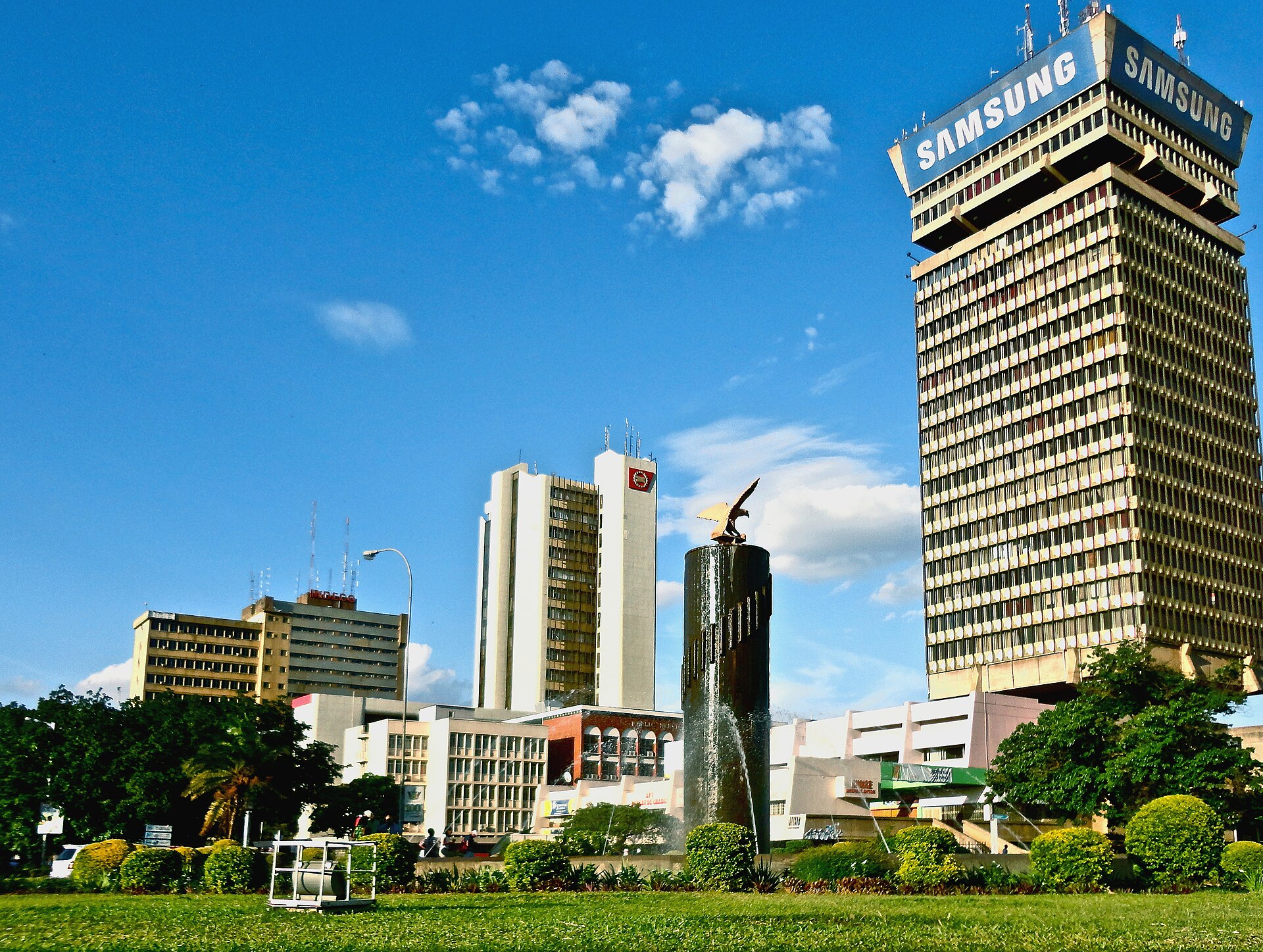
March in Zambia: Transitioning to Drier Conditions
Conditional: Book if you prefer fewer crowds and can handle some rain.
March marks the transition from the wet season to drier conditions, with the landscape still lush but beginning to dry out. Average temperatures remain around 24°C, with about 20 rain days. Wildlife viewing improves slightly as animals start to move more freely, but conditions can still be challenging. Compared to February, March sees a gradual increase in tourist numbers, but prices remain low. Many travelers misjudge the weather, thinking it will be completely dry. Booking in advance is recommended to secure the best lodges.
Was das für dich bedeutet
- Wildlife viewing improves, but expect some rain during your safari.
- Fewer tourists mean a more intimate experience at popular sites.
- Prices remain low, but availability may start to tighten.
Veranstaltungen & Kultur
- Zambia’s Independence Day on March 12 may affect local celebrations and travel plans.
Profi-Tipp
Consider visiting South Luangwa National Park for improved wildlife visibility as the month progresses.
April in Zambia: High Humidity and Unpredictable Rains
Skip unless you are prepared for high humidity and potential travel disruptions.
April in Zambia is marked by high humidity levels and unpredictable rains, making travel challenging. Temperatures remain around 24°C, but the humidity can feel oppressive. This month typically sees about 18 rain days, which can disrupt wildlife safaris and outdoor activities. Compared to March, April experiences a slight increase in tourist numbers, but many travelers find the conditions uncomfortable. The common mistake is underestimating the impact of humidity on travel plans. Booking accommodations with good amenities is essential for comfort.
Was das für dich bedeutet
- Wildlife viewing is difficult; many animals are less active in humid conditions.
- Travel may be delayed due to rain and muddy roads.
- Expect moderate prices, but availability may be limited.
Veranstaltungen & Kultur
- Easter celebrations in April may affect local travel and accommodation availability.
Profi-Tipp
Stay in lodges with good facilities to cope with the humidity and rain.
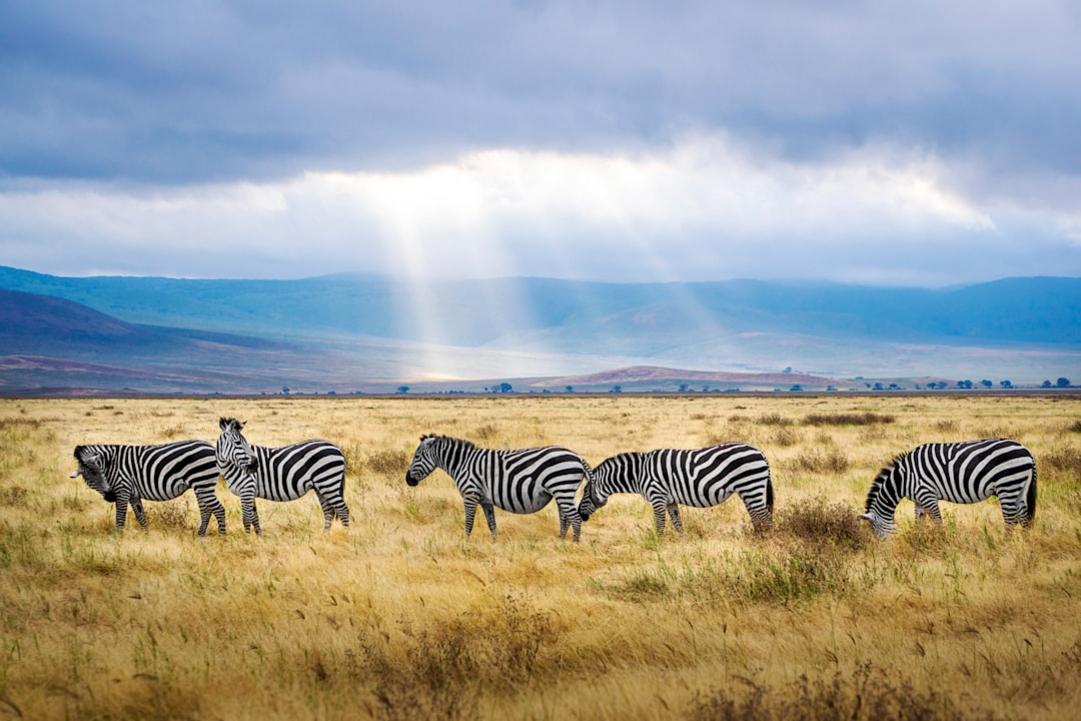
May in Zambia: Drying Out but Still Humid
Conditional: Book if you prefer lower prices and can handle lingering humidity.
May marks the beginning of the dry season, with conditions improving but still humid. Average temperatures hover around 24°C, with about 15 rain days. Wildlife viewing starts to improve as animals become more active, but some areas may still be muddy. Compared to April, May sees a decrease in tourist numbers and prices, making it a budget-friendly option. Many travelers overlook the lingering humidity, which can still affect comfort levels. Booking early is advisable to secure the best lodges.
Was das für dich bedeutet
- Wildlife viewing improves as animals become more active with drier conditions.
- Lower prices make this a good time for budget-conscious travelers.
- Expect some lingering humidity, which may affect comfort.
Veranstaltungen & Kultur
- The end of the school year in some countries may lead to increased family travel.
Profi-Tipp
Book lodges in advance to secure the best options before peak season begins.
June in Zambia: Ideal Conditions for Walking Safaris
Book this month if you seek optimal wildlife viewing and walking safaris.
June is the start of the dry season, offering ideal conditions for walking safaris and wildlife viewing. Temperatures rise to around 29°C with only 5 rain days expected. The dry conditions lead to peak wildlife visibility as animals congregate around water sources. Compared to May, June sees an increase in tourist numbers and prices, but the experience is worth the investment. Many travelers underestimate the benefits of visiting during this month, missing out on excellent safari opportunities. Secure your lodge bookings early to avoid disappointment.
Was das für dich bedeutet
- Wildlife visibility peaks as animals gather near water sources.
- Ideal conditions for walking safaris make this a prime time to visit.
- Expect higher prices and crowded camps; book early.
Profi-Tipp
Consider guided walking safaris in South Luangwa for a unique experience this month.
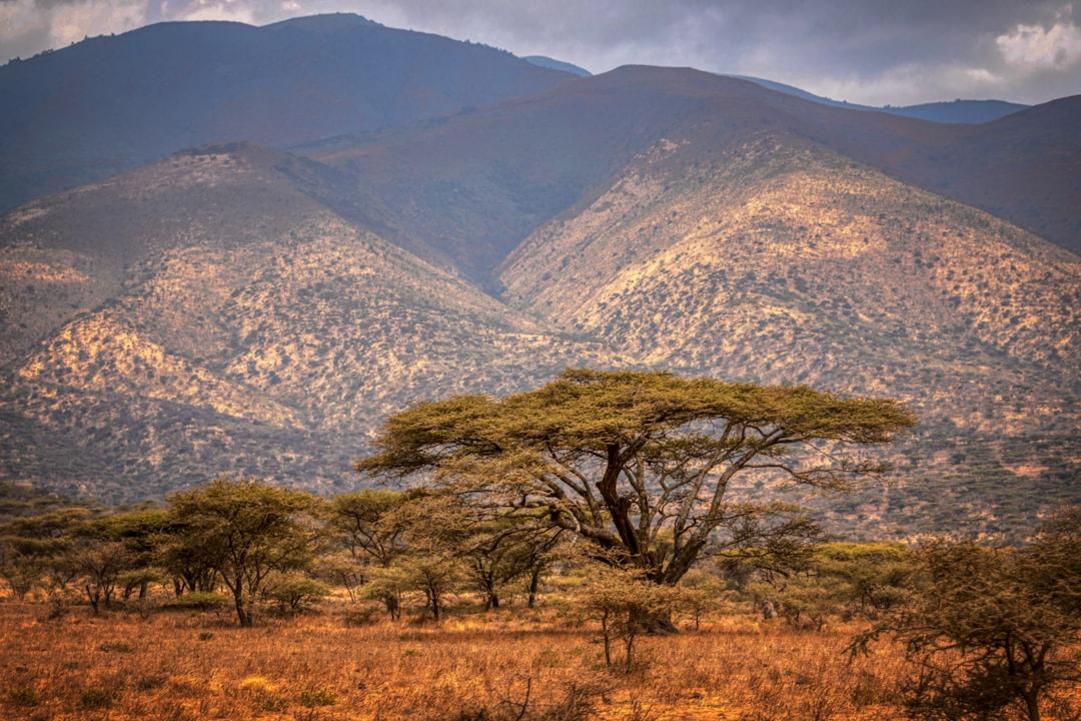
July in Zambia: Peak Safari Season
Book now for optimal wildlife viewing and dry conditions.
July marks the height of the dry season in Zambia, with average temperatures around 24°C and only 5 rain days. This is the ideal time for walking safaris as wildlife congregates around water sources, enhancing visibility. However, expect higher prices and crowded camps, particularly as this month progresses. The influx of tourists can lead to fully booked lodges, so early reservations are essential. Take advantage of the vibrant wildlife activity, but be prepared for the peak pricing.
Was das für dich bedeutet
- Wildlife visibility is at its best, making for excellent safari experiences.
- Book accommodations well in advance to secure your preferred lodges.
- Expect prices to be approximately 30% higher compared to the shoulder season.
Profi-Tipp
Consider guided walking safaris for a more immersive experience.
August in Zambia: Continued Safari Success
Continue your safari adventure; conditions remain excellent.
August continues the dry season with similar conditions to July, maintaining average temperatures around 24°C and minimal rain. Wildlife remains highly visible, making it a prime month for safaris. However, the popularity of this period means that prices remain elevated and lodges fill quickly. While the experience is rewarding, be aware that the crowds can detract from the tranquility of the wilderness. Secure your bookings early to avoid disappointment.
Was das für dich bedeutet
- Wildlife sightings remain exceptional, especially for walking safaris.
- Expect continued high prices and crowded camps.
- Plan for potential wait times at popular viewing spots.
Profi-Tipp
Explore lesser-known parks for a quieter experience.
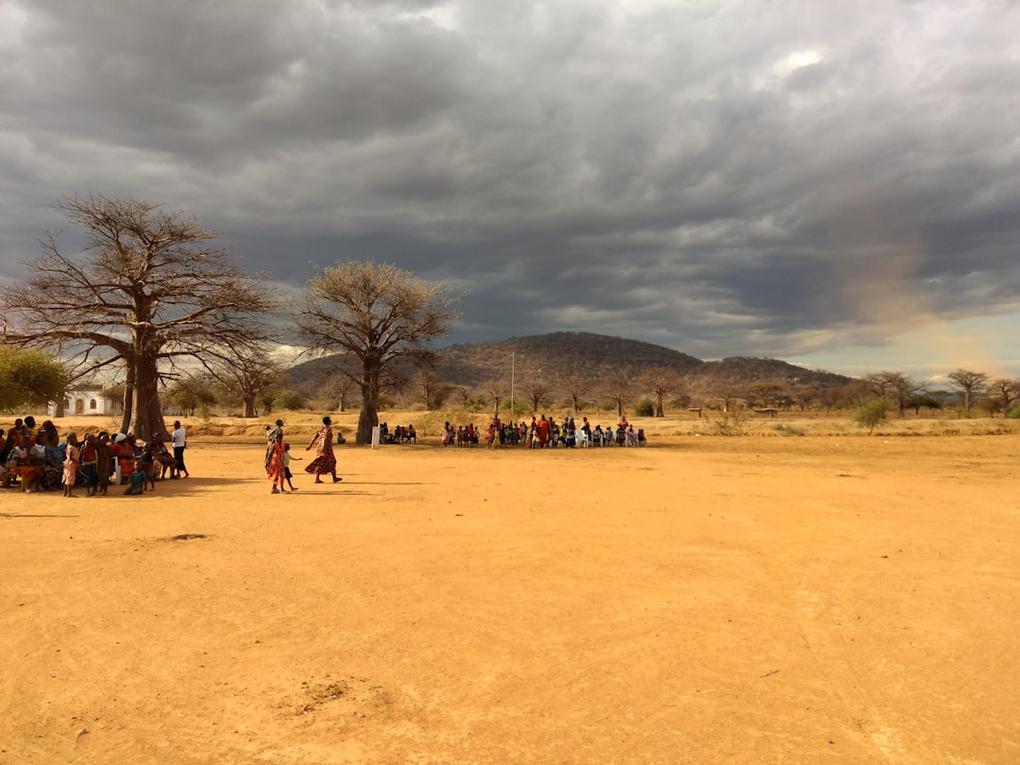
September in Zambia: Transition to Peak Crowds
Visit for great wildlife experiences, but prepare for peak prices.
September sees temperatures rise slightly to around 27°C with still very few rain days. This month is characterized by excellent wildlife visibility as animals remain concentrated near water sources. However, this is also when prices peak, and camps can be fully booked. The combination of high demand and limited availability can make planning challenging. If you choose to visit, ensure you have your accommodations secured well in advance.
Was das für dich bedeutet
- Wildlife viewing remains strong, particularly in the Luangwa Valley.
- Expect prices to peak, with some lodges charging up to 30% more.
- Book early to secure your spot in popular lodges.
Profi-Tipp
Consider visiting during the first half of the month for slightly fewer crowds.
October in Zambia: End of the Dry Season
Visit for lower prices, but expect some camp closures.
October marks the transition into the wet season, with temperatures rising to around 29°C and only a few rain days. While wildlife visibility remains good, many camps begin to close for the season, limiting accommodation options. Prices typically drop as the month progresses, making it a more budget-friendly time to visit. However, the trade-off is that some safari experiences may be compromised due to reduced camp availability. Plan your itinerary carefully to maximize your experience.
Was das für dich bedeutet
- Wildlife viewing is still decent, but expect some camps to be closed.
- Prices can be around 20% lower compared to peak season.
- Check camp availability before planning your trip.
Veranstaltungen & Kultur
- Zambia’s Independence Day on October 24th may offer local festivities.
Profi-Tipp
Focus on areas with operational camps for the best experience.
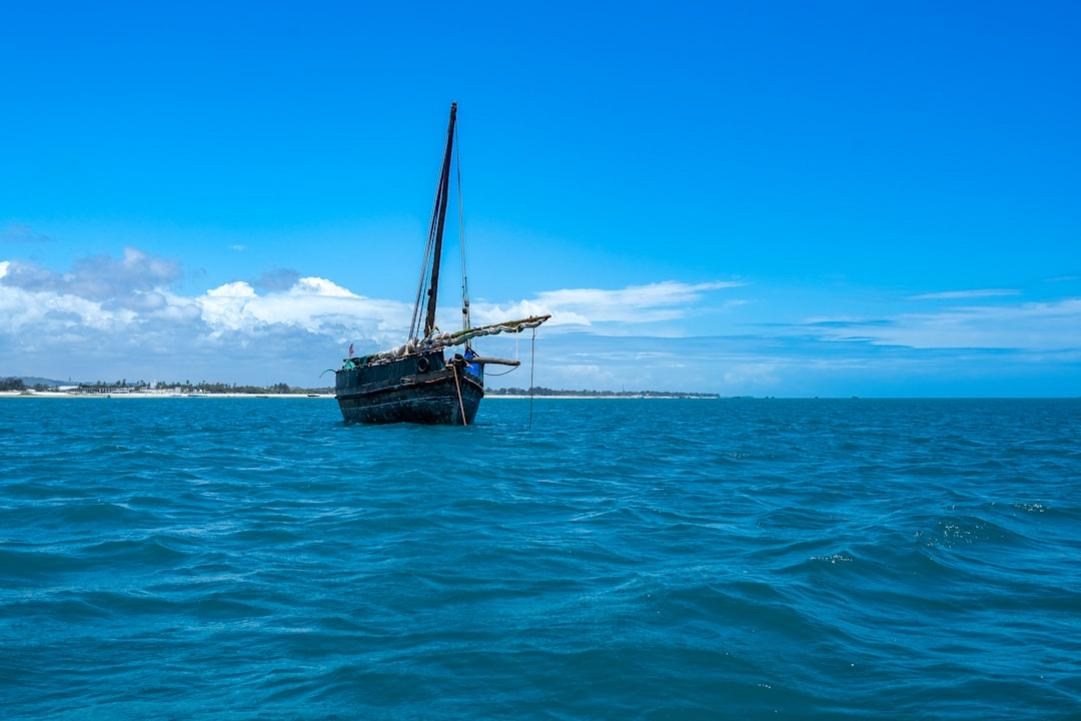
November in Zambia: The Emerald Season Begins
Choose November for lower prices, but be ready for rain.
November ushers in the emerald season with average temperatures around 27°C and about 12 rain days. While prices are approximately 20% lower than peak season, many camps close after the rains, limiting options for accommodation. Wildlife becomes more dispersed, making tracking on foot more challenging. This month is ideal for budget travelers who appreciate lush landscapes and fewer crowds, but be prepared for the unpredictability of the weather.
Was das für dich bedeutet
- Expect lower prices, but limited camp availability.
- Wildlife viewing may be more challenging due to animal dispersion.
- Plan for potential rain disruptions in your itinerary.
Profi-Tipp
Consider urban experiences in Lusaka for cultural insights.
December in Zambia: Start of the Rainy Season
Avoid December unless you are prepared for heavy rains.
December marks the beginning of the rainy season, with average temperatures around 27°C and frequent rain days. This month can disrupt travel plans significantly, making wildlife viewing difficult as animals seek shelter. While prices may be lower, the heavy rains can lead to poor road conditions and limited access to remote areas. If you choose to travel in December, focus on urban areas like Lusaka for cultural experiences rather than wildlife safaris.
Was das für dich bedeutet
- Wildlife viewing is severely limited due to heavy rains.
- Road conditions may hinder travel between locations.
- Expect lower prices, but limited availability in popular lodges.
Veranstaltungen & Kultur
- Christmas celebrations in urban areas may offer local festivities.
Profi-Tipp
Focus on cultural experiences in cities rather than safaris.
What Makes Zambia’s Climate Different
- The Luangwa Valley dries earlier than other regions, extending the walking safari season by several weeks, making June ideal for wildlife viewing.
- Zambia’s tropical savanna climate results in distinct wet and dry seasons, with heavy rains from January to March disrupting travel and limiting access to remote areas.
- Many camps close after November due to the onset of the rainy season, which can limit accommodation options for travelers seeking to visit during this time.
- High humidity and unpredictable rains from April to May can significantly affect outdoor activities, making these months less favorable for safaris.
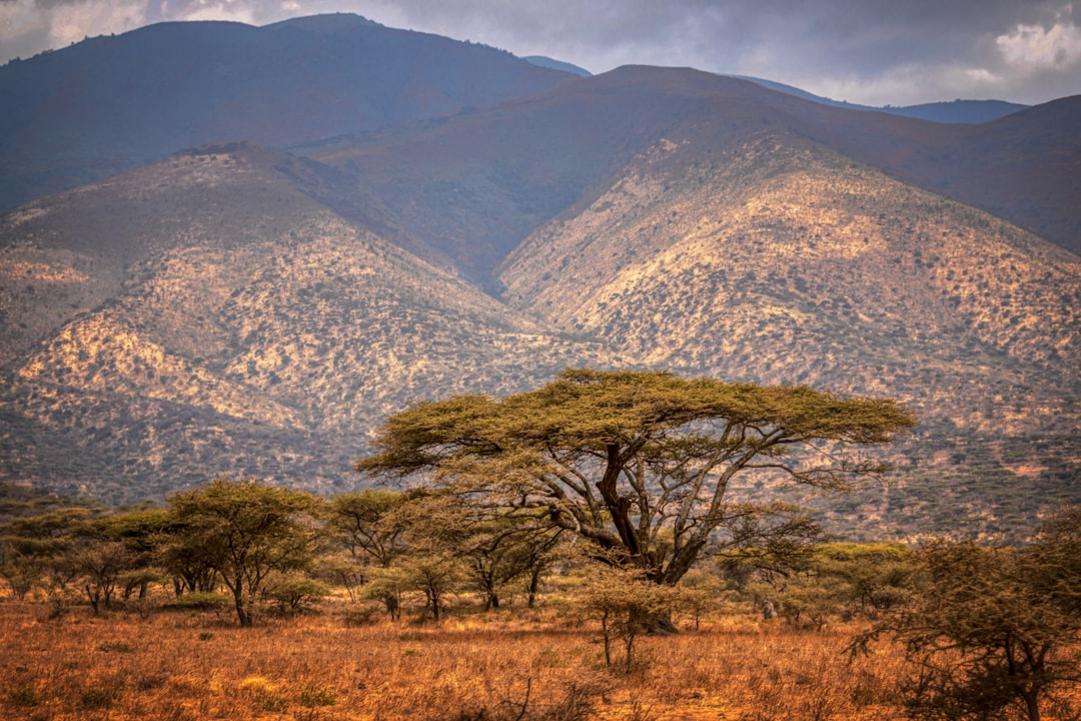
Who Should Go When
The Walking Safari Enthusiast
June to early July is perfect for immersive walking safaris with excellent wildlife visibility.
- Experience the best wildlife sightings in the Luangwa Valley during June, with only 5 rain days.
- Book lodges early, as prices rise by ~30% in July.
- Enjoy cooler temperatures around 29°C for comfortable hiking.
- Solo female travelers will find full lodge services and safety during this peak season.
The Budget Explorer
November offers lower prices and fewer tourists, ideal for budget-conscious travelers.
- Visit in November for prices approximately 20% lower than peak season.
- Expect lush landscapes with 12 rain days, but be aware that some camps may close.
- Wildlife may be more dispersed, making tracking on foot more challenging.
- Book accommodations in advance to secure the best deals during this shoulder season.
The Off-Peak Adventurer
Avoid the peak months of July to September for a quieter experience in the bush.
- Travel in October when prices start to drop, but wildlife visibility remains good.
- Expect warm temperatures around 32°C as the dry season ends.
- Fewer crowds mean more personalized safari experiences and better chances for unique wildlife encounters.
- Plan for potential camp closures in November, as many lodges shut down for the rainy season.
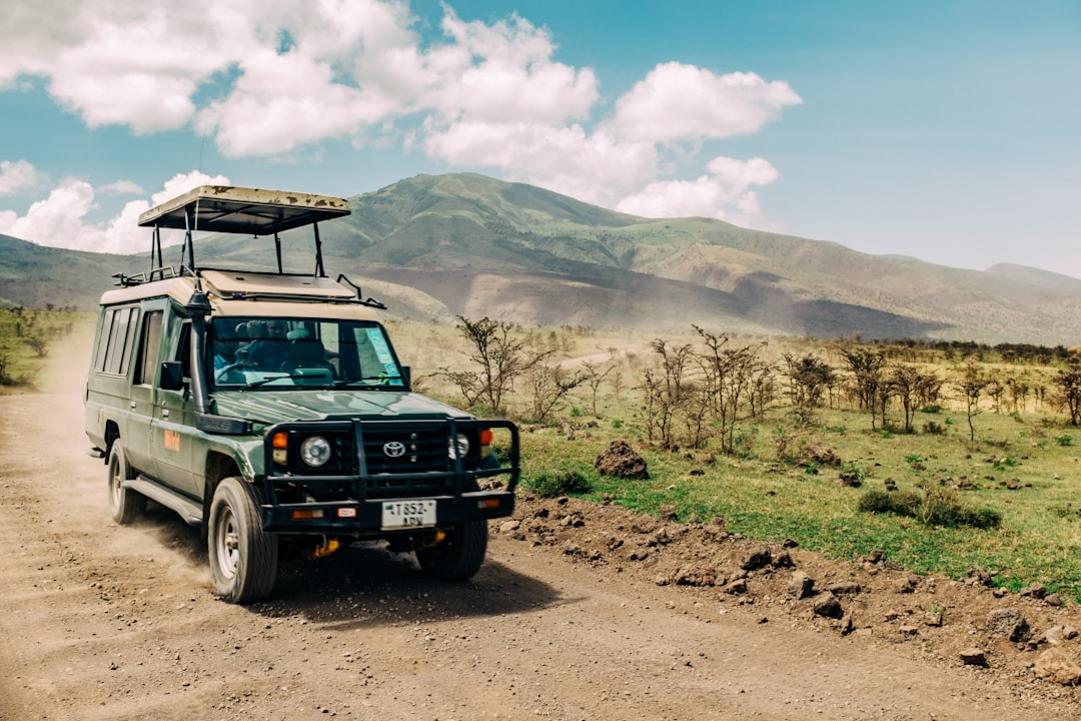
Insider-Tipp
Book your walking safari in the Luangwa Valley from mid-June to early July. This period offers the best wildlife visibility as animals gather near water sources, and prices are still lower than in peak July and August.
Frequently Asked Questions
1What is the best month for walking safaris in Zambia?
June is the best month for walking safaris, with only 5 rain days and optimal wildlife visibility as animals gather near water sources.
2How much can I save by visiting Zambia in November?
Traveling in November can save you approximately 20% compared to peak season prices in July and August.
3What are the risks of visiting Zambia in January?
January poses risks with heavy rains and 22 rain days, which can disrupt travel plans and limit access to remote areas.
4Does the climate vary across Zambia?
Yes, the Luangwa Valley dries earlier than other regions, allowing for extended safari opportunities, while other areas may still experience rains.
5When should I avoid traveling to Zambia?
Avoid April and May due to high humidity and unpredictable rains, which can limit outdoor activities and safari experiences.
6Are there any camp closures during the rainy season?
Many camps close after November due to the onset of the rainy season, limiting accommodation options for travelers.
Bildnachweise: Foto: Matthew Grollnek / Wikimedia Commons, CC BY-SA 4.0