


Wenn du in Portugal abseits der bekannten Touristenpfade unterwegs bist, spürst du die Ruhe und das ursprüngliche Leben, das hier noch besteht. Die Wege werden schmaler, die Landschaft rauer, und die Geräusche der Natur treten in den Vordergrund. Hier zählt jeder Kilometer, den du auf unbefestigten Straßen zurücklegst, und jede Begegnung mit Einheimischen, die ihre Traditionen bewahren.
In den Schist Villages und im Coa Valley findest du eine Welt, die kaum verändert scheint. Von den zerklüfteten Felsen bis zu den versteckten Höhlenmalereien, die Zeugen vergangener Kulturen sind, bietet diese Region eine tiefe Verbindung zur Geschichte und Natur Portugals. Hier kannst du in kleinen Dörfern verweilen, die noch immer von Handwerk und alten Bräuchen leben, und die wilde Schönheit des Landes hautnah erleben.
Off-the-beaten-path in Portugal bedeutet, abgelegene Orte wie die Schist Villages oder die Coa Valley zu erkunden, wo Natur und Geschichte aufeinandertreffen. Wenn du Ruhe suchst, findest du sie hier.
- Die Schist Villages bieten authentisches Leben in traditionell gebauter Architektur, abseits der Touristenmassen.
- Das Coa Valley beherbergt beeindruckende prähistorische Felskunst, die nur wenige Besucher kennen.
- Versteckte Wege und kleine Dörfer ermöglichen eine tiefere Verbindung zur portugiesischen Kultur und Natur.
Alle Orte auf der interaktiven Karte sehen
Nach Land filtern, in jeden Pin hineinzoomen und die Route mit dem Pack Lightly Länderkarten-Tool planen.
Warum Portugal abseits der Massen entdecken?
Portugal zeigt sein authentisches Gesicht, wenn du die bekannten Touristenpfade verlässt. Hier verbinden sich unberührte Natur mit jahrhundertealter Kultur, ideal für Entdecker, die das Original suchen.
- Die Schist Villages sind lebendige Zeugen traditioneller Baukunst und bieten Einblicke in das ländliche Portugal, das kaum verändert ist.
- Das Coa Valley ist berühmt für seine prähistorischen Felsmalereien, die nur wenigen bekannt sind und eine Reise in die Vergangenheit ermöglichen.
- Versteckte Pfade und kleine Dörfer in der Region erlauben eine authentische Erfahrung, weit weg vom Massentourismus und voller lokaler Geschichten.

Discover Portugal’s Hidden Depths: Schist Villages and Coa Valley Rock Art
This curated selection takes you beyond Portugal’s popular sights into the heart of its remote landscapes and ancient heritage. Explore the rugged beauty of the Schist Villages of the Aldeias do Xisto, delve into the prehistoric rock art of the Coa Valley, and experience the country’s lesser-known, authentic side. These spots reward travelers willing to venture inland and off the beaten path, combining natural ruggedness with centuries-old cultural treasures.

Pinhal de Leiria
Arriving at Pinhal de Leiria, the scent of pine fills the air as sunlight filters through the dense canopy. This vast forested area offers a remote escape into Portugal’s inland wilderness, where trails wind through towering trees and quiet streams. It’s a place for those seeking solitude and a connection to nature, far from urban noise. The terrain demands good footwear and a map, especially if you venture off the main paths. While the forest is accessible by car from nearby towns, the best experience comes with a 4×4 vehicle, particularly in wetter months when some roads can become muddy. Visiting outside peak summer months reduces the risk of heat exhaustion and crowds. No facilities are nearby, so pack water and essentials. This spot suits adventurous hikers and outdoor enthusiasts who want to immerse themselves in Portugal’s less-trodden natural landscapes. It’s ideal for a day trip or a quiet overnight stay in a remote cabin. For those interested in combining this with other wilderness sites, the nearby mountain ranges offer additional rugged terrain. Be prepared for limited cell coverage and plan your route carefully. If you seek a true wilderness experience, Pinhal de Leiria delivers, but it’s not suited for casual visitors or those unprepared for outdoor conditions. Expect a rugged, physically demanding outing that rewards with solitude and pristine scenery. If weather turns bad, have a backup plan to visit a nearby village or return to a more accessible base.
Aldeias do Xisto
The slate-roofed houses of the Aldeias do Xisto cluster along narrow, winding streets, each village a testament to Portugal’s traditional craftsmanship. These villages, part of the Schist Villages network, are perched on hillsides or nestled in lush valleys, offering a glimpse into a rural way of life largely unchanged for centuries. Visiting here means walking through cobbled streets, exploring artisan workshops, and tasting local delicacies. The effort to reach these villages is justified by their authenticity and scenic beauty, especially in spring and early autumn when the landscape is at its most vibrant. Most villages are accessible by narrow country roads, often requiring a small car or even a motorcycle. Some villages have limited parking, so plan accordingly. Most visitors spend a day or two exploring multiple villages, but staying overnight in a family-run guesthouse enhances the experience. Be aware that some paths involve steep climbs and uneven surfaces, so comfortable footwear is essential. These villages are perfect for travelers interested in heritage, craft, and rural life, but less so for those seeking nightlife or modern amenities. Combining a visit here with a drive through the surrounding countryside offers a full immersion into Portugal’s interior. Expect to encounter few tourists outside the peak seasons, making it a peaceful retreat. Prepare for limited Wi-Fi and basic facilities, and respect local customs and private property. Aldeias do Xisto reward those who seek genuine cultural encounters and are willing to navigate narrow roads and rustic paths.
Côa Valley Rock Art
Standing amidst the rugged cliffs of the Côa Valley, the ancient rock carvings tell stories thousands of years old. This UNESCO World Heritage site is a rare window into prehistoric life, with petroglyphs etched into the sandstone by early hunter-gatherers. Visiting the open-air galleries requires a short hike along designated paths, but the effort is rewarded by the silent witness of human history. The best time to visit is spring or fall when the weather is mild and the site is less crowded. Access is straightforward from nearby towns like Vila Nova de Foz Côa, with well-marked routes leading to the visitor center and trailheads. The site is open year-round, but in winter, some outdoor paths may be less accessible due to weather. Allow at least half a day to explore the main panels and visit the interpretive center. The terrain is flat but exposed, so bring sun protection and water. This spot is ideal for history buffs and those interested in ancient art, but it’s less suited for travelers seeking modern comforts. Combine your visit with a walk along the river or a stay in a local guesthouse in Vila Nova de Foz Côa. The site’s remote location means few crowds, especially outside peak summer months. Respect the fragile carvings by staying on designated paths and avoiding touching the art. The Côa Valley offers a profound connection to Portugal’s deep past, making it a must-see for curious explorers willing to venture inland.
Mertola
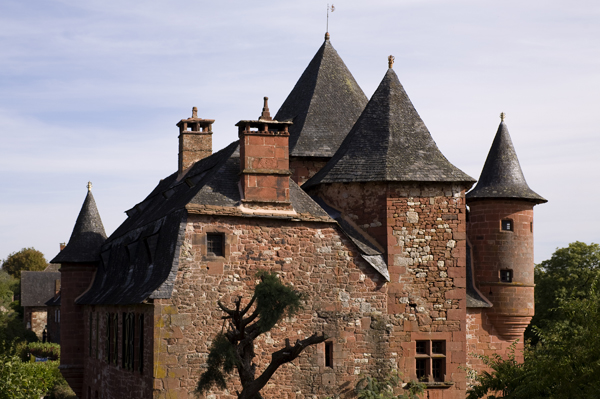
Perched on the banks of the Guadiana River, Mertola’s ancient walls and narrow streets whisper stories of centuries past. This fortified town, with its Moorish castle and Roman ruins, offers a layered history that few visitors explore. The town’s remote location in the Alentejo makes it a quiet retreat, especially outside the busy summer months. Walking through Mertola’s labyrinth of alleys reveals centuries-old architecture, small museums, and a peaceful atmosphere. Reaching Mertola involves a scenic drive along rural roads from the nearest major city, Beja, with a journey time of about two hours. The town is best visited in spring or autumn when the weather is mild and the crowds are sparse. Most visitors spend a day exploring the castle, the old town, and the river promenade. Accommodation options are limited but authentic, often family-run guesthouses. The terrain is mostly flat, but some cobbled streets require careful footing. This spot suits history lovers and those seeking tranquility away from tourist hotspots. Combine Mertola with a visit to the nearby rock art sites or the scenic Alentejo countryside. Expect limited facilities and basic amenities, so plan accordingly. Respect local customs and enjoy the slow pace of this hidden gem, which offers a genuine taste of Portugal’s layered past and rural beauty.


Combining Portugal’s Offbeat Pins into an Authentic Trip
Routing through Portugal’s lesser-known regions requires careful planning due to varied terrain, limited infrastructure, and seasonal access. The inland and Atlantic pins demand different approaches: some are remote and require 4×4 vehicles, while others are best visited during specific festivals or market days. Consider your vehicle, timing, and whether to include border crossings for a broader experience.
Alentejo Wilderness and Coa Valley Heritage Loop 7-10 days
Start in the remote Alentejo region, exploring the rugged terrain around the pins in the highlands and valleys. Use a 4×4 vehicle to navigate the rough roads leading to the wilderness pins, especially during wetter months when some routes wash out. Afterward, head northeast to the Coa Valley, visiting rock art sites and small villages. This route suits adventurous travelers with a focus on terrain challenges and cultural sites, with the decision to include or skip certain remote pins based on vehicle capability and weather conditions.
Atlantic Coast and Hidden Village Circuit 5-8 days
Begin along the Atlantic coast, visiting fishing villages and islands accessible by seasonal ferries, then move inland to the lesser-known villages in the interior. Ferry schedules are crucial; check seasonal windows for island-hopping, especially around the Berlengas archipelago. Use local guides for remote coastal spots, and plan for possible weather delays. This itinerary emphasizes water logistics and timing, ideal for travelers seeking quiet beaches and coastal culture, with flexibility for weather-dependent boat trips.
Kombinieren mit
Extend your journey across Portugal’s borders into Spain’s Extremadura region, crossing at the Badajoz border. This allows exploration of additional rock art sites and rural villages, creating a cross-border cultural route that enhances the offbeat experience without significant overland detours.
Practical Realities for Offbeat Travel in Portugal
Traveling to Portugal’s remote pins involves specific logistical challenges, especially in wilderness and coastal regions. Limited infrastructure, seasonal access, and water-based transport require careful preparation. Understanding these realities ensures a smoother journey and better safety planning in less-traveled areas.
Road closures and seasonal access
Many remote pins in the Alentejo and interior valleys rely on unpaved or poorly maintained roads. During winter and spring, some routes wash out or become impassable without a 4×4. Check local conditions before setting out, especially if visiting in the rainy season, and plan alternative routes or accommodations in advance.
Ferry-dependent reach
Access to islands like the Berlengas archipelago depends on seasonal ferry schedules, which may be limited outside peak months. Confirm departure times early, and prepare for possible cancellations due to weather. Carry extra supplies if planning multi-day stays on islands, as services are sparse.
Permits and timing windows
Some heritage sites, especially rock art in the Coa Valley, require permits for access. Visit during designated hours and avoid peak tourist times to preserve sites and ensure a quiet experience. Local guides can assist with permits and contextual information, especially in culturally sensitive areas.
Vehicle requirements
Remote regions in Alentejo and the interior demand a reliable, high-clearance vehicle, preferably 4×4, especially during wet months. Rental companies may restrict off-road driving; verify coverage and restrictions beforehand. Do not attempt the roughest routes without proper gear and local advice.
Offbeat Portugal Travel Questions
1How does this off-beat loop differ from visiting Portugal’s main highlights?
This route focuses on lesser-known villages, rock art sites, and remote coastal spots, avoiding crowded tourist areas like Lisbon or Porto. It offers a more authentic, slow-paced experience with cultural and natural authenticity, but requires more planning around access and infrastructure.
2Is visiting the Coa Valley rock art worth the detour if I only have 5 days?
Yes, if you are interested in prehistoric heritage and outdoor exploration. The sites are accessible with a guided tour or permit, but expect to spend a day traveling and visiting. For limited time, prioritize nearby villages or combine with a coastal visit for variety.
3Can I do these pins solo or with kids, and what should I consider?
Solo travel is feasible, especially if experienced with remote driving. With kids, consider the rough roads and seasonal ferry schedules. Pack supplies and plan accommodations in advance. Some coastal and village pins are suitable for families, but avoid the most rugged routes with young children.
4What vehicle or gear do I need that I can’t rent on the main tourist trail?
A high-clearance, 4×4 vehicle is essential for the interior and wilderness pins, especially during wet months. Standard rental cars may not handle rough roads. Carry GPS, extra fuel, and emergency supplies, as services are sparse in remote areas.
5When is the best time to visit these remote pins to avoid weather issues?
Late spring (May-June) and early autumn (September-October) offer the best weather for remote driving and outdoor exploration. Avoid winter and early spring, when roads may be washed out and ferries limited. Check local conditions before planning your trip.
Bildnachweise: Foto: Mike McBey / Wikimedia Commons, CC BY 2.0 · Foto: CEphoto, Uwe Aranas / Wikimedia Commons, CC BY-SA 3.0 · Foto: PMRMaeyaert / Wikimedia Commons, CC BY-SA 4.0 · Foto: © Ralph Hammann - Wikimedia Commons / Wikimedia Commons, CC BY-SA 4.0