


Visit Namibia between May and October for dry weather, cooler nights, and optimal wildlife viewing; avoid January due to high heat and heavy rains.
Namibia challenges typical expectations: the dry season from May to October concentrates wildlife around waterholes and cools desert nights to 10°C in August, the best month. Conversely, January brings 35°C daytime heat and 80mm of rain, flooding pans and complicating travel. Which months balance wildlife, weather, and accessibility best?
Namibia’s climate is shaped by its arid desert zones, latitude near the Tropic of Capricorn, and the seasonal shift of the Intertropical Convergence Zone. Unlike coastal Namibia, where the cold Benguela Current moderates temperatures, inland regions face extreme heat and dryness. The north and central highlands differ from the Namib Desert in rainfall and temperature patterns. Timing matters more here than in neighboring countries because the short rainy season disrupts road access and wildlife visibility.
This guide ranks every month by temperature, rainfall, and wildlife conditions using verified climate data. It identifies trap months with flooding or extreme heat and highlights the best windows for different traveler profiles. The verdict section offers clear choices between peak dry season and shoulder months, enabling informed planning.
The Bottom Line
For adventure travelers prioritizing wildlife and reliable roads, June to September is best despite higher costs. May and October offer a tradeoff with moderate rain and savings, suitable for flexible itineraries.
Länder monatlich vergleichen
Explore the best travel times for multiple countries month-by-month with our comprehensive world map tool at pack-lightly.com.
Quick Facts
- August: 24°C day, 10°C night, <5mm rain — best for wildlife and cool nights
- January: 35°C day, 21°C night, 80mm rain, floods disrupt travel and wildlife spotting
- June-September: peak crowds and prices rise 15-25%, book early to secure lodges
- May & October: prices drop ~15-20%, rain increases but remains manageable for road trips
- Namib Desert nights drop below 10°C in dry season, requiring warm gear
- Solo female travelers find June-September safest for predictable roads and active lodges
- October hosts the annual Windhoek Oktoberfest, increasing local crowding and prices
- Northern regions receive more rain in summer; central highlands stay drier, favoring timing choices
Monthly Weather Overview
| Month | Rating | Day Temp | Night Temp | Sun Hours | Rainfall | Humidity | UV | Crowds |
|---|---|---|---|---|---|---|---|---|
| January | 2★ | 35°C | 21°C | 220 | 80mm | 75% | 11 | Low |
| February | 2★ | 34°C | 20°C | 230 | 70mm | 72% | 10 | Low |
| March | 3★ | 32°C | 18°C | 250 | 40mm | 68% | 10 | Low |
| April | 4★ | 29°C | 16°C | 270 | 20mm | 60% | 9 | Medium |
| May | 4★ | 27°C | 13°C | 300 | 15mm | 55% | 8 | Medium |
| June | 5★ | 24°C | 10°C | 320 | 5mm | 50% | 7 | High |
| July | 5★ | 24°C | 10°C | 330 | 3mm | 48% | 7 | Peak |
| August | 5★ | 24°C | 10°C | 330 | 2mm | 45% | 7 | Peak |
| September | 5★ | 27°C | 13°C | 310 | 5mm | 50% | 8 | High |
| October | 4★ | 29°C | 16°C | 290 | 25mm | 60% | 9 | Medium |
| November | 3★ | 32°C | 18°C | 260 | 40mm | 65% | 10 | Medium |
| December | 3★ | 33°C | 20°C | 240 | 60mm | 70% | 11 | Low |
Beste Reisezeit
Okay
low Andrang · mid
Okay
low Andrang · mid
Vermeiden
low Andrang · mid
Vermeiden
medium Andrang · mid
Vermeiden
medium Andrang · budget
Ideal
high Andrang · premium
Ideal
high Andrang · premium
Ideal
high Andrang · premium
Ideal
medium Andrang · mid
Ideal
medium Andrang · mid
Okay
medium Andrang · mid
Okay
peak Andrang · premium
Okay
Vermeiden
Monat für Monat
January in Namibia: Flood Risks and High Heat
Skip unless you can handle extreme heat and potential travel disruptions.
January in Namibia is characterized by intense heat and the risk of flooding, particularly in the northern regions. Daytime temperatures soar to 35°C, while nights only cool to around 21°C. This weather can hinder wildlife safaris as animals disperse from water sources. Additionally, the heavy rainfall, averaging 80mm, can disrupt travel plans and make some roads impassable. Many travelers underestimate the impact of the rainy season, leading to frustration with canceled activities. Booking accommodations in advance is crucial during this month.
Was das für dich bedeutet
- Wildlife spotting is challenging due to dispersed animals.
- Road conditions may limit access to popular parks.
- Expect higher prices due to limited availability.
Profi-Tipp
Consider visiting the southern regions for drier conditions and better wildlife viewing opportunities.
February in Namibia: Continued Heat and Rain
Skip unless you are prepared for heavy rains and high temperatures.
February continues the trend of high temperatures and increased rainfall across Namibia. The landscape remains lush, but daytime highs still reach 35°C, with nights around 21°C. The rain, averaging 80mm, can lead to flooding, particularly affecting travel routes and wildlife visibility. Many travelers overlook the challenges posed by the rainy season, which can lead to missed opportunities for safaris. Booking accommodations early is essential to secure your stay during this unpredictable month.
Was das für dich bedeutet
- Wildlife sightings remain limited as animals seek shelter.
- Travel routes may be affected by flooding.
- Prices can be higher due to limited availability.
Profi-Tipp
Explore the central highlands for drier conditions and better travel options.
March in Namibia: Transitioning to Dry Season
Conditional: Visit if you can handle lingering rains and heat.
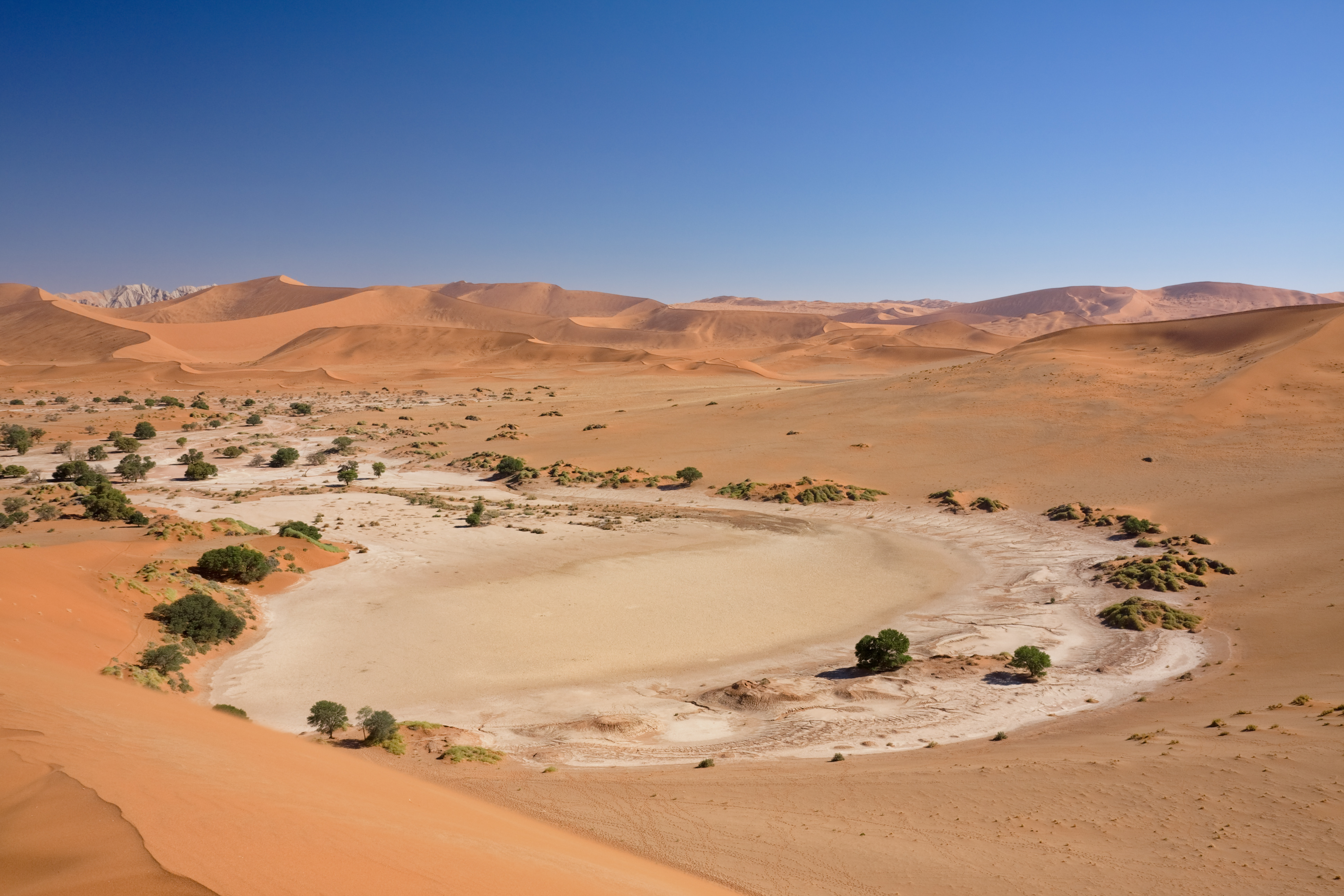
March marks the transition from the rainy season to the dry season in Namibia. The landscape is vibrant, but temperatures remain high, averaging 32°C during the day and dropping to 18°C at night. While rainfall begins to decrease, averaging around 50mm, some areas may still experience localized flooding. This month offers a unique opportunity for wildlife viewing as animals start to congregate around remaining water sources. However, many travelers misjudge the weather, leading to unexpected challenges. Booking accommodations in advance is advisable to secure your preferred options.
Was das für dich bedeutet
- Wildlife viewing improves as animals gather at waterholes.
- Some roads may still be affected by residual flooding.
- Expect moderate prices as demand begins to rise.
Profi-Tipp
Consider visiting Etosha National Park for improved wildlife sightings as the rains taper off.
April in Namibia: Warm Days and Fewer Tourists
Book this month for lower prices and pleasant weather.
April in Namibia offers warm days and cooler nights, making it an appealing time for travel. Daytime temperatures average around 29°C, while nights drop to about 16°C. Rainfall decreases significantly, averaging 30mm, allowing for better road conditions and wildlife visibility. This month sees fewer tourists compared to the peak season, resulting in lower prices and more flexible booking options. Many travelers overlook April, missing out on the opportunity for a more relaxed experience. Booking accommodations early is still recommended to secure your stay.
Was das für dich bedeutet
- Wildlife viewing is excellent with fewer crowds.
- Road conditions are generally good for travel.
- Prices are lower compared to peak season.
Veranstaltungen & Kultur
- April hosts the Easter holiday, which may affect accommodation availability.
Profi-Tipp
Plan your itinerary around the Easter holiday to avoid crowded accommodations.
May in Namibia: Ideal for Wildlife and Savings
Book this month for wildlife viewing and lower prices.
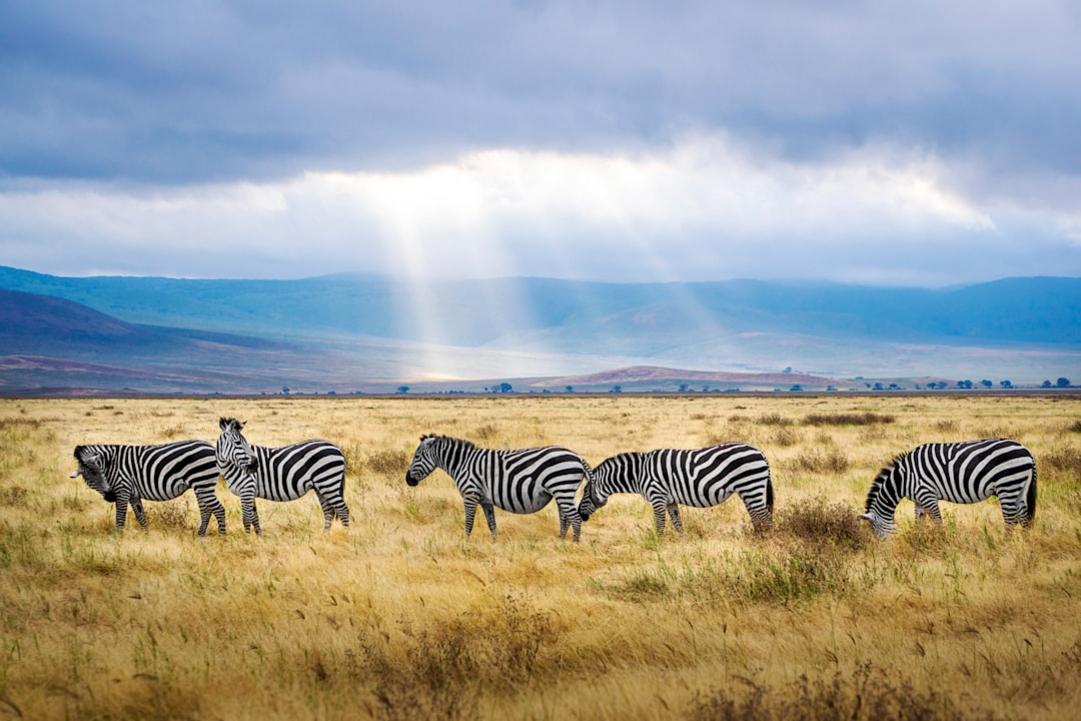
May is an excellent month to visit Namibia, offering warm days and cool nights. Daytime temperatures average around 27°C, while nights drop to 13°C. Rainfall remains manageable at about 20mm, ensuring that roads are mostly passable and wildlife is more visible as animals gather at waterholes. This month sees a drop in prices, approximately 15-20% lower than peak season, making it a great time for budget-conscious travelers. Many overlook May, thinking it is too rainy, but it provides a perfect balance of weather and cost. Booking accommodations early is advisable to secure the best options.
Was das für dich bedeutet
- Wildlife sightings improve as animals congregate at water sources.
- Lower prices allow for more flexible travel plans.
- Road conditions are generally good for exploring.
Profi-Tipp
Consider visiting the Skeleton Coast for stunning landscapes and fewer tourists.
June in Namibia: Peak Dry Season Begins
Book this month for optimal wildlife viewing and reliable travel conditions.
June marks the beginning of the peak dry season in Namibia, characterized by cooler temperatures and excellent wildlife visibility. Daytime highs average around 24°C, while nights can drop to 10°C. Rainfall is minimal, typically under 10mm, ensuring that roads are in good condition for travel. This month sees an influx of tourists, leading to higher prices, approximately 15-25% more than in May. Many travelers underestimate the need to book accommodations well in advance, risking sold-out lodges. Secure your stay early to enjoy the best of Namibia.
Was das für dich bedeutet
- Wildlife viewing is at its best with animals concentrated at waterholes.
- Expect higher prices and crowded accommodations.
- Road conditions are optimal for travel.
Profi-Tipp
Book lodges at least three months in advance to secure your preferred options.
July in Namibia: Peak Wildlife Viewing
July is ideal for wildlife enthusiasts seeking cool temperatures and active animals.
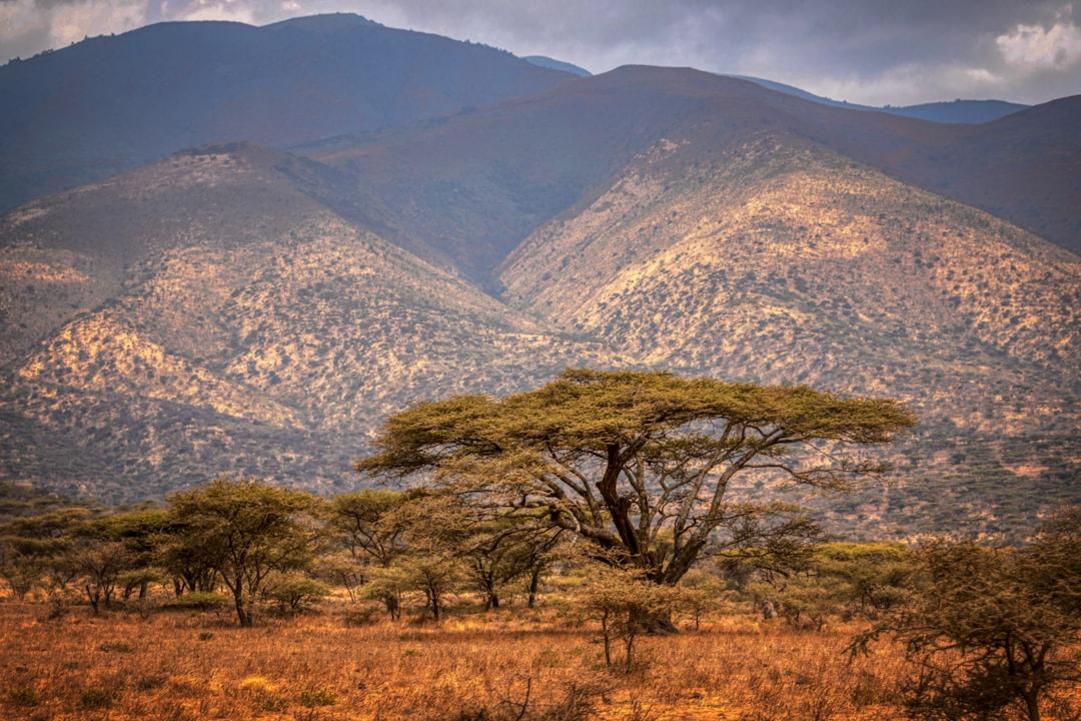
July in Namibia offers excellent wildlife viewing conditions, with daytime temperatures averaging 24°C and nights dropping to 10°C. The dry weather, with less than 5mm of rain, ensures that animals congregate around waterholes, making sightings more frequent. This month sees peak tourist crowds, leading to a 15-25% increase in accommodation prices. While the popularity can mean busy parks, the wildlife experience is unmatched. Book lodges well in advance to secure your spot.
Was das für dich bedeutet
- Expect high demand for accommodations and tours.
- Wildlife sightings are at their best due to concentrated animal activity.
- Road conditions are excellent for travel.
Profi-Tipp
Plan for early morning or late afternoon safaris for the best animal activity.
August in Namibia: Continued Wildlife Abundance
August remains a top choice for wildlife viewing, with slightly warmer days.
In August, temperatures rise slightly to around 24°C during the day, while nights remain cool at about 10°C. Rainfall is minimal, ensuring that wildlife remains concentrated at water sources. The peak tourist season continues, with prices still elevated by 15-25%. While crowds persist, the wildlife experience is rewarding. Secure accommodations early to avoid last-minute issues.
Was das für dich bedeutet
- Wildlife viewing remains excellent with active animals.
- Expect high prices and limited availability for lodges.
- Road conditions are optimal for travel.
Profi-Tipp
Consider visiting lesser-known parks for a quieter experience.
September in Namibia: Transition to Spring
September is still great for wildlife, but crowds begin to thin out.
September sees temperatures reaching around 27°C during the day, with nights cooling to about 13°C. The dry conditions continue, with less than 10mm of rain, making wildlife spotting still favorable. As the peak season starts to wane, prices may drop slightly, allowing for more flexible bookings. This transitional month offers a balance of good wildlife viewing and fewer tourists. Book early to secure the best options.
Was das für dich bedeutet
- Wildlife remains active and visible.
- Prices begin to decrease compared to peak months.
- Fewer tourists mean a more relaxed experience.
Profi-Tipp
Explore the central highlands for drier conditions and fewer crowds.
October in Namibia: Shoulder Season Opportunities
October offers lower prices and manageable rain, making it a smart choice for budget travelers.
October brings warmer days averaging 27°C and cooler nights around 13°C. Rainfall increases to about 20-30mm, but roads remain mostly passable. This shoulder season sees a price drop of approximately 15-20% compared to peak months, with fewer tourists enhancing the experience. While wildlife viewing is still good, be prepared for some scattered rain. Booking flexibility is an advantage this month.
Was das für dich bedeutet
- Wildlife sightings may be less predictable due to scattered rain.
- Lower prices allow for budget-friendly travel.
- Fewer tourists provide a more intimate experience.
Veranstaltungen & Kultur
- Windhoek Oktoberfest attracts local crowds, impacting accommodation availability.
Profi-Tipp
Keep an eye on weather forecasts to plan your activities around potential rain.
November in Namibia: Rainy Season Begins
November is less favorable due to increased rain and potential travel disruptions.
November marks the beginning of the rainy season in Namibia, with temperatures reaching around 29°C during the day and nights cooling to 16°C. Rainfall can average 30-40mm, leading to potential travel disruptions and less predictable wildlife sightings. Prices remain moderate, but the risk of flooding can impact road access to parks. Consider alternative plans if traveling this month.
Was das für dich bedeutet
- Wildlife spotting may be challenging due to dispersed animals.
- Road conditions could limit access to popular parks.
- Expect moderate prices, but availability may fluctuate.
Profi-Tipp
Focus on southern regions for drier conditions and better wildlife viewing.
December in Namibia: Holiday Crowds and Rain
December is best avoided due to high rainfall and peak holiday crowds.
December in Namibia experiences high temperatures averaging 32°C and increased rainfall, often exceeding 50mm. This can lead to flooding and travel disruptions, particularly in northern regions. The holiday season brings a surge in tourist numbers, driving prices up significantly. While some may enjoy the festive atmosphere, the combination of rain and crowds makes this month less ideal for serious travelers. Consider alternative destinations or timing.
Was das für dich bedeutet
- Wildlife sightings are difficult due to heavy rains.
- Road conditions may limit access to key attractions.
- High prices and limited availability for accommodations.
Veranstaltungen & Kultur
- Christmas celebrations in major cities may attract local crowds.
Profi-Tipp
If traveling in December, plan for southern regions where conditions are drier.
What Makes Namibia’s Climate Different
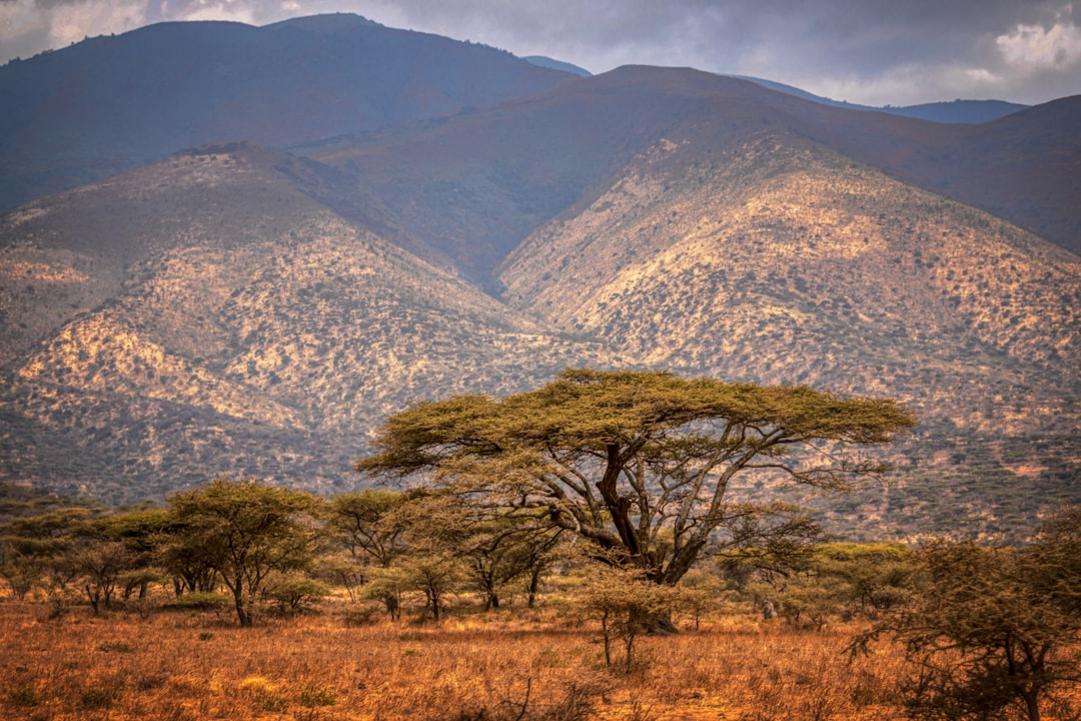
- The Namib Desert experiences extreme temperature drops at night, often below 10°C, requiring warm gear even in the dry season.
- Northern regions receive more rain during the summer months, while the central highlands remain drier, affecting travel plans and wildlife visibility.
- The peak dry season from June to September sees a significant influx of tourists, leading to a 15-25% price increase for accommodations; early booking is essential.
- Wildlife visibility is highest at waterholes during the dry season, making it crucial to plan visits around this period for optimal safari experiences.
Who Should Go When
The Wildlife Waterhole Watcher
Travel from June to September for the best wildlife sightings at waterholes.
- Book lodges near Etosha National Park for peak wildlife visibility.
- Expect day temperatures around 24-29°C and cool nights.
- Plan to reserve accommodations at least three months in advance due to high demand.
- Solo female travelers will find this period safest with well-maintained roads and active lodges.
The Shoulder Season Explorer
Visit in May or October for fewer crowds and lower prices while still enjoying good weather.
- Experience slightly warmer days (27-32°C with manageable rainfall.
- Roads remain mostly passable, making it ideal for self-drive adventures.
- Prices drop by approximately 15-20% compared to peak season; flexibility in bookings is possible.
- Explore lesser-known parks like Waterberg Plateau for a more tranquil experience.
The Desert Road Tripper
Travel in October to enjoy the stunning landscapes and the Windhoek Oktoberfest.
- Expect warm days around 29°C and cooler nights at 13°C.
- Book accommodations early as local events can increase prices and demand.
- The Oktoberfest in Windhoek attracts crowds, so plan for potential congestion.
- Take advantage of the drier conditions for scenic drives through the Namib Desert.
Insider-Tipp
Book accommodations in May or October for better rates, as prices drop by 15-20% compared to peak months. This is especially beneficial for road trips, where rainfall remains manageable and tourist crowds are fewer.
Frequently Asked Questions
1What are the risks of traveling to Namibia in January?
January brings extreme heat with daytime temperatures reaching 35°C and about 80mm of rain, which can disrupt travel and wildlife spotting.
2How much cheaper is Namibia in May compared to peak months?
Traveling in May can save you approximately 15-20% on accommodation costs compared to the peak months of June to September.
3Are there specific regions to avoid during the rainy season?
The northern regions are more prone to heavy rainfall in summer, which can lead to travel disruptions and less wildlife visibility.
4What is the best time for a road trip in Namibia?
May and October are ideal for road trips, as rainfall is manageable and road conditions are generally good, unlike the heavy rains in January.
5Is wildlife spotting better in the dry season?
Yes, from June to September, wildlife congregates around waterholes, making sightings much more reliable compared to the wet season.
6When does peak tourist season occur in Namibia?
Peak tourist season runs from June to September, with increased prices and crowds, making early bookings essential.