


Leaving the bustling tourist hubs behind, you enter a world where roads wind through dense jungles and highland markets pulse with local life. The journey feels like stepping into a different Mexico, one shaped by remote terrains and hidden communities. Here, the familiar sights give way to quiet corners where tradition and nature intertwine, demanding patience and curiosity.
In these offbeat regions, you’ll encounter Lacandón jungle villages near Bonampak, vibrant Tzotzil markets around San Juan Chamula, and the rugged beauty of the Copper Canyon. Each place offers a glimpse into Mexico’s lesser-seen landscapes and cultures, far from crowded attractions and tourist routes. The terrain varies from high-altitude highlands to lush jungle valleys, promising adventures for those willing to explore beyond the standard itinerary.
Off-the-beaten-path in Mexico means exploring places like Lacandón jungle villages, San Juan Chamula markets, and the Barranca del Cobre train, away from tourist crowds.
- Visit Bonampak to see ancient Maya murals deep in the Lacandón jungle, accessible via guided tours through remote trails.
- Explore San Juan Chamula’s highland markets, where Tzotzil traditions thrive amid vibrant stalls and local rituals.
- Ride the Ferrochihuahua train through Barranca del Cobre for spectacular canyon views and a journey through rugged terrain.
Alle Orte auf der interaktiven Karte sehen
Nach Land filtern, in jeden Pin hineinzoomen und die Route mit dem Pack Lightly Länderkarten-Tool planen.
Uncover Mexico’s Hidden Depths Beyond the Main Routes
Mexico’s true character reveals itself in its lesser-known regions, where rugged landscapes and indigenous communities preserve centuries-old traditions. The off-beat side offers a richer, more authentic experience for travelers willing to venture off the beaten path, especially in Chiapas and the Copper Canyon. Here, the terrain and cultures are as diverse as they are remote, making each visit a journey into the country’s hidden heart.
- The Lacandón jungle villages near Bonampak stand out for their untouched rainforest environment and Maya ruins, accessible only by guided jungle treks that demand preparation.
- San Juan Chamula’s highland markets are unique for their blend of indigenous Tzotzil customs, lively market days, and sacred rituals still practiced today, offering a deep cultural immersion.
- The Ferrochihuahua train through Barranca del Cobre is a spectacular rail journey that crosses remote canyon landscapes, providing unmatched views and a sense of adventure far from crowded tourist routes.

Exploring Mexico’s Hidden Highs and Canyons
This guide uncovers lesser-known regions of Mexico, focusing on Chiapas highland markets and the Copper Canyon rail. These destinations suit travelers seeking authentic, off-the-beaten-path experiences, combining vibrant local culture with remote landscapes. From bustling markets to rugged train journeys, discover spots that reward those willing to venture beyond the common routes, with practical tips for reaching these remote gems.

Pin 0
Arriving in the remote village of Bonampak, the dense Lacandón jungle surrounds you with a quiet, primal energy. This spot is famous for its ancient Maya murals, but few travelers venture beyond the archaeological site itself. The village offers a glimpse into the life of Lacandón communities, who maintain traditional practices far from tourist crowds. Visiting here requires a rugged trek through jungle trails, often accessed by local guides with 4×4 vehicles during the dry season. The effort is rewarded with untouched scenery and authentic cultural exchanges. Most visitors miss the chance to explore nearby Lacandón communities, which remain largely unchanged for generations. If you seek a true immersion into indigenous life, Bonampak is worth the effort, especially in the dry months of November through March. Be prepared for limited facilities and plan your water and supplies accordingly. For those not comfortable with jungle terrain or seeking comfort, this may be too remote. However, if you are prepared, this spot offers a rare connection to ancient traditions in a pristine environment. From here, you can continue to explore other remote jungle sites or head towards the next highland market region, deepening your understanding of Mexico’s diverse cultural tapestry.
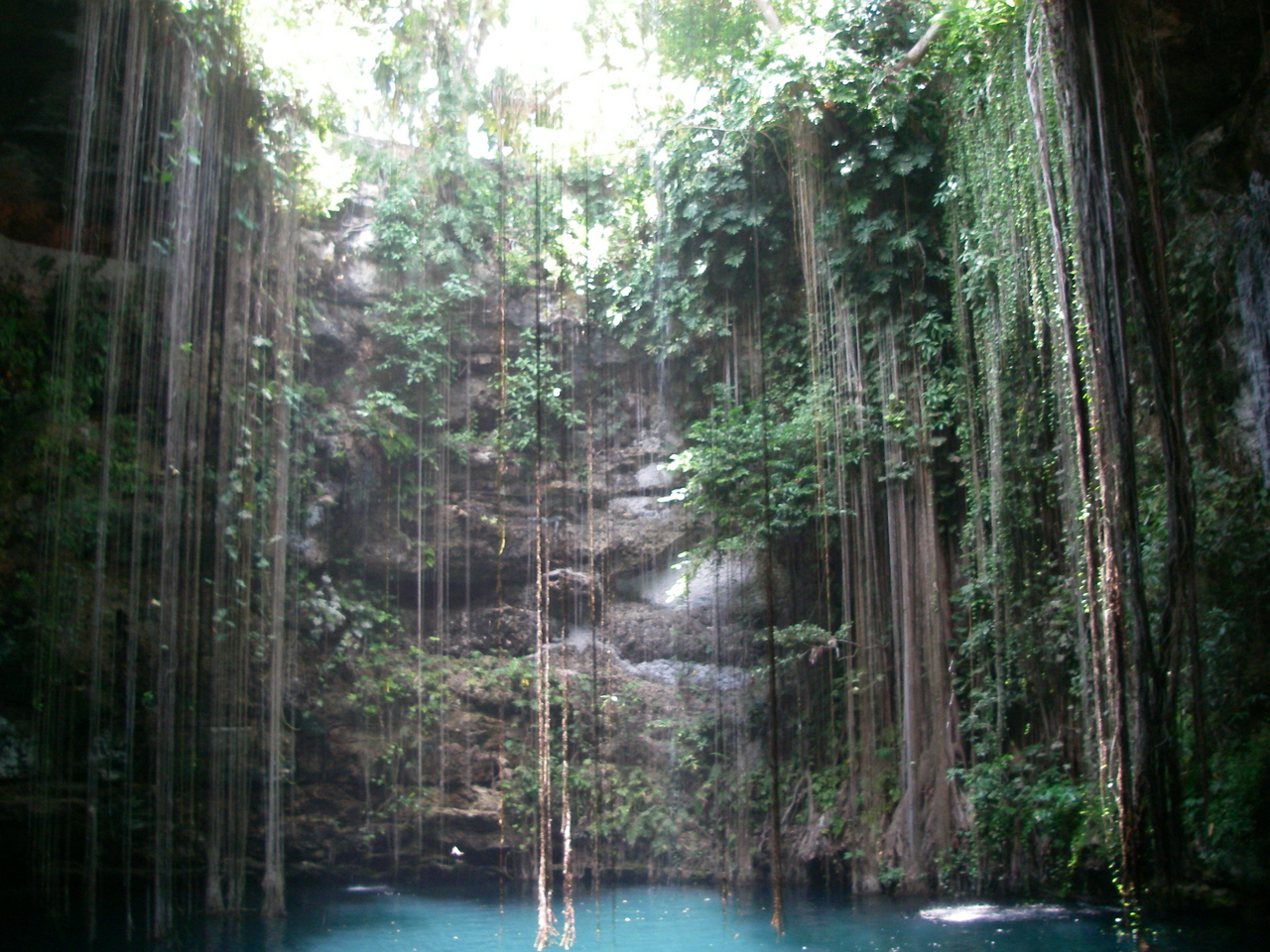
Pin 1
In the heart of Chiapas highlands, San Juan Chamula stands out for its vibrant Tzotzil market and unique religious practices. The town’s main square buzzes on market days, typically Tuesdays and Fridays, when locals gather to sell textiles, herbs, and traditional crafts. The atmosphere is intense, blending indigenous spirituality with everyday life. Visitors should approach with respect, especially around sacred sites like the church, where photography may be restricted. The market offers a deep dive into local culture, with vendors selling colorful textiles and aromatic herbs that are integral to Tzotzil traditions. The town’s remote location, accessible by a short bus ride from San Cristóbal de las Casas, makes it a rewarding stop for those interested in indigenous heritage. Visiting during market days ensures an authentic experience, but expect crowds and lively scenes. Outside market hours, the town quiets, revealing a place where tradition persists amid modern influences. If you want to understand the cultural fabric of the highlands, San Juan Chamula is essential. Combine it with a visit to nearby villages or continue into the highlands for more market adventures, especially in the cooler months of November through March when the weather is most stable.

Pin 2
Crossing into the Copper Canyon, the Ferrocarril Chihuahua al Pacífico train offers one of Mexico’s most spectacular rail journeys. Departing from Chihuahua, the train winds through rugged mountains, deep gorges, and remote villages, crossing Tarahumara territory. This route is a marvel of engineering and scenery, with panoramic windows revealing dramatic cliffs and lush valleys. The journey takes three days if you choose the full route, with stops at remote communities where Tarahumara people maintain traditional lifestyles. The train’s schedule is seasonal, with the best months from October to April when weather conditions are stable. Traveling here requires booking in advance, as seats fill quickly during peak season. The train is a comfortable way to access the highlands without the need for difficult overland travel, but be prepared for limited facilities on board and at stops. This spot is ideal for those who want to experience rugged terrain and indigenous culture without the hassle of driving. If you prefer a more relaxed pace and stunning vistas, the Copper Canyon rail is unmatched. Combine this with visits to local Tarahumara villages or the nearby Barranca del Cobre for a multi-day adventure into Mexico’s wild highlands.
Pin 3
The Lacandón jungle villages near Bonampak are a rare window into untouched rainforest life. These communities are home to Lacandón Maya who preserve their language and customs, often living far from modern infrastructure. Visiting requires a guided trek through dense jungle, typically starting from the archaeological site or nearby towns like Palenque. The journey involves walking several hours over muddy trails, best undertaken in the dry season from November to March. Once there, you can witness traditional farming, hear stories of ancient Maya, and see how their spiritual practices continue. Few tourists venture this deep, making it a rewarding experience for those seeking authenticity. Be aware that facilities are minimal, and guides are essential for navigation and cultural respect. The effort to reach these villages is significant but worthwhile for travelers eager to see indigenous life in its most authentic form. After exploring Lacandón communities, consider heading back to Palenque or continuing into Chiapas highlands for more market and cultural immersion, especially during the cooler months when the jungle is less humid.
Pin 4
The remote highland markets around San Juan Chamula and nearby villages are a tapestry of indigenous life. These markets operate on specific days, often Tuesday and Friday, when Tzotzil and Tzeltal communities gather to trade textiles, medicinal herbs, and handcrafted goods. Visiting these markets offers a chance to see traditional dress, hear indigenous languages, and observe age-old trading customs. The markets are nestled in rugged mountain terrain, accessible by short bus rides from San Cristóbal de las Casas. The best time to visit is during the dry season, from November to March, when weather is more predictable. These markets are less touristy than the town’s main square, providing an authentic cultural experience. Be respectful when photographing sacred sites or participating in local customs. The vibrant colors, sounds, and smells make this a compelling stop for those interested in indigenous heritage. Combine your visit with a walk through surrounding villages, where traditional life persists. If you want a genuine taste of highland traditions, plan your trip around market days and arrive early to avoid the crowds that gather later in the morning.
Pin 5
The rugged terrain of the Sierra Madre near the Copper Canyon demands careful planning. For travelers seeking true wilderness, areas with steep cliffs, sparse water sources, and limited access define the challenge. Reaching these spots involves long drives on unpaved roads, often requiring a 4×4 vehicle and permits, especially in protected zones. The best months are from October to April, when weather is drier and safer for travel. These locations are physically demanding, with high altitudes and exposed terrain, making them suitable only for experienced hikers or those with proper gear. Emergency access is limited, so preparation is crucial. The remote nature means no nearby facilities; water must be carried, and medical help is far away. These spots are for adventurers who prioritize solitude and raw landscape over comfort. Outside the dry season, roads can wash out, and weather turns hazardous. If you are equipped and experienced, these wilderness areas offer unparalleled views and a true sense of isolation. For most, a guided expedition with local experts is recommended. After exploring these highlands, consider returning to more accessible sites or heading into the next region for cultural immersion, especially in the cooler months when conditions are safest.
Pin 6
The Tarahumara communities along the Barranca del Cobre are a testament to resilience and tradition. Visiting these villages involves a combination of train travel and local transport, often requiring coordination with local guides. The train journey itself is a highlight, offering breathtaking views of the canyon’s steep walls and lush forests. Once there, you can meet residents who still run traditional farms and craft handmade goods. The best months for visiting are from October to April, when weather conditions are most stable. Access is seasonal; during the rainy season, roads and trails become impassable, and some villages are cut off. The train schedule is fixed, but local transport between villages can be limited, so advance planning is essential. The area is remote, with limited facilities, and visitors should carry supplies and be prepared for basic conditions. This spot is ideal for those who want to experience rugged wilderness and indigenous culture without the crowds of more popular tourist routes. Combining the train ride with a stay in a local guesthouse provides a deeper connection to the Tarahumara way of life. After exploring the canyon, you can continue your journey through other remote highland areas or return to Chihuahua for onward travel, especially in the dry season.

Combining Chiapas Highland Markets and Copper Canyon Rail
Routing through these off-beat regions in Mexico requires careful planning due to terrain and transport options. The highlands and jungle areas involve rough roads and limited schedules, especially for buses and trains. Weather can impact travel, particularly during the rainy season. Flexibility is key to maximize the experience without risking delays or stranded segments.
Chiapas Highlands and Lacandón Jungle 7-10 days
Begin in San Cristóbal de las Casas, exploring Tzotzil markets and local villages. Travel south by bus to Palenque, then take a guided tour into the Lacandón jungle communities near Bonampak. Use local transport or hire a driver for remote pin locations. The route involves rough roads, so a 4×4 is recommended if venturing beyond main routes. Decide whether to add a visit to the highland markets around San Juan Chamula for cultural depth.
Copper Canyon and Barranca del Cobre 5-8 days
Start in Chihuahua City, then take the Ferrocarril Chihuahua al Pacífico train through Barranca del Cobre. The train runs seasonally, so check schedules in advance. Focus on the three-day descent to explore remote Tarahumara villages and canyon viewpoints. The train is reliable, but booking early is essential. Consider skipping some stops if time is limited, or adding a side trip to the nearby Urique River for canyon hikes.
Kombinieren mit
Extend the trip by crossing into neighboring Guatemala via the Ciudad Hidalgo border for Mayan ruins or indigenous markets, or head north to the Sonora desert for a different landscape. These routes require planning for border crossings and transportation schedules, especially for remote regions.
Practical Realities of Off-Beat Travel in Mexico’s Highlands and Canyons
Traveling to these remote regions demands attention to specific logistical challenges. Roads can be unpaved and seasonal, ferries are not involved but train schedules are limited, and local language skills are helpful outside tourist areas. Emergency access and health services are sparse, so self-sufficiency is crucial for safety and comfort.
Road closures and seasonal access
Many routes in Chiapas highlands and Copper Canyon are affected by weather, especially during the rainy season from June to September. Roads can become impassable or washed out, making a 4×4 essential for some segments. Check local conditions before travel and plan alternative routes or extra days for delays.
Vehicle requirements
A reliable 4×4 vehicle is strongly recommended for accessing remote pins like Lacandón villages or canyon viewpoints. Public transport is limited or non-existent in these areas, so renting a suitable vehicle or hiring a local driver ensures flexibility and safety.
Language outside the tourist track
English is rarely spoken in remote villages or indigenous communities. Basic Spanish skills or a local guide can prevent misunderstandings, especially when negotiating transport or permits. Respect local customs and ask permission before photography.
Health access in remote regions
Medical facilities are sparse in the highlands and canyon areas. Carry a basic first aid kit, and ensure your health insurance covers emergency evacuation. Know the location of the nearest clinics in towns like San Cristóbal or Chihuahua for safety.
Off-Beat Travel in Mexico: Key Questions
1How does this off-beat loop differ from visiting Mexico’s main highlights?
This route focuses on remote villages, indigenous communities, and rugged landscapes rarely seen on typical tourist itineraries. It offers deeper cultural immersion and outdoor adventure, but involves rough roads, limited facilities, and less schedule certainty. Expect fewer amenities but richer authentic experiences.
2Is visiting Lacandón jungle villages worth the detour if I only have 10 days?
Yes, if you seek authentic jungle communities and cultural insights. The trip involves rough roads and a guided tour, so plan for at least 2-3 days. If time is tight, consider skipping some cultural sites in San Cristóbal to focus on Lacandón access.
3Can I do these pins solo or with kids, and what should I consider?
Solo travel is possible but challenging due to language barriers and rough roads. With kids, prepare for long drives and basic amenities. A guided tour or hiring a driver simplifies logistics and enhances safety. Always check road conditions and avoid rainy seasons for better access.
4What vehicle or gear do I need that I can’t rent on the main tourist trail?
A sturdy 4×4 vehicle with good ground clearance is essential for reaching remote pins like Lacandón villages or canyon viewpoints. Standard rental cars are insufficient. Pack essentials for remote travel: water, snacks, basic repair tools, and a GPS or detailed maps.
5When does hiring a local guide become necessary for these off-beat sites?
A local guide is highly recommended for navigating indigenous communities, understanding cultural protocols, and ensuring safety. For remote jungle or canyon hikes, guides provide valuable local knowledge and help access restricted or hard-to-find spots. Book guides in advance where possible.
Bildnachweise: Foto: Andreas Lehner / Wikimedia Commons, CC BY 2.0 · Foto: Daniel Schwen / Wikimedia Commons, CC BY-SA 4.0 · Foto: Dmadeo / Wikimedia Commons, CC BY-SA 3.0 · Foto: Daniel Case / Wikimedia Commons, CC BY-SA 3.0 · Foto: Adam Jones from Kelowna, BC, Canada / Wikimedia Commons, CC BY-SA 2.0