


Visit Madagascar from September to November for active wildlife, warm temperatures around 27°C, and minimal rain after the cyclone season ends.
Madagascar’s wildlife activity peaks in the months after the cyclone season, especially from September to November, when temperatures reach a comfortable 27°C and rain drops below 50mm. January, by contrast, brings over 300mm of rain and cyclone risk, making travel difficult and many parks inaccessible. Which months balance wildlife encounters, weather, and travel conditions best?
The island’s climate is shaped by its tropical savanna zone, with a distinct wet season driven by monsoon winds from the Indian Ocean between December and March. The central highlands around Antananarivo experience cooler nights, while coastal areas remain warmer year-round. Northern Madagascar tends to be wetter year-round, while the south is drier. This regional variation means timing your visit depends on the specific destinations and activities planned.
This guide ranks each month by weather, wildlife activity, and travel conditions using verified climate data. It highlights the months to avoid due to cyclones and heavy rain, and identifies the best windows for wildlife watching and beach time. The verdict section offers clear options tailored to different traveler profiles and priorities.
The Bottom Line
For adventure travelers prioritizing wildlife, September to November offers the best conditions despite higher prices and moderate crowds. April to June suits budget-conscious travelers willing to accept some rain and reduced wildlife activity.
Länder monatlich vergleichen
Explore the best travel times for Madagascar and other countries with our month-by-month comparison tool at pack-lightly.com.
Quick Facts
- September: 27°C (27°C) with under 50mm rain, peak lemur activity and dry trails
- January: 300mm rain and cyclone risk, many parks closed, travel disruptions likely
- October-November: crowd peak with 15-25% higher prices in popular parks
- April-June: rainfall 60-90mm, prices up to 30% lower, fewer tourists
- Northern Madagascar sees 20% more rain year-round than south, affecting beach plans
- Solo female travelers find safer accommodations and transport options increase outside cyclone months
Monthly Weather Overview
| Month | Rating | Day Temp | Night Temp | Sun Hours | Rainfall | Humidity | UV | Crowds |
|---|---|---|---|---|---|---|---|---|
| January | 1★ | 30°C | 24°C | 150 | 300mm | 85% | 9 | Low |
| February | 1★ | 29°C | 23°C | 160 | 280mm | 83% | 9 | Low |
| March | 2★ | 29°C | 23°C | 180 | 200mm | 80% | 8 | Medium |
| April | 4★ | 24°C | 18°C | 210 | 90mm | 70% | 7 | Medium |
| May | 4★ | 23°C | 17°C | 220 | 70mm | 68% | 7 | Medium |
| June | 4★ | 22°C | 16°C | 230 | 60mm | 65% | 6 | Medium |
| July | 4★ | 23°C | 15°C | 240 | 50mm | 63% | 6 | Medium |
| August | 4★ | 24°C | 16°C | 250 | 40mm | 62% | 7 | Medium |
| September | 5★ | 27°C | 18°C | 270 | 45mm | 60% | 8 | High |
| October | 5★ | 28°C | 19°C | 280 | 40mm | 58% | 8 | Peak |
| November | 5★ | 29°C | 20°C | 260 | 50mm | 60% | 8 | Peak |
| December | 2★ | 29°C | 21°C | 200 | 150mm | 75% | 9 | Low |
Beste Reisezeit
Okay
low Andrang · mid
Okay
low Andrang · mid
Vermeiden
low Andrang · mid
Vermeiden
medium Andrang · mid
Vermeiden
medium Andrang · budget
Ideal
low Andrang · budget
Ideal
low Andrang · budget
Ideal
low Andrang · budget
Ideal
low Andrang · budget
Ideal
medium Andrang · mid
Okay
high Andrang · mid
Okay
peak Andrang · premium
Okay
Vermeiden
Monat für Monat
January in Madagascar: Cyclone Risks and Heavy Rains
Skip unless you are prepared for travel disruptions and closed parks.
January in Madagascar is marked by heavy rains and the risk of cyclones, particularly in coastal areas. Expect around 300mm of rainfall, leading to muddy trails and limited access to wildlife parks. Many parks may be closed, significantly hindering wildlife safari opportunities. Prices are generally lower, but the risk of travel disruptions makes this a challenging time to visit. Most travelers underestimate the impact of the cyclone season, which can lead to canceled plans. Consider booking accommodations with flexible cancellation policies.
Was das für dich bedeutet
- Wildlife parks may be closed, limiting safari options.
- Expect muddy trails, making hiking difficult.
- Lower prices may not compensate for travel disruptions.
Profi-Tipp
Check local weather forecasts regularly for cyclone updates before traveling.
February in Madagascar: Continued Rain and Cyclone Threats
Skip unless you can handle unpredictable weather and park closures.
February continues the trend of heavy rainfall and cyclone risks, particularly in the northern regions. Travelers can expect similar conditions to January, with around 300mm of rain, making outdoor activities challenging. Wildlife sightings are limited as many parks remain closed due to safety concerns. Prices remain low, but the potential for travel disruptions can lead to frustration. Many travelers overlook the severity of the weather, leading to disappointment. Ensure to have a flexible itinerary to adapt to changing conditions.
Was das für dich bedeutet
- Travel plans may be disrupted by weather conditions.
- Limited wildlife viewing opportunities due to park closures.
- Low prices may not justify the risk of cancellations.
Profi-Tipp
Consider alternative indoor activities or cultural experiences in Antananarivo.

March in Madagascar: Transitioning Out of Cyclone Season
Conditional: Visit if you can handle some rain and park uncertainties.
March marks the end of the cyclone season, but rain is still prevalent, especially in the north. Expect around 300mm of rainfall, which can lead to muddy conditions and limited access to some parks. Wildlife activity begins to increase, but many parks may still be closed or have limited access. Prices remain low, making it an attractive option for budget travelers. Many visitors underestimate the lingering effects of the rainy season, leading to missed opportunities. Book accommodations with good reviews for reliability during this transitional period.
Was das für dich bedeutet
- Wildlife activity is improving, but access may still be limited.
- Expect muddy trails, which can hinder hiking plans.
- Low prices can be appealing, but flexibility is essential.
Veranstaltungen & Kultur
- Antananarivo hosts local festivals celebrating the end of the rainy season.
Profi-Tipp
Look for last-minute deals on accommodations as demand is low.
April in Madagascar: A Budget-Friendly Wildlife Opportunity
Book this month if you seek lower prices and fewer tourists.
April offers a transition into the dry season, with rainfall decreasing to around 60-90mm. This month is ideal for budget-conscious travelers, as prices can be up to 30% lower than peak season. Wildlife is less active than in the peak months, but reptiles and some birds are still visible. The trails are less crowded, allowing for a more intimate experience with nature. Many travelers overlook this month, thinking it’s too rainy, but the conditions are manageable. Book early to secure accommodations in popular areas.
Was das für dich bedeutet
- Lower prices make this a great time for budget travelers.
- Fewer tourists mean less crowded parks and trails.
- Wildlife sightings may be less frequent but still rewarding.
Veranstaltungen & Kultur
- Easter celebrations may affect local travel and accommodation availability.
Profi-Tipp
Consider visiting lesser-known parks for a quieter experience during this month.
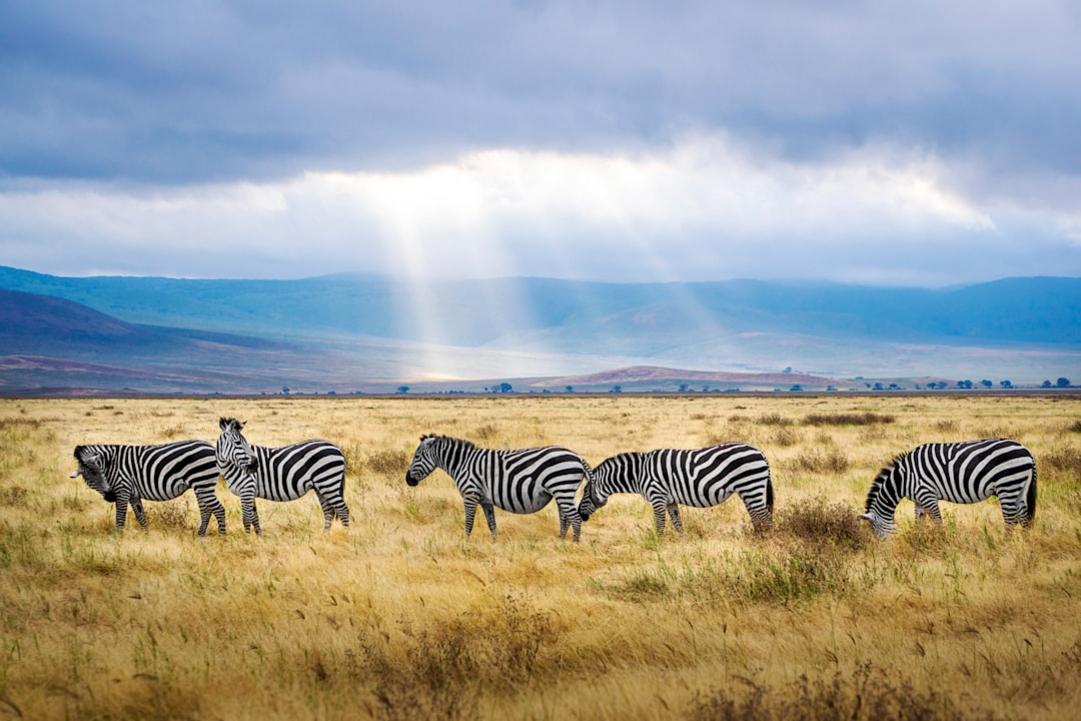
May in Madagascar: Ideal for Budget Travelers
Book this month for lower prices and manageable weather.
May is a great month for budget travelers, with prices remaining low and rainfall averaging around 60-90mm. The weather is generally pleasant, making it suitable for outdoor activities like hiking and wildlife viewing. While wildlife activity is not at its peak, some reptiles and birds can still be spotted. Many travelers overlook May, thinking it’s still too rainy, but conditions are improving. Book accommodations in advance to ensure availability as the month progresses.
Was das für dich bedeutet
- Lower prices compared to peak season make it budget-friendly.
- Wildlife sightings are still possible, especially for reptiles.
- Fewer tourists mean a more peaceful experience in nature.
Veranstaltungen & Kultur
- Local markets may feature seasonal fruits and crafts.
Profi-Tipp
Explore off-the-beaten-path locations for a unique experience during May.
June in Madagascar: Start of the Dry Season
Book this month for fewer crowds and pleasant weather.
June marks the beginning of the dry season, with rainfall dropping significantly and temperatures averaging around 22-24°C. This month is ideal for outdoor activities, including wildlife safaris and hiking, as trails are more accessible. Prices remain low, making it an attractive option for travelers looking to avoid the peak season crowds. Many travelers miss out on June, thinking it’s too early in the dry season, but conditions are favorable. Secure your accommodations early to take advantage of the pleasant weather.
Was das für dich bedeutet
- Fewer crowds make for a more enjoyable wildlife experience.
- Accessible trails enhance hiking opportunities.
- Lower prices compared to peak season attract budget travelers.
Profi-Tipp
Plan for early morning excursions to maximize wildlife sightings during cooler temperatures.
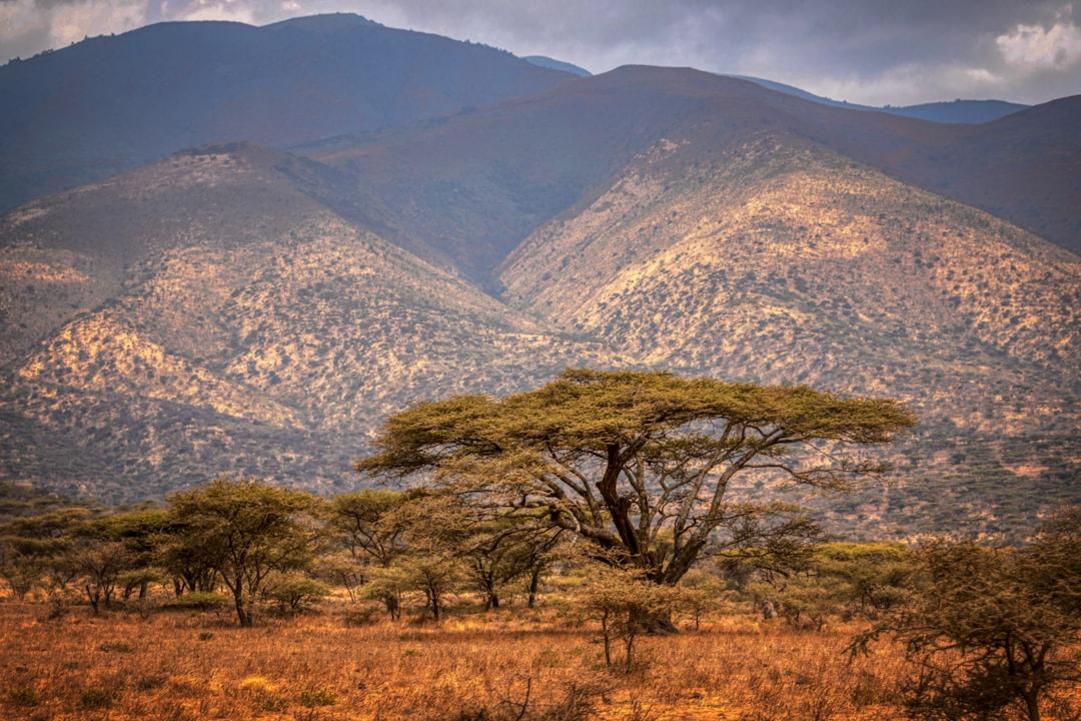
July in Madagascar: Cool and Dry Conditions
Visit for pleasant weather and fewer crowds.
July offers cool temperatures averaging around 22°C (22°C) and minimal rainfall, making it an excellent time for outdoor activities. Wildlife is less active than in peak months, but trails are accessible. Prices remain lower compared to the upcoming peak season, and crowds are manageable. This month presents an opportunity for budget-conscious travelers to explore Madagascar’s natural beauty without the usual hustle. Book accommodations early to secure the best rates.
Was das für dich bedeutet
- Wildlife sightings may be limited, but hiking is enjoyable.
- Expect lower prices compared to the busier months ahead.
- Fewer tourists mean more space on trails.
Profi-Tipp
Plan hikes in the early morning for the best wildlife visibility.
August in Madagascar: Transition to Peak Season
Ideal for wildlife enthusiasts seeking fewer tourists.
August continues the trend of cool, dry weather with temperatures around 22°C (22°C). Rainfall remains low, ensuring excellent trail conditions for hiking and wildlife viewing. While wildlife activity is still moderate, this month offers a quieter experience before the peak season rush. Prices remain budget-friendly, making it a smart choice for travelers looking to avoid crowds. Secure your accommodations early to take advantage of lower rates.
Was das für dich bedeutet
- Wildlife activity is moderate, but trails are in great condition.
- Prices are still lower than peak season, offering good value.
- Fewer tourists enhance the overall experience.
Profi-Tipp
Bring layers for cooler evenings and early mornings.
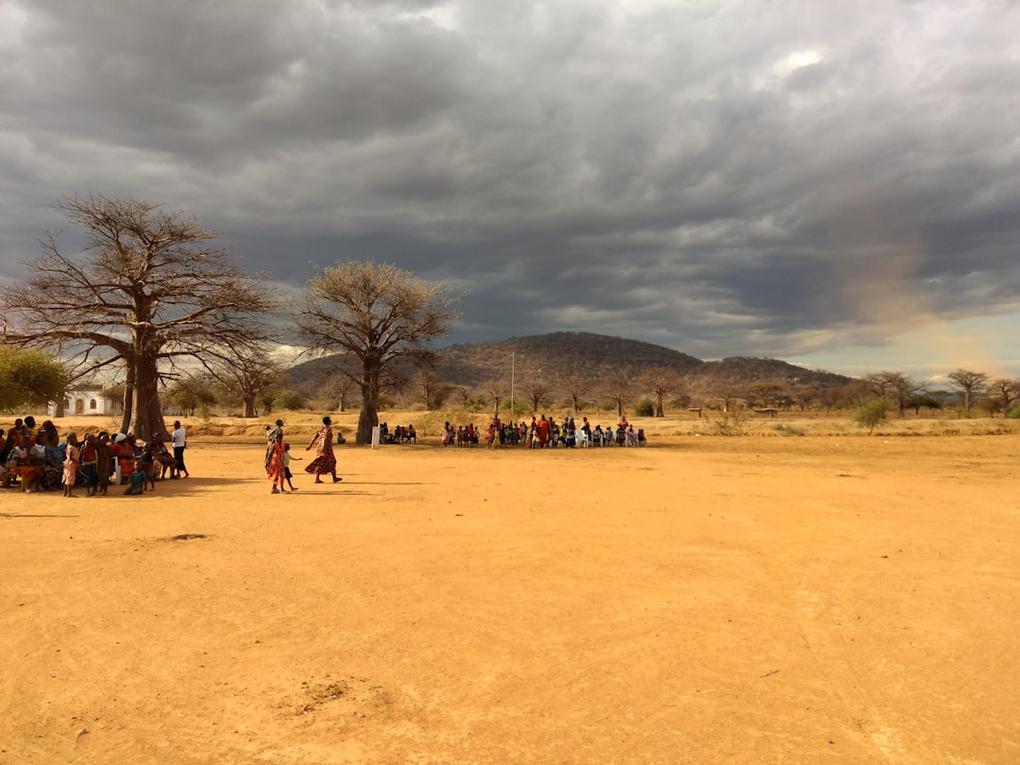
September in Madagascar: Peak Wildlife Activity
September is the prime month for wildlife enthusiasts.
September marks the start of peak wildlife activity, with temperatures around 27°C (27°C) and less than 50mm of rain. This month is perfect for lemur watching and exploring Madagascar’s unique ecosystems. While prices begin to rise, they remain lower than in October and November. Expect manageable crowds, making it easier to enjoy the parks. Book accommodations in advance to secure your spot during this popular month.
Was das für dich bedeutet
- Ideal conditions for wildlife viewing, especially lemurs.
- Prices start to increase but are still reasonable.
- Crowds are manageable, enhancing the experience.
Profi-Tipp
Consider guided tours for the best wildlife sightings.
October in Madagascar: Busy Yet Rewarding
October offers vibrant wildlife and increased crowds.
October sees temperatures around 27°C (27°C) with rainfall remaining low, making it a fantastic time for wildlife enthusiasts. However, this month also marks the beginning of peak tourist season, leading to a 15-25% increase in prices for accommodations and park entries. While crowds are larger, the wildlife experience is rewarding, especially for lemur watching. Plan ahead and book early to secure the best options.
Was das für dich bedeutet
- Excellent wildlife viewing opportunities, especially lemurs.
- Expect higher prices and larger crowds compared to September.
- Advance booking is essential to secure accommodations.
Veranstaltungen & Kultur
- World Lemur Day is celebrated in October.
Profi-Tipp
Book park entries in advance to avoid long lines.
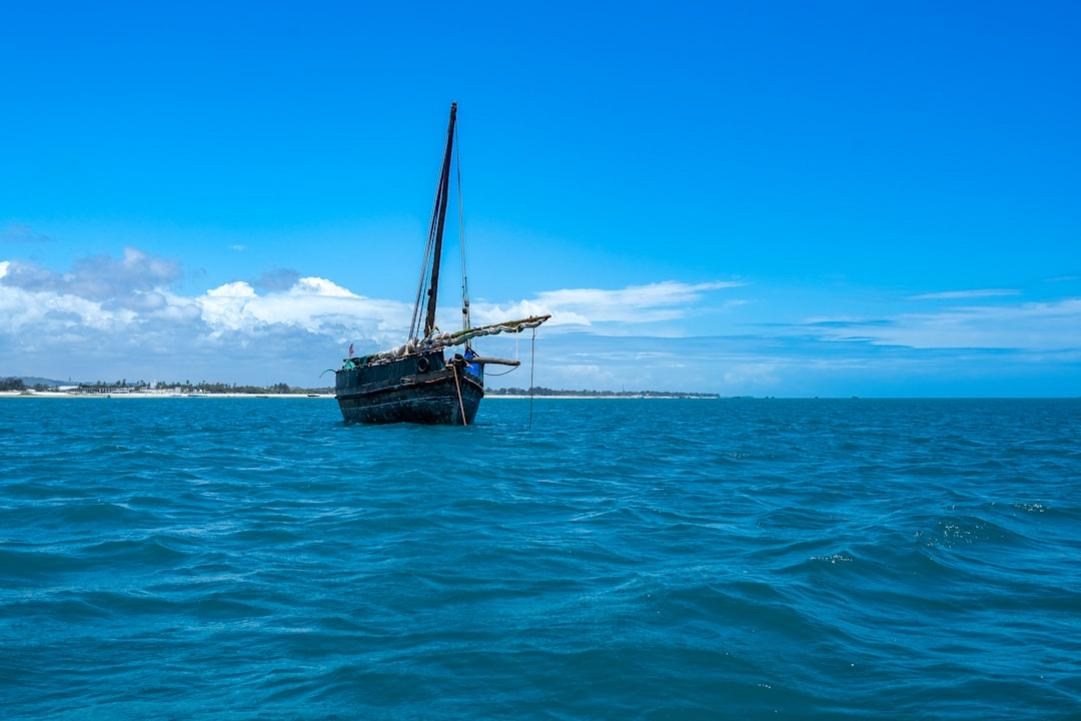
November in Madagascar: Peak Season for Wildlife
November is the peak month for wildlife activity and crowds.
November continues the trend of warm temperatures around 27°C (27°C) and minimal rainfall, making it ideal for wildlife viewing. This month sees the highest tourist numbers, with prices 15-25% above shoulder season rates. Expect busy parks, but the wildlife experience is unparalleled, especially for those interested in lemurs. Book accommodations and tours well in advance to ensure availability during this peak period.
Was das für dich bedeutet
- Best month for wildlife sightings, particularly lemurs.
- Higher prices and larger crowds compared to previous months.
- Advance reservations are crucial for popular parks.
Veranstaltungen & Kultur
- Lemur-watching tours are particularly popular this month.
Profi-Tipp
Consider visiting lesser-known parks to avoid crowds.
December in Madagascar: Transition to Rainy Season
Avoid December due to increasing rainfall and crowds.
December marks the transition to the rainy season, with temperatures remaining warm around 27°C (27°C). However, rainfall begins to increase, leading to muddy trails and potential park closures. Crowds remain high as many travelers visit for the holiday season, resulting in premium pricing for accommodations. This month poses challenges for outdoor activities, making it less favorable for adventure travelers. If you must visit, book flexible accommodations.
Was das für dich bedeutet
- Increased rainfall may limit outdoor activities.
- Higher prices due to holiday season demand.
- Expect larger crowds in popular areas.
Veranstaltungen & Kultur
- Christmas celebrations occur throughout the country.
Profi-Tipp
Check weather forecasts regularly for updates on trail conditions.
What Makes Madagascar’s Climate Different
- Northern Madagascar receives about 20% more rainfall year-round compared to the southern regions, impacting beach plans and wildlife visibility.
- The cyclone season peaks from January to March, leading to park closures and travel disruptions, making these months unsuitable for visits.
- Madagascar’s unique monsoon pattern means that the east coast experiences heavy rains while the west remains drier, affecting travel routes and activities.
- Wildlife activity varies significantly by month; for instance, lemurs are most active from September to November, while reptiles are more visible during the shoulder months.
Who Should Go When
The Lemur Enthusiast
Visit from September to November for the best lemur sightings and dry trails.
- Explore Andasibe-Mantadia National Park in October for peak lemur activity.
- Book accommodations early as prices rise by 15-25% during this period.
- Join guided tours to see nocturnal species in October.
- Expect manageable crowds outside major holidays, enhancing your wildlife experience.
The Budget Nature Explorer
Travel from April to June for lower prices and fewer tourists, despite some rain.
- Visit Isalo National Park in May for cooler temperatures and reduced rates.
- Expect prices up to 30% lower than peak season, making it budget-friendly.
- Wildlife is still visible, especially reptiles, during this period.
- Solo female travelers will find increased safety in accommodations during these months.
The Beach Seeker
Plan your trip for October to enjoy the beaches with pleasant weather and vibrant marine life.
- Head to Nosy Be in late October for ideal diving conditions and warm waters.
- Book beach accommodations early, as prices begin to rise in November.
- Enjoy fewer crowds compared to the peak holiday season in December.
- Participate in local fishing activities that resume after the cyclone season.
Insider-Tipp
Book your Madagascar trip for late September to early October to enjoy peak lemur activity while avoiding the highest prices. This window allows you to experience vibrant wildlife without the crowds that surge in November.
Frequently Asked Questions
1What is the best time to see lemurs in Madagascar?
The best time to see lemurs is from September to November when they are most active and trails are dry.
2How much cheaper is Madagascar in April compared to November?
Traveling in April can be up to 30% cheaper than visiting in November due to lower demand and prices.
3What risks are associated with visiting Madagascar in January?
January poses a high risk of cyclones and heavy rainfall, leading to park closures and travel disruptions.
4How does rainfall differ between northern and southern Madagascar?
Northern Madagascar experiences about 20% more rainfall year-round compared to the southern regions, affecting travel plans.
5Are national parks open year-round in Madagascar?
Many national parks are closed during the cyclone season from January to March, limiting access to wildlife.
6What is the weather like in Madagascar during the shoulder season?
During the shoulder season from April to June, expect moderate rainfall of 60-90mm and cooler temperatures averaging 22-24°C.
Bildnachweise: Foto: NP023 / Wikimedia Commons, CC BY-SA 4.0