


Wenn du Kroatien abseits der üblichen Touristenrouten erkundest, findest du dich in einer Welt wieder, in der Natur und Geschichte ungestört nebeneinander existieren. Hier sind die Straßen schmaler, die Orte kleiner und die Begegnungen authentischer. Das Gefühl von Abgeschiedenheit wächst, während du dich auf den Weg zu weniger bekannten Inseln und versteckten Feuchtgebieten machst.
In diesen Regionen triffst du auf zerklüftete Küsten, alte Fischerdörfer und unberührte Naturreservate. Orte wie Lastovo mit seinen kleinen Buchten, das Lonjsko Polje Feuchtgebiet mit seinen traditionellen Holzhäusern und die ruhigen Inlandregionen um Vis herum bieten dir eine andere Seite Kroatiens, ruhiger, ursprünglicher und voller Überraschungen.
Off-the-beaten-path in Kroatien bedeutet, abgelegene Inseln wie Lastovo zu erkunden, das Lonjsko Polje Feuchtgebiet zu besuchen oder inland Vis abseits der Touristenpfade zu erleben.
- Lastovo bietet einsame Buchten und eine unberührte Natur, perfekt für Abenteurer, die Ruhe und Authentizität suchen.
- Lonjsko Polje ist ein einzigartiges Feuchtgebiet mit traditionellen Holzhäusern, ideal für Naturliebhaber und Kulturinteressierte.
- Inland Vis umgibt dich mit ursprünglichen Landschaften und kleinen Dörfern, die das echte Kroatien abseits der Touristenströme zeigen.
Alle Orte auf der interaktiven Karte sehen
Nach Land filtern, in jeden Pin hineinzoomen und die Route mit dem Pack Lightly Länderkarten-Tool planen.
Was Kroatien abseits der Massen so einzigartig macht
Kroatien zeigt seine verborgenen Seiten durch abgelegene Inseln und unberührte Feuchtgebiete, die nur wenige kennen. Diese Orte bieten eine authentische Erfahrung, die weit weg vom Massentourismus liegt.
- Lastovo ist eine kaum bekannte Insel mit zerklüfteten Küsten, kleinen Dörfern und klaren Wasser, ideal für Naturliebhaber, die Ruhe suchen.
- Lonjsko Polje ist eines der größten Feuchtgebiete Europas, bekannt für seine traditionellen Holzhäuser und vielfältige Vogelwelt, perfekt für Kultur- und Naturfreunde.
- Inland Vis bietet eine ruhige, ursprüngliche Landschaft mit kleinen Dörfern, die das echte Kroatien zeigen, abseits der bekannten Touristenziele.

Discover Croatia’s Hidden Corners: Lastovo and Inland Vis + Lonjsko Polje Wetland
This curated selection takes you beyond Croatia’s popular sights to explore its lesser-known treasures. From the remote island of Lastovo and inland Vis around Komiza to the untouched Lonjsko Polje wetland, these destinations reveal Croatia’s authentic, off-the-beaten-path character. Prepare for rugged landscapes, cultural richness, and quiet waters that reward the adventurous traveler willing to venture off the usual tourist routes.
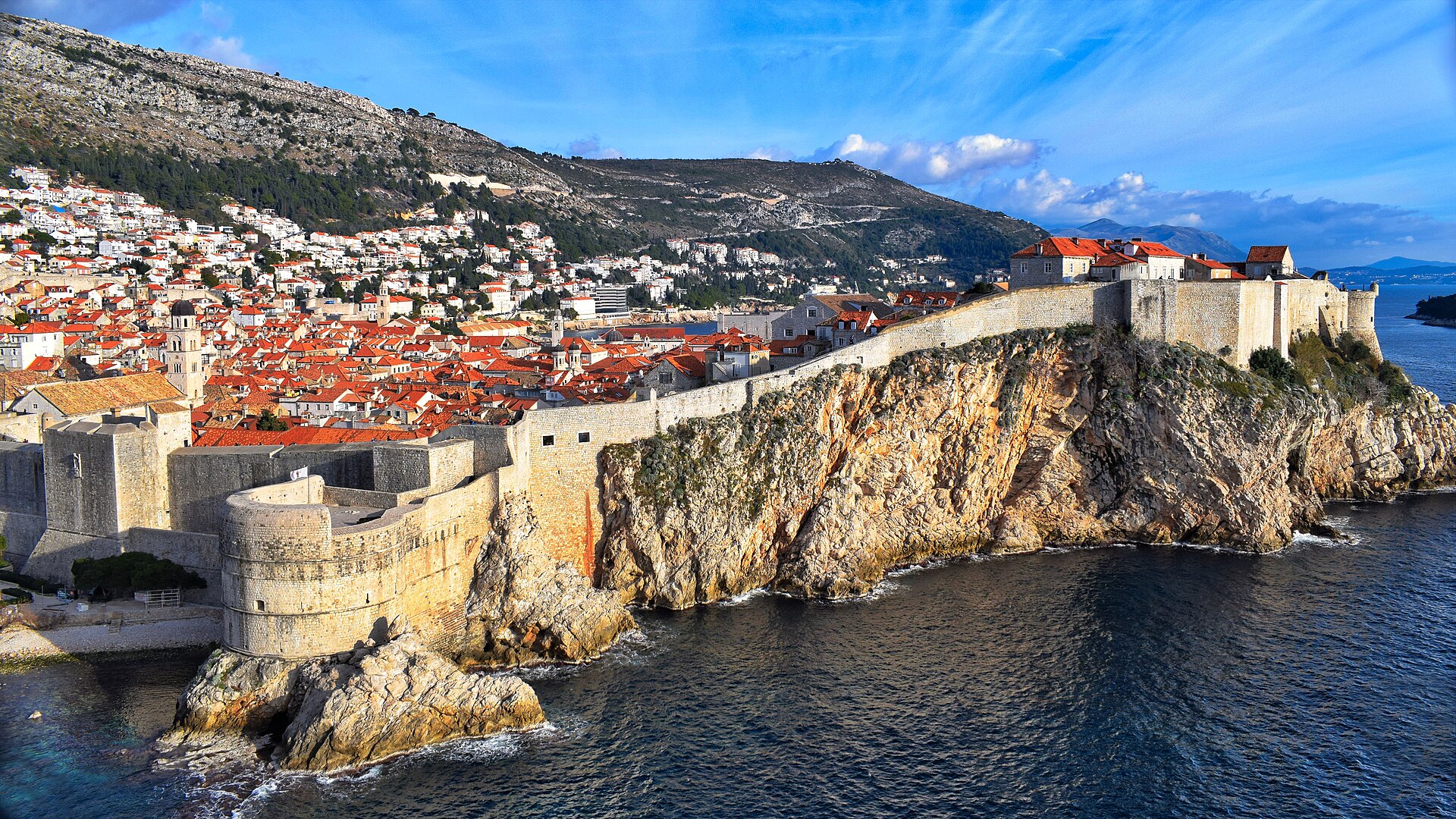
Lastovo
Arriving on Lastovo feels like stepping into a different world. The island’s rugged coastline and sparse population create a sense of seclusion that appeals to those seeking solitude and raw nature. Its remote location means the journey involves a ferry from Split or Dubrovnik, often with limited schedules outside peak season. Once here, you find a landscape dotted with pine forests, rocky coves, and traditional stone houses. Lastovo’s appeal lies in its untouched environment and the quiet charm of its small villages. Unlike more visited islands, it offers few tourist facilities, making it ideal for hikers and nature lovers prepared for basic amenities. The island’s maritime history and local traditions are preserved in its architecture and festivals, which most visitors miss. If you want a true escape, plan your visit between May and September when weather is most reliable. Expect a full day for travel and exploration, with rugged terrain requiring sturdy footwear. The difficulty is moderate due to uneven paths and limited infrastructure, but the reward is a pristine, unspoiled environment. Outside the ferry season, access becomes more challenging, so check schedules carefully. Lastovo is best suited for travelers who prioritize wilderness and solitude over comfort, and who are ready for a remote adventure. For those who prefer easier access, consider combining it with a coastal drive along the Dalmatian hinterland. As you leave, think about the next step: inland Vis or the wetlands await your discovery.
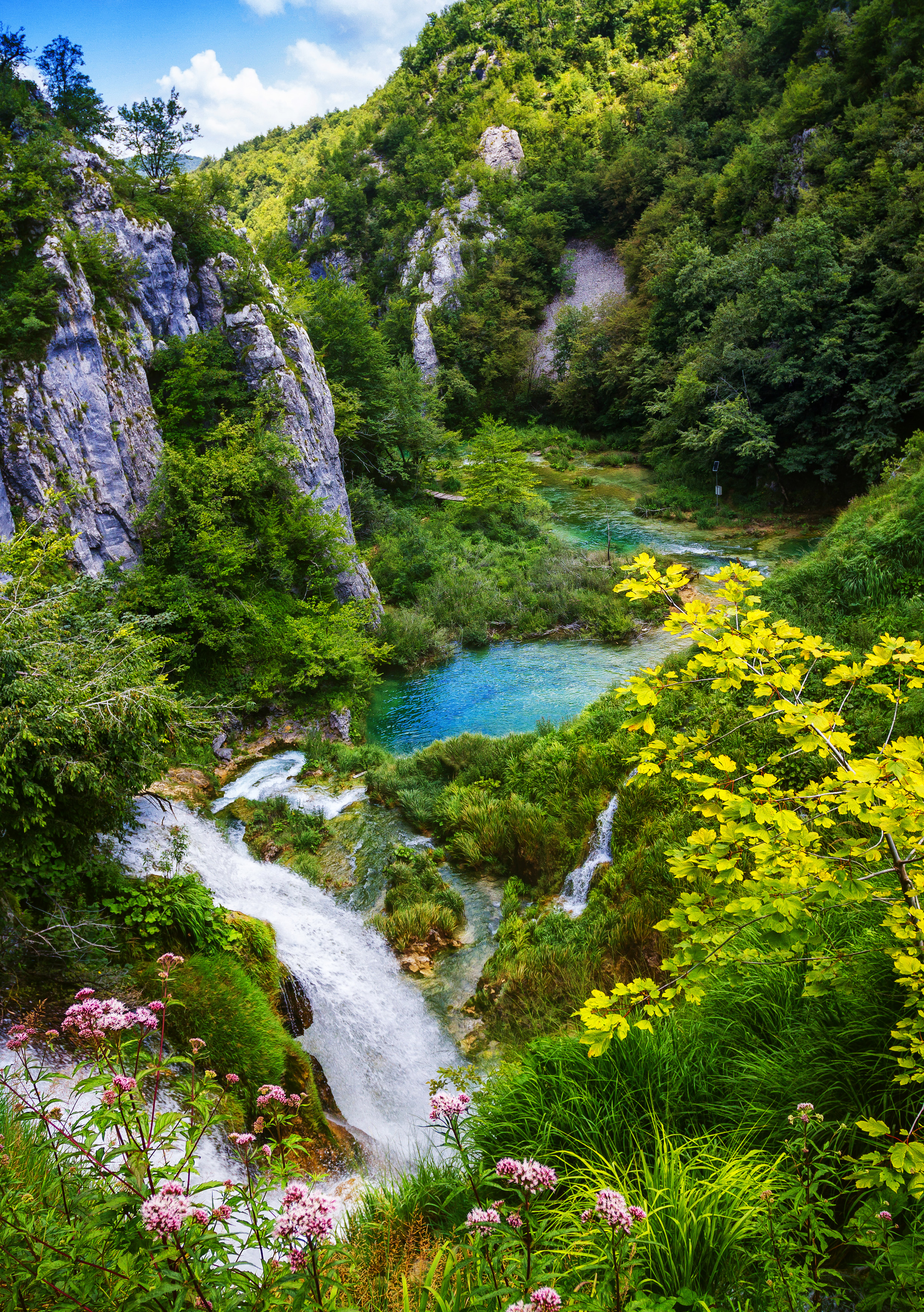
Inland Vis around Komiza
Inland Vis offers a different perspective from the island’s well-known coastal spots. While most visitors focus on the beaches and boat trips, exploring inland reveals a landscape of rolling hills, vineyards, and traditional villages. The area around Komiza is accessible by car or bike, with scenic routes that wind through olive groves and abandoned shepherds’ huts. This region is perfect for those interested in local agriculture, history, and rural life. The terrain is moderate, with some steep sections, but the quietness and authenticity make it worthwhile. Visiting between April and October ensures good weather for outdoor activities. Most travelers spend a day or two here, combining hikes with visits to local taverns serving homemade wine and local specialties. The challenge lies in limited public transport options, so renting a vehicle is recommended. The area is less crowded than the coast, especially outside peak summer months. If you seek a peaceful retreat with cultural depth, inland Vis is a good choice. Be prepared for basic amenities and limited signage, so a GPS or local guide helps. After exploring inland Vis, you can return to the coast or head toward the Goli Otok prison island for a stark historical experience. This inland region rewards those who want to see Croatia’s rural side beyond the beaches.
Lonjsko Polje Wetland
The Lonjsko Polje wetland is a vast, tranquil landscape that offers a glimpse into Croatia’s traditional rural life. Located inland near the Sava River, this UNESCO-listed site is best explored on foot or by small boat, with guided tours available. The wooden houses and traditional farming practices have been preserved for generations, making it a living museum of Croatian heritage. Visiting during spring or early autumn provides the best conditions for birdwatching and walking, as the wetlands are teeming with migratory birds and lush vegetation. The area is accessible by car from Zagreb, with a scenic drive through the countryside. Expect a slow-paced visit, with most activities taking a half or full day. The difficulty is low, but the terrain can be muddy after rain, so waterproof footwear is advised. The wetlands are quiet, especially outside the peak summer months, making it ideal for nature lovers and those interested in ethnography. Entry is free, but guided tours and boat trips cost extra. The community here is small, and most accommodations are basic, so plan accordingly. If you want to experience Croatia’s rural traditions and wetlands, this site offers a peaceful, authentic experience. Afterward, consider visiting nearby villages or returning to Zagreb for urban comforts. The wetland’s serenity makes it a perfect stop for those seeking a slow, nature-focused day.
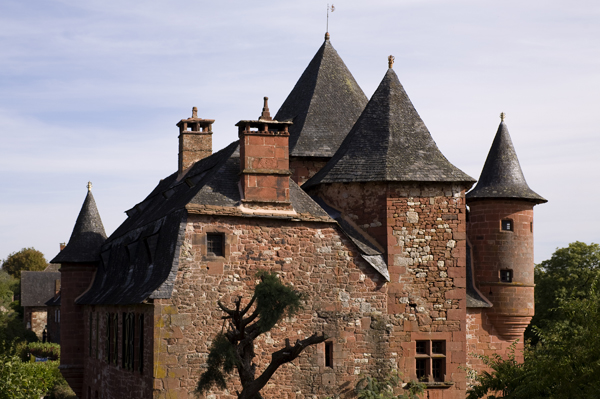


Combining Lastovo and Inland Vis with the Lonjsko Polje Wetland
Routing through Croatia’s off-beat pins requires careful planning due to varied terrain and limited transport options. Lastovo and inland Vis are remote islands with challenging ferry schedules, while Lonjsko Polje offers inland wetlands accessible via rural roads. Consider weather, ferry timings, and vehicle requirements when designing your route to maximize time and minimize backtracking.
Remote Lastovo and inland Vis exploration 7-10 days
Start in Dubrovnik or Split, then take a ferry to Lastovo, known for its rugged coastline and sparse population. Spend 3-4 days exploring the island’s hiking trails, abandoned villages, and secluded coves. Next, ferry to Vis and rent a vehicle to visit inland areas around Komiza, including Goli Otok. This route suits travelers comfortable with ferry schedules and limited services, as ferry frequency varies seasonally. Decide whether to add a day in Vis for inland exploration or skip Goli Otok if time is tight.
Croatia inland wetlands and Lastovo island loop 10-12 days
Begin in Zagreb or Zagreb’s airport, then drive south to Lonjsko Polje wetland, best visited early in the morning or late afternoon to avoid crowds. Allocate 2-3 days for birdwatching and exploring the wooden houses. Afterward, travel to Split and take a ferry or boat to Lastovo, spending 4-5 days on the island. This route involves rural roads and ferry crossings, so plan for seasonal schedules and possible delays. Consider adding a day in Zagreb for cultural visits or resting before heading to the wetlands.
Kombinieren mit
Extend the trip by crossing into neighboring Bosnia and Herzegovina via the Neum corridor for additional inland or coastal exploration, or include a visit to the Kornati islands by boat from Zadar, which offers a different water-based experience with less developed infrastructure.
Practical realities of off-beat travel in Croatia’s remote regions
Reaching Croatia’s lesser-known pins involves navigating seasonal ferry schedules, rural roads, and limited local services. These realities demand flexibility, proper vehicle choice, and awareness of weather conditions, especially when exploring islands like Lastovo or inland wetlands such as Lonjsko Polje.
Ferry-dependent reach
Many pins, including Lastovo and the inland islands, rely on seasonal ferry schedules that can be infrequent or canceled during bad weather. Check ferry timetables well in advance, especially outside peak summer months, and consider renting a boat or arranging private transfers if schedules are limited.
Road closures and seasonal access
Rural roads leading to inland wetlands like Lonjsko Polje may be closed or difficult to access during winter or after heavy rains. A high-clearance or 4WD vehicle is recommended for certain routes, especially when exploring off the main tourist paths.
Vehicle requirements
Remote pins often require a reliable vehicle capable of handling rough terrain or unpaved roads. Avoid small city cars; instead, rent a 4WD or a sturdy campervan if planning to explore inland or island roads with limited maintenance.
Language outside tourist areas
In these remote regions, English may be limited. Learning basic Croatian phrases or having a translation app helps in rural villages or when dealing with local fishermen and farmers. Respect local customs and ask permission before photographing sacred or private sites.
Off-beat Croatia: Key questions for adventurous travelers
1How does exploring Lastovo and inland Vis differ from visiting Croatia’s main tourist spots?
These pins involve navigating limited ferry schedules, rural roads, and fewer amenities. The experience is more self-sufficient, with fewer services and more physical effort. If you prefer comfort and convenience, these may not be suitable for a short trip but reward those seeking solitude and authentic landscapes.
2Is visiting Lastovo worth the detour if I only have 5 days in Croatia?
If your time is limited, a day trip from Dubrovnik or Split is possible but rushed. To truly appreciate Lastovo’s rugged beauty and seclusion, plan at least 2-3 days. Otherwise, focus on mainland highlights and consider a future trip dedicated to these remote islands.
3Can I do these pins solo or with kids, and what should I consider?
Solo travel is feasible but requires self-sufficiency, especially with ferry schedules and rural roads. Traveling with kids demands extra planning for transport, safety, and supplies. Ensure your vehicle is suitable for rough roads and check ferry timings to avoid long waits or missed connections.
4What special gear or vehicle do I need that I can’t rent on the main tourist trail?
A high-clearance or 4WD vehicle is essential for inland routes and some island roads. Bring waterproof gear, sturdy footwear, and navigation tools. Avoid small city cars, as they lack the capacity and durability needed for remote roads and seasonal conditions.
5When planning these pins, how should I sequence to avoid backtracking?
Start with the mainland wetlands like Lonjsko Polje, then proceed to coastal islands such as Lastovo and Vis. Use ferry schedules to your advantage, traveling in a logical loop to minimize crossing back over the same routes. Always check seasonal ferry availability to optimize your itinerary.
Bildnachweise: Foto: Mike McBey / Wikimedia Commons, CC BY 2.0 · Foto: Miroslav.vajdic / Wikimedia Commons, CC BY-SA 4.0 · Foto: Zysko serhii / Wikimedia Commons, CC BY-SA 4.0 · Foto: PMRMaeyaert / Wikimedia Commons, CC BY-SA 4.0 · Foto: © Ralph Hammann - Wikimedia Commons / Wikimedia Commons, CC BY-SA 4.0