


Visit Croatia in June or September for warm sea temperatures around 22°C and fewer crowds compared to July and August.
Croatia’s Adriatic coast is often assumed best in midsummer, but July and August bring intense heat and crowds that limit mobility in Dubrovnik and Split. June offers daytime highs near 25°C with sea temperatures reaching 22°C, while August peaks at 30°C and crowds overwhelm popular sites. Which months balance swim-friendly waters and walkable cities without the summer crush?
Croatia’s climate is Mediterranean along the coast, with hot, dry summers and mild, wet winters. Inland areas, including Zagreb, experience more continental conditions with colder winters and hotter summers. The Adriatic Sea moderates coastal temperatures but also concentrates visitors in summer. Unlike some Mediterranean countries, Croatia’s north-south coastal variation affects rainfall and temperature patterns, making timing crucial for comfort and access.
This guide ranks each month by weather and crowd factors, highlighting clear avoid months and best windows for different traveler profiles. Data is drawn from verified meteorological sources for 2026. The verdict section offers a direct choice between peak summer and shoulder seasons, tailored to budget, activity, and crowd tolerance.
The Bottom Line
For most travelers, especially solo or mid-budget, June and September offer the best balance of weather, price, and crowd levels. July and August suit those prioritizing guaranteed sun and sea warmth but require accepting higher costs and congestion.
Länder monatlich vergleichen
Explore the best travel times for Croatia and other countries with our month-by-month comparison tool at pack-lightly.com.
Quick Facts
- June: 25°C day temp, 22°C sea temp, warm and swim-friendly with manageable crowds
- August: 30°C day temp, peak crowds and highest prices limit comfort
- July-August: peak crowds increase prices by 20-30%, especially in coastal hotspots
- November-February: lowest prices, but sea too cold for swimming and many attractions closed
- Coastal Croatia has Mediterranean climate; inland Zagreb sees colder winters and hotter summers
- Solo female travelers find June and September safer for evening walks with less crowd pressure
- Split’s summer festival in July draws crowds but also sold-out accommodations
- Northern coast tends to be drier in shoulder months than southern Dalmatia
Monthly Weather Overview
| Month | Rating | Day Temp | Night Temp | Sun Hours | Rainfall | Humidity | UV | Crowds |
|---|---|---|---|---|---|---|---|---|
| January | 2★ | 8°C | 0°C | 3 | 60mm | 75% | 2 | Low |
| February | 2★ | 9°C | 1°C | 4 | 50mm | 72% | 3 | Low |
| March | 3★ | 14°C | 4°C | 5 | 40mm | 68% | 4 | Low |
| April | 4★ | 18°C | 7°C | 7 | 30mm | 65% | 5 | Medium |
| May | 4★ | 22°C | 12°C | 9 | 20mm | 60% | 7 | Medium |
| June | 5★ | 25°C | 16°C | 11 | 15mm | 58% | 8 | Medium |
| July | 4★ | 30°C | 20°C | 12 | 5mm | 55% | 9 | Peak |
| August | 3★ | 30°C | 20°C | 11 | 10mm | 57% | 9 | Peak |
| September | 5★ | 25°C | 16°C | 9 | 20mm | 60% | 7 | Medium |
| October | 4★ | 20°C | 12°C | 7 | 40mm | 65% | 5 | Medium |
| November | 2★ | 14°C | 8°C | 4 | 60mm | 70% | 3 | Low |
| December | 2★ | 10°C | 4°C | 3 | 70mm | 75% | 2 | Low |
Beste Reisezeit
Okay
low Andrang · mid
Okay
low Andrang · mid
Okay
low Andrang · mid
Okay
medium Andrang · mid
Ideal
medium Andrang · budget
Ideal
low Andrang · budget
Vermeiden
high Andrang · premium
Vermeiden
high Andrang · premium
Ideal
medium Andrang · mid
Ideal
medium Andrang · mid
Okay
low Andrang · mid
Okay
peak Andrang · premium
Okay
Vermeiden
Monat für Monat
January in Croatia: Cold and Quiet Winter
Skip unless you prefer winter scenery and low prices.
Croatia in January feels stark and serene, especially in Zagreb, where snow may blanket the streets. Daytime temperatures hover around 4°C, making outdoor activities brisk but manageable. This month is ideal for exploring the city’s museums and cafes, though the coastal areas are too cold for swimming. Prices are at their lowest, about 20% cheaper than February, but many attractions may be closed for the season. Most travelers overlook the charm of winter markets and local festivals, which can provide a unique experience. Book accommodations in advance, as some hotels may operate on reduced schedules.
Was das für dich bedeutet
- Expect limited outdoor activities; focus on indoor attractions and local culture.
- Accommodation prices are significantly lower, making it budget-friendly.
- Crowds are minimal, allowing for a peaceful exploration of cities.
Veranstaltungen & Kultur
- Zagreb’s Advent Festival continues into early January, offering festive markets and events.
Profi-Tipp
Visit the Museum of Broken Relationships in Zagreb for a unique cultural experience during quieter days.
February in Croatia: Cold with Fewer Visitors
Skip unless you enjoy winter sports or cultural events.
February maintains the winter chill, especially in northern regions like Zagreb, where temperatures remain around 4°C. The coastal areas are still too cold for swimming, but the scenery is picturesque with occasional snow. This month is perfect for winter sports in the mountains, while cities offer a quieter atmosphere for cultural exploration. Prices remain low, similar to January, but many attractions may still be closed. Travelers often miss out on the local Carnival celebrations, which can be vibrant and engaging. Ensure to check local event calendars for specific dates.
Was das für dich bedeutet
- Ideal for winter sports enthusiasts; ski resorts are open and less crowded.
- Cultural events like Carnival provide unique local experiences.
- Prices remain low, making it a good time for budget travelers.
Profi-Tipp
Check local listings for Carnival events in Rijeka, which can be lively and colorful.

March in Croatia: Transition to Spring
Book this month if you want early spring without crowds.
March marks the transition to spring, with Zagreb starting to thaw and flowers beginning to bloom. Daytime temperatures rise to around 10°C, making it more pleasant for outdoor activities. Coastal areas remain too cold for swimming, but the weather is suitable for hiking and city exploration. Prices are still low, about 10% cheaper than April, and crowds are minimal, allowing for a relaxed experience. Many travelers overlook this month, missing the chance to enjoy the awakening of nature and fewer tourists. Book early for the best rates on accommodations.
Was das für dich bedeutet
- Enjoy pleasant weather for city walks and nature hikes.
- Prices are still low, making it a budget-friendly option.
- Fewer tourists mean less crowded attractions and easier bookings.
Veranstaltungen & Kultur
- International Women’s Day on March 8 is celebrated with various events across the country.
Profi-Tipp
Explore the Plitvice Lakes National Park before the crowds arrive; early spring offers stunning scenery.
April in Croatia: Spring Awakens with More Visitors
Book this month for blooming landscapes and moderate crowds.
April brings vibrant spring colors to Croatia, especially in the countryside and coastal regions. Temperatures rise to around 16°C, making it ideal for outdoor activities and sightseeing. The Adriatic Sea remains too cold for swimming, but hiking and exploring cities are enjoyable. Prices begin to rise, about 10% higher than March, as more tourists start to arrive. Many travelers underestimate the beauty of this month, often waiting until summer for their visit. Plan to book accommodations early, as availability can become limited.
Was das für dich bedeutet
- Perfect for outdoor activities and enjoying blooming landscapes.
- Expect moderate crowds, especially in popular tourist areas.
- Prices are rising, so book accommodations early to secure good rates.
Veranstaltungen & Kultur
- Easter celebrations can impact travel plans; check local events for festivities.
Profi-Tipp
Visit the coastal town of Zadar for its unique Sea Organ and stunning sunsets during this season.
May in Croatia: Ideal Weather and Fewer Crowds
Book this month for pleasant weather and lower prices.
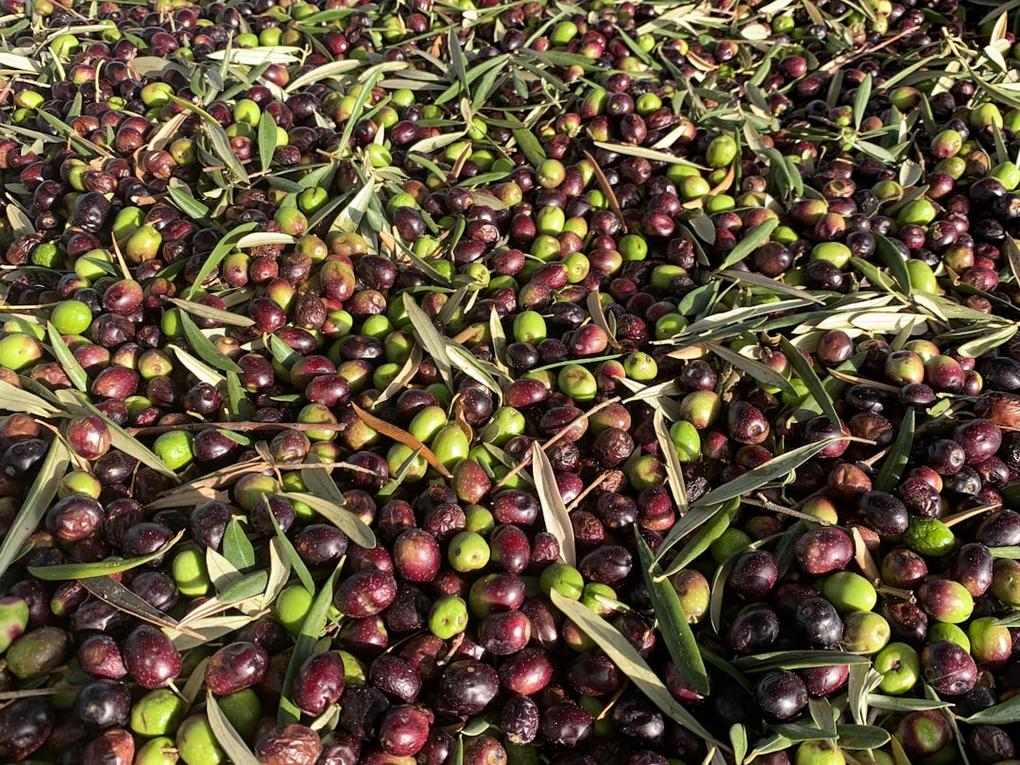
May showcases Croatia’s beauty as spring fully blooms, with temperatures reaching around 21°C. The Adriatic Sea begins to warm, making it suitable for early swimming, while cities are vibrant with outdoor events. Prices remain about 20% lower than peak summer rates, making it a budget-friendly option. Crowds are manageable, around 40% lower than in June, allowing for a more relaxed experience at popular sites. Many travelers overlook May, thinking summer is the only time to visit, but this month offers a perfect balance. Secure accommodations early to take advantage of lower rates.
Was das für dich bedeutet
- Enjoy warm weather ideal for beach days and outdoor activities.
- Lower prices compared to the summer months make it budget-friendly.
- Fewer crowds mean easier access to attractions and accommodations.
Veranstaltungen & Kultur
- May Day on May 1 is celebrated with various local festivities across the country.
Profi-Tipp
Book accommodations in advance for popular coastal towns like Split to ensure availability.
June in Croatia: Perfect for Sun and Sea
Book this month for warm weather and manageable crowds.
June welcomes summer with warm temperatures around 25°C and sea temperatures at 22°C, perfect for swimming. Coastal towns like Dubrovnik and Split begin to buzz with activity, yet crowds are still manageable compared to peak summer months. Prices are about 20% lower than in July and August, making it a great time for budget-conscious travelers. Many visitors underestimate the beauty of early summer, often waiting until July for their trips. Book accommodations early, as availability can become limited as the month progresses.
Was das für dich bedeutet
- Ideal for swimming and beach activities with warm sea temperatures.
- Prices are lower than peak summer, making it budget-friendly.
- Crowds are manageable, allowing for easier exploration of popular sites.
Profi-Tipp
Consider visiting lesser-known coastal towns like Rovinj for a quieter experience during this busy season.

July in Croatia: Peak Summer Crowds
Avoid July unless you thrive in peak summer chaos.
July in Croatia brings sweltering heat with daytime temperatures reaching 30°C and sea temperatures peaking at 24°C. The coastal areas are bustling with tourists, making it challenging to enjoy popular sites like Dubrovnik and Split. Accommodation prices soar, often 20-30% higher than in the shoulder months. While the weather is perfect for beach activities, the congestion can limit your experience. If you prefer a quieter atmosphere, consider visiting in June or September. Book accommodations well in advance to secure a spot in this crowded month.
Was das für dich bedeutet
- Expect high prices and limited availability for accommodations.
- Crowds can make sightseeing uncomfortable, especially in popular cities.
- Plan beach days early to avoid the hottest part of the day.
Veranstaltungen & Kultur
- Split’s summer festival attracts large crowds.
Profi-Tipp
Explore lesser-known beaches to escape the crowds.
August in Croatia: Continued Heat and Crowds
Skip August if you dislike extreme heat and congestion.
August continues the trend of high temperatures, with daytime highs around 30°C and sea temperatures remaining at 24°C. The coastal regions are still packed with tourists, leading to long waits at attractions and busy beaches. Prices remain at their peak, about 20-30% above shoulder season rates. While the weather is ideal for swimming, the heat can be oppressive for sightseeing. Consider visiting in June or September for a more enjoyable experience. Secure your bookings early to avoid last-minute price hikes.
Was das für dich bedeutet
- Expect peak prices for flights and accommodations.
- Crowds are at their highest, especially in tourist hotspots.
- Plan indoor activities during the hottest hours of the day.
Profi-Tipp
Visit smaller coastal towns for a more relaxed atmosphere.
September in Croatia: Ideal for Travelers
Book September for pleasant weather and fewer crowds.
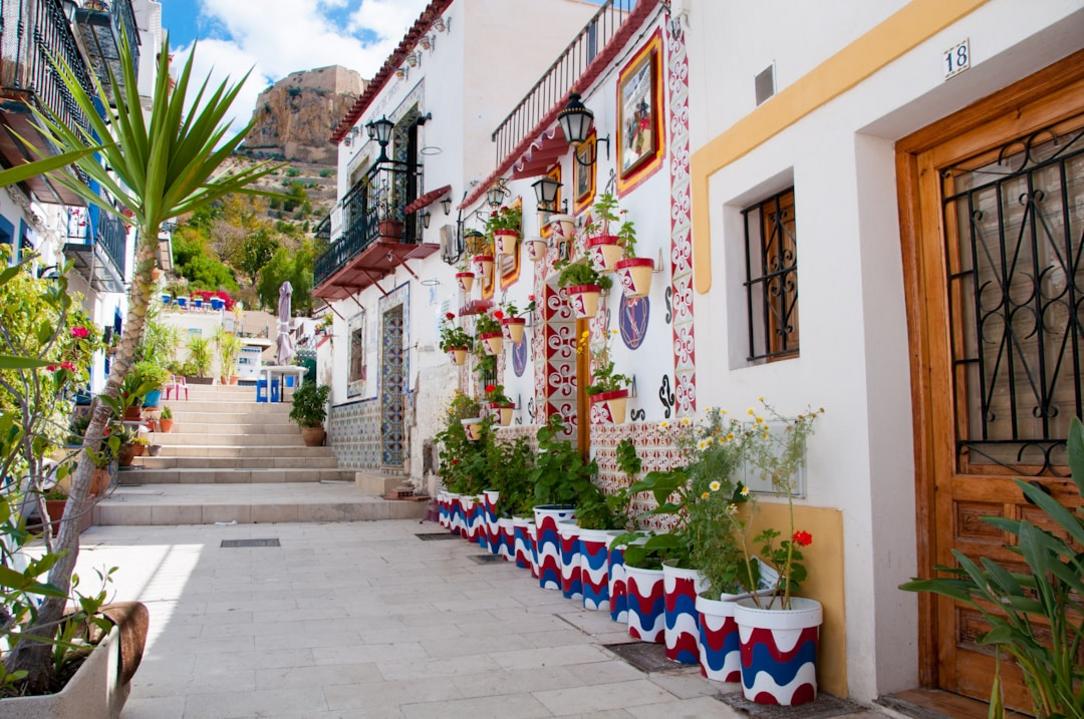
September offers a sweet spot with daytime temperatures around 25°C and sea temperatures at a comfortable 22°C. The crowds begin to thin out, making it easier to explore popular cities like Dubrovnik and Split. Prices drop to about 20% below peak summer rates, providing a budget-friendly option. The weather remains suitable for beach activities, and the atmosphere is more relaxed. This month is perfect for those seeking a balance of good weather and accessibility. Book accommodations early to secure the best deals.
Was das für dich bedeutet
- Enjoy lower prices on flights and accommodations.
- Crowds are 40-60% lower than in July and August.
- Ideal conditions for both beach and city exploration.
Profi-Tipp
Take advantage of local harvest festivals for unique experiences.
October in Croatia: Autumn Colors and Mild Weather
Visit in October for beautiful fall scenery and fewer tourists.
October sees a drop in temperatures, averaging around 20°C, making it a pleasant time for outdoor activities. The coastal areas remain accessible, but the sea temperature starts to cool down. Prices are generally lower than in the summer months, making it a cost-effective option. While some attractions may begin to close for the season, the autumn colors provide a stunning backdrop for exploration. This month is ideal for those who prefer a quieter experience. Book ahead to ensure availability in popular areas.
Was das für dich bedeutet
- Expect moderate prices, about 10-15% lower than September.
- Fewer tourists allow for a more relaxed exploration of cities.
- Ideal for hiking and enjoying nature’s autumn colors.
Veranstaltungen & Kultur
- Zagreb hosts various cultural festivals throughout the month.
Profi-Tipp
Explore national parks for breathtaking fall foliage.
November in Croatia: Quiet and Cool
Avoid November unless you enjoy low prices and winter scenery.
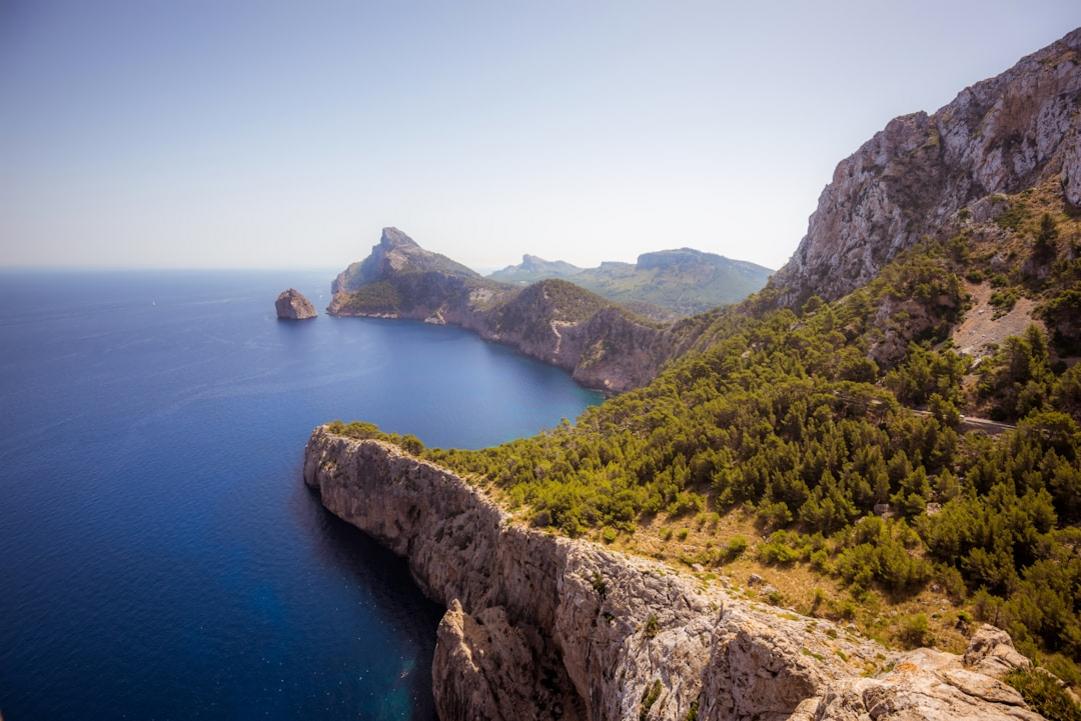
November brings cooler temperatures, averaging around 10°C, and many attractions begin to close for the winter season. While prices are at their lowest, about 20% cheaper than October, the weather may limit outdoor activities. Coastal areas are too cold for swimming, but city exploration can be enjoyable with fewer crowds. This month is ideal for budget travelers seeking a quiet experience. Book accommodations in advance, as some may operate on reduced schedules.
Was das für dich bedeutet
- Expect the lowest prices of the year, ideal for budget travelers.
- Limited outdoor activities; focus on indoor attractions.
- Crowds are minimal, allowing for peaceful exploration.
Veranstaltungen & Kultur
- Zagreb’s Advent preparations begin, with festive markets.
Profi-Tipp
Visit local museums for a cultural experience during quieter days.
December in Croatia: Festive Atmosphere
Consider December for holiday festivities and winter charm.
December in Croatia offers a festive atmosphere, especially in cities like Zagreb, where holiday markets come alive. Daytime temperatures hover around 4°C, making it chilly but manageable for outdoor events. Prices are higher due to holiday demand, often reaching premium levels. While swimming is not an option, the cultural experiences and decorations provide a unique charm. This month is perfect for those who enjoy holiday festivities. Book accommodations early to secure a spot during this busy season.
Was das für dich bedeutet
- Expect higher prices due to holiday demand.
- Enjoy a festive atmosphere with various holiday events.
- Limited outdoor activities; focus on cultural experiences.
Veranstaltungen & Kultur
- Zagreb’s Advent Festival features markets and events.
Profi-Tipp
Try local holiday treats at the markets for a taste of Croatian culture.
What Makes Croatia’s Climate Different
- The northern coast, including Rijeka, tends to be drier in June and September compared to the southern Dalmatia region, which can experience more rain during these months.
- The peak summer months of July and August see a significant influx of tourists, especially in Dubrovnik and Split, leading to accommodation prices increasing by 20-30%.
- Many national parks, such as Plitvice Lakes, are more accessible in June and September, while some trails may close in winter due to snow.
- Ferry routes between islands may have limited schedules in the off-season (November to March), impacting island-hopping plans.
Who Should Go When
The Coastal Explorer
Visit in June for warm weather and fewer crowds along the coast.
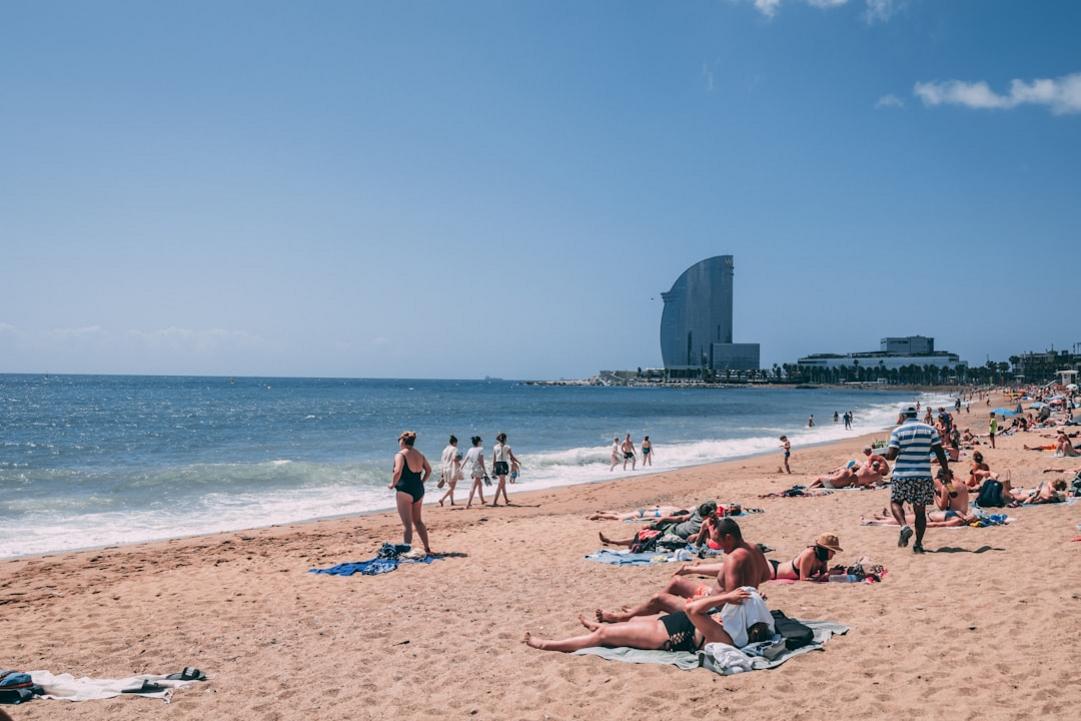
- Enjoy swimming in the sea with temperatures around 22°C and daytime highs of 25°C.
- Explore Dubrovnik’s Old Town with 40-60% fewer tourists compared to peak summer.
- Book accommodations early to secure better rates, which are about 20% lower than in July.
- Take advantage of local festivals that start in June, enhancing the cultural experience.
The Autumn Wanderer
September offers warm weather and a quieter atmosphere for city exploration.
- Experience pleasant temperatures around 25°C, ideal for both beach days and city walks.
- Crowds are significantly reduced, making it easier to visit popular sites like Diocletian’s Palace.
- Accommodation prices remain about 20% lower than in July and August, making it budget-friendly.
- Solo female travelers will find the streets safer and more navigable in September.
The Summer Sun-Seeker
July is perfect for those prioritizing guaranteed sun and vibrant beach life.
- Expect peak temperatures of 30°C, ideal for sunbathing and swimming in the Adriatic.
- Join the lively summer festivals in Split, but be prepared for sold-out accommodations.
- Book flights and hotels well in advance to avoid price surges of 20-30% during this peak season.
- Be mindful of the heat; plan outdoor activities for early morning or late afternoon.
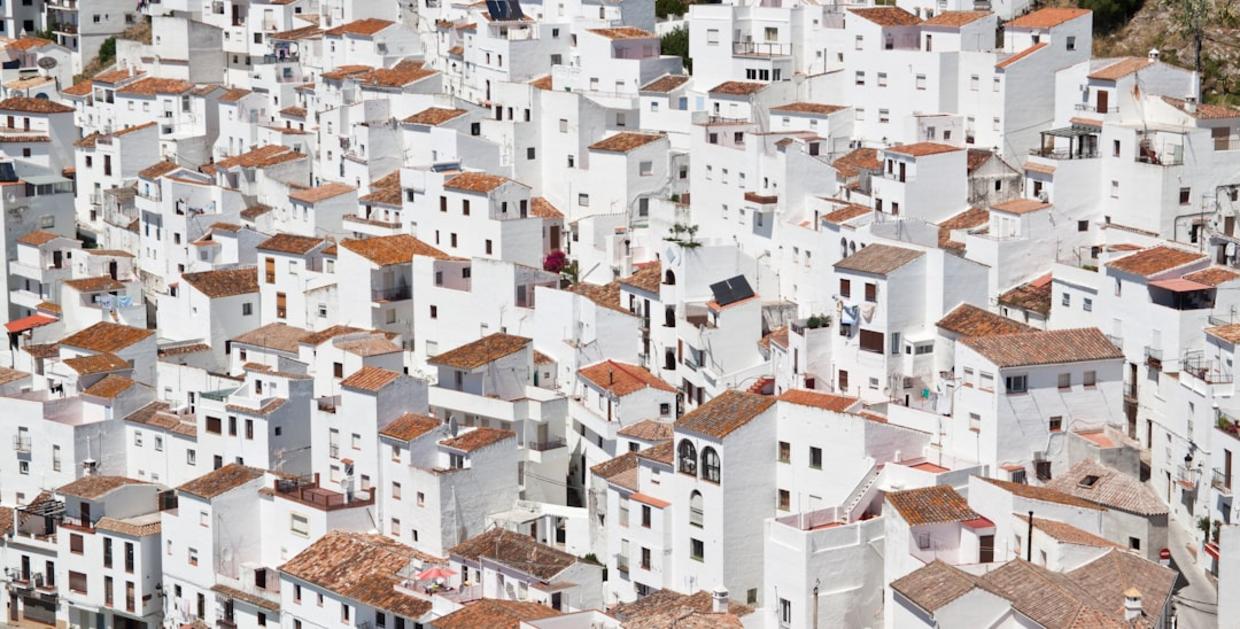
Insider-Tipp
Book accommodations in Split for late June to enjoy the city’s summer festival without the peak crowd pressure. Prices remain about 20% lower than in July, and the weather is perfect for both beach and city exploration.
Frequently Asked Questions
1Are the islands accessible in November?
Many ferry routes to the islands close in November, limiting access to popular destinations like Hvar and Korčula.
2How much cheaper is Croatia in September compared to July?
Accommodation and flight prices in September are typically about 20% lower than in July, making it a more budget-friendly option.
3What are the risks of visiting Croatia in August?
August brings peak crowds and prices, with accommodation rates 20-30% higher than in shoulder months, making sightseeing less enjoyable.
4Does the climate vary significantly between coastal and inland areas?
Yes, coastal areas like Split experience a Mediterranean climate, while inland cities like Zagreb have colder winters and hotter summers.
5When is the best time for hiking in national parks?
June and September are ideal for hiking in national parks, as trails are open and temperatures are comfortable for outdoor activities.
6Is it advisable to visit Dubrovnik in early June?
Yes, early June is a great time to visit Dubrovnik, with warm weather and significantly fewer tourists compared to July and August.
Bildnachweise: Foto: OrionCro / Wikimedia Commons, CC BY-SA 4.0