


Verlasse die ausgetretenen Pfade Italiens und tauche ein in eine Welt, in der die Landschaft und Geschichte noch unberührt scheinen. Hier sind die bekannten Sehenswürdigkeiten nur der Anfang, während du auf weniger frequentierten Wegen unterwegs bist, die dich zu echten Geheimnissen führen.
In diesen abgelegenen Ecken findest du zerfallene Dörfer auf Klippen, schwarze Inseln im Mittelmeer und uralte Bauwerke, die von einer anderen Zeit erzählen. Orte wie Civita di Bagnoregio, Pantelleria und die versteckten Pfade rund um Alberobello warten darauf, entdeckt zu werden.
Off-the-beaten-path in Italien bedeutet, abgelegene Orte wie Civita di Bagnoregio, Pantelleria und die versteckten Trulli-Dörfer zu erkunden, die abseits der Touristenströme liegen.
- Civita di Bagnoregio bietet eine zerfallene, aber beeindruckende Stadt auf einer Klippe, die nur zu Fuß erreichbar ist.
- Pantelleria ist eine vulkanische Insel mit schwarzen Stränden und einzigartigen Wasserquellen, ideal für Naturliebhaber.
- Die Trulli von Alberobello sind einzigartige Steinhäuser, die nur in dieser Region zu finden sind und eine faszinierende Baukunst zeigen.
Alle Orte auf der interaktiven Karte sehen
Nach Land filtern, in jeden Pin hineinzoomen und die Route mit dem Pack Lightly Länderkarten-Tool planen.
Was macht Italiens versteckte Seiten so einzigartig?
Italiens off-the-beaten-path zeigt eine andere Seite des Landes: weniger Touristen, authentische Kulturen und beeindruckende Landschaften, die nur wenige kennen. Diese Orte sind für Reisende, die das echte Italien abseits der Massen suchen, unverzichtbar.
- Civita di Bagnoregio ist eine zerfallene Stadt auf einer schmalen Klippe, die nur zu Fuß erreichbar ist und eine einzigartige Atmosphäre bietet.
- Pantelleria, die schwarze Insel, beeindruckt mit vulkanischer Geologie, heißen Quellen und einsamen Stränden, perfekt für Naturliebhaber und Entdecker.
- Die Trulli in Alberobello sind eine architektonische Besonderheit, die nur in dieser Region vorkommen und tief in die lokale Geschichte eintauchen lassen.

Off-the-Beaten-Path in Italy: Civita di Bagnoregio and Pantelleria
This curated selection explores lesser-known Italian destinations that reveal the country’s authentic character. Civita di Bagnoregio, perched on a crumbling hilltop, offers a glimpse into medieval Italy, while Pantelleria, a volcanic island in the Mediterranean, provides a rugged, natural escape. These spots are ideal for travelers seeking unique experiences away from crowded tourist routes, with a focus on history, geology, and remote island life.
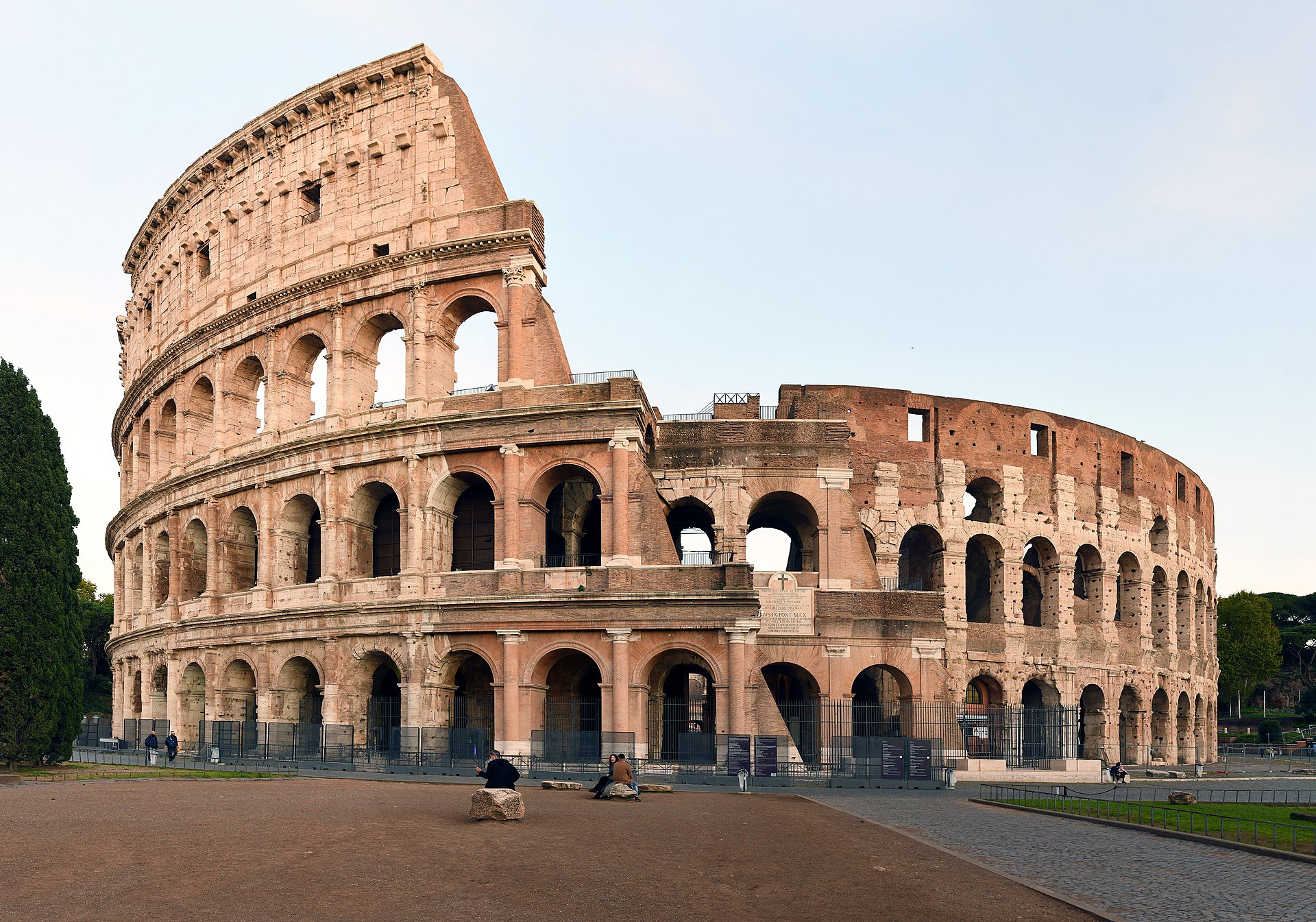
Civita di Bagnoregio
Arriving at Civita di Bagnoregio feels like stepping into a forgotten world. The village sits atop a fragile hill of volcanic tuff, slowly eroding under centuries of weather and time. Its narrow stone streets wind through ancient houses, leading to panoramic views of the surrounding valley. This town’s appeal lies in its dramatic setting and well-preserved medieval architecture, making it a favorite for those who appreciate history and landscape. The journey here involves a 30-minute drive from Orvieto, followed by a steep pedestrian bridge crossing the valley. Visiting outside peak season, from April to June or September to October, ensures fewer crowds and better light for photography. Expect a half-day stop; the village is small but packed with charm. The terrain is uneven, so sturdy shoes are essential, and accessibility is limited due to its historic stone pathways. Entry is free, but parking in Bagnoregio costs around 3 euros per hour, and the bridge is open from dawn to dusk. If you seek a quiet, contemplative experience amid Italy’s volcanic landscape, Civita di Bagnoregio is worth the effort. Be prepared for limited amenities and plan a meal in nearby Bagnoregio or Orvieto afterward. For those with more time, combining this visit with nearby towns enhances the trip. This spot rewards travelers interested in geology, history, and stunning vistas, especially if you prefer to avoid the summer crowds. Expect the landscape to change gradually as erosion continues, so check current access conditions before visiting. Was sich ändern kann: April 2024.

Pantelleria
Pantelleria stands out as Italy’s volcanic island in the Mediterranean, offering a raw, windswept landscape shaped by eruptions and seismic activity. Its black volcanic rocks contrast sharply with the azure sea, creating a striking scenery that appeals to adventurous travelers. The island’s remote location means most visitors arrive by ferry from Sicily or Trapani, with schedules limited outside the summer months. Once on Pantelleria, explore its rugged coastlines, natural hot springs, and ancient dammusi-traditional stone houses built for resilience against the wind. The island’s best months are May to October, when weather is warm and ferry services are more frequent. Expect at least a one-night stay to enjoy the thermal springs and scenic drives around the island. The terrain is challenging, with steep cliffs and unpaved roads; a 4WD vehicle is recommended. Ferry costs vary but typically start around 50 euros one-way, and accommodation can be modest but authentic. Visiting in low season, from November to April, means fewer tourists but also limited ferry options and some attractions closing. Pantelleria rewards those seeking solitude, natural beauty, and volcanic geology. It’s ideal for travelers prepared for a remote, water-paced experience and who want to escape the crowded islands. Keep in mind that water and power supplies are limited in some areas, so plan accordingly. Expect the landscape to shift with seasonal winds and weather patterns, so check ferry schedules before planning your trip. Was sich ändern kann: Mai 2024.
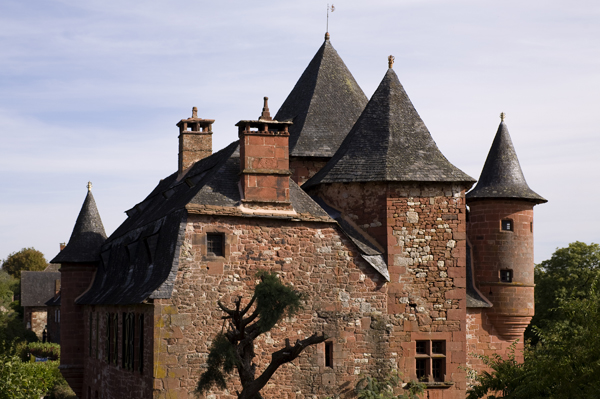


Planning Your Off-Beat Journey Through Italy’s Volcanic and Stone South
Routing through Italy’s lesser-known volcanic islands and stone villages presents logistical challenges due to remote access, limited transportation options, and seasonal weather. Combining pins requires careful timing and vehicle choices. Consider the geographic spread from Civita di Bagnoregio to Pantelleria and how ferry schedules or driving conditions influence your route. Planning ahead ensures you avoid dead-ends and maximize your experience.
Civita di Bagnoregio and Surroundings in Lazio 4-6 days
Begin in Lazio with Civita di Bagnoregio, exploring its crumbling clifftop charm. Allocate a day for the town and a day for nearby villages or natural parks. Travel by car or regional train to reach the area, but note that narrow roads and limited parking can slow progress. Decide whether to include nearby Orvieto or skip to the southern regions. The key decision is whether to rent a car for flexibility or rely on regional buses, which run infrequently. This route suits those comfortable with rural driving and limited public transit options.
Pantelleria and the Stromboli Volcano Village in Sicily and Calabria 7-10 days
Start on Pantelleria, reachable by ferry from Sicily or Trapani, and spend 3-4 days exploring its volcanic landscapes, thermal springs, and unique dammusi architecture. From Pantelleria, take a ferry or a short flight to Sicily, then arrange a boat or helicopter transfer to Stromboli. Allocate 2-3 days for Stromboli’s active volcano and village life. Ferry schedules are seasonal and weather-dependent, so plan for possible delays. The main challenge is coordinating ferry and flight timings; booking in advance is essential. This route is ideal for travelers prepared for maritime logistics and variable weather conditions.
Kombinieren mit
Extend your trip across Italy’s borders by crossing into Malta via Sicily, or head north to Tuscany’s hill towns. For seamless travel, consider combining ferry routes with regional train connections, but always check seasonal schedules and weather windows. If you prefer less hassle, focus on Italy’s volcanic south and stone villages, as crossing borders adds complexity and potential delays.
Practical Realities of Reaching Italy’s Remote Volcanic and Stone Pins
Accessing Italy’s off-the-beaten-path volcanic islands and stone villages demands specific planning. Remote locations often lack direct transport links, and seasonal factors heavily influence travel options. Prepare for limited infrastructure, variable ferry schedules, and the need for flexible planning to avoid getting stranded or delayed.
Ferry-dependent reach
Many pins, like Pantelleria and Stromboli, rely on seasonal ferries or boats. Ferry schedules vary by season, weather, and demand, especially in winter. Always verify departure times and book tickets early. In bad weather, ferries may be canceled, so have a backup plan such as flights or alternative routes. Expect delays and limited options outside peak season, which can extend travel times significantly.
Vehicle requirements
Remote pins often require a rental car or 4WD, especially for navigating narrow, winding roads or unpaved paths. Pantelleria’s volcanic terrain and Stromboli’s access roads demand a capable vehicle. Book your rental well in advance, and check if your insurance covers off-road driving. Do not attempt these routes without proper vehicle preparation, as roadside assistance may be scarce.
Road closures and seasonal access
Many roads to these pins are seasonal or prone to washouts in winter. Stromboli’s access roads can be blocked by volcanic ash or weather conditions. In winter, some routes may be impassable, so plan your trip during late spring to early autumn. Always check local updates before departure, and consider hiring local guides for difficult sections.
Language outside the tourist track
In remote villages and on islands, English is rarely spoken outside tourist hubs. Basic Italian phrases and patience are essential. Respect local customs, especially in sacred sites or traditional communities. Learning a few key words can facilitate interactions and help avoid misunderstandings during off-beat adventures.
Questions About Off-Beat Travel in Italy’s Volcanic and Stone South
1How does this off-beat loop differ from doing Italy’s main highlights?
This route takes you away from crowded cities and popular tourist spots, focusing on remote volcanic islands and ancient stone villages. Expect fewer visitors, authentic local life, and challenging logistics. The experience rewards travelers seeking solitude, natural beauty, and cultural depth, but requires more planning and flexibility due to limited transport options.
2Is Pantelleria worth the detour if I only have 5 days in Italy?
If you are interested in volcanic landscapes, thermal springs, and unique dammusi architecture, Pantelleria is worth the extra effort. However, with only five days, consider whether you can include a ferry or flight connection without rushing. For a shorter trip, focus on the mainland’s stone towns and skip the island if logistics seem too tight.
3Can these pins be done solo or with kids, what changes?
Solo travel offers flexibility, especially on remote islands with limited services. With kids, prepare for longer travel times, limited amenities, and variable ferry schedules. Bring necessary supplies, and choose accommodations with family-friendly facilities. Always check local safety advice, especially around volcanic areas and unpaved roads.
4What gear or vehicle do I actually need that I can’t rent on the main tourist trail?
A capable 4WD vehicle is essential for navigating unpaved or steep roads on Stromboli and Pantelleria. Bring sturdy hiking gear for volcanic terrains and weatherproof clothing, especially if visiting in shoulder seasons. Standard rental cars may not suffice for rougher routes, so specify your needs when booking.
5How do I sequence the pins to minimize backtracking?
Start on the mainland with Civita di Bagnoregio, then head south to Sicily for Pantelleria. From there, take a ferry or flight to Stromboli before returning via Sicily or mainland Italy. Planning ferry and flight schedules in advance helps avoid unnecessary detours. Always check seasonal availability to optimize your route.
Bildnachweise: Foto: Mike McBey / Wikimedia Commons, CC BY 2.0 · Foto: FeaturedPics / Wikimedia Commons, CC BY-SA 4.0 · Foto: Bruno Rijsman / Wikimedia Commons, CC BY-SA 2.0 · Foto: PMRMaeyaert / Wikimedia Commons, CC BY-SA 4.0 · Foto: © Ralph Hammann - Wikimedia Commons / Wikimedia Commons, CC BY-SA 4.0