28 min read • Last update: February 2026
Peking vereint historische Pracht mit modernem Leben. Die Stadt pulsiert mit Kultur, Tradition und Innovation.
Diese Liste hilft dir, die besten Orte in Peking zu entdecken und deinen Aufenthalt optimal zu gestalten.
Key Takeaways
- Historische Stätten dominieren, aber moderne Attraktionen sind ebenfalls stark vertreten.
- Die meisten hoch bewerteten Orte befinden sich in der Innenstadt, was die Planung erleichtert.
- Die Verbotene Stadt ist der älteste und am höchsten bewertete Ort.
- Praktische Aspekte wie Dresscode sind wichtig, besonders bei Tempelbesuchen.
- Die beste Besuchszeit ist früh am Morgen, um Menschenmengen zu vermeiden.
- Einige Orte haben saisonale Schließungen, daher ist eine vorherige Überprüfung ratsam.
- Plan B: Bei Überfüllung besuche weniger bekannte, aber ähnliche Attraktionen in der Nähe.
Quick menu
Karte von Peking
147 ausgewählte Orte. Filtere nach Kategorie oder Reisetyp, tippe auf einen Pin oder einen Listeneintrag für die vollständige Beschreibung, und speichere die Karte auf deinem Handy.
Alle 147 Orte
- VerkehrThe huge starfish-shaped Zaha Hadid airport that opened in 2019, 46km south of the center and now a major hub for many international and domestic flights. The Daxing Airport Express links it to Caoqiao on subway line 19 in about 20 minutes, and a high-speed train reaches Beijing West in around 30 minutes. Gut für: Backpacker, Paare, Familien, Ältere Reisende, Digitale Nomaden
- VerkehrThe historic central station inside the old city, handling many conventional long-distance services and trains toward the northeast and to Mongolia and Russia. It is right on subway line 2, so it is the most central of the big stations and an easy arrival point. Gut für: Backpacker, Paare, Familien, Ältere Reisende
- PraktischThe leading international private hospital in Beijing, with English-speaking doctors, Western-standard care and a 24-hour emergency department, long the default for expats and travelers. It handles everything from minor travel ailments to serious emergencies and accepts international insurance. Gut für: Backpacker, Paare, Familien, Ältere Reisende, Digitale Nomaden
- PraktischThe pharmacy attached to the International SOS clinic in the Sanlitun embassy district, stocking Western-brand medicines and able to fill prescriptions with English-speaking staff, a relief when local pharmacies carry unfamiliar Chinese brands and labeling. Gut für: Backpacker, Paare, Familien, Ältere Reisende, Digitale Nomaden
- VerkehrOne of Asia’s largest railway stations, in the west of the city, handling high-speed and conventional trains toward the south and west, including services to Xi’an, Guangzhou and Hong Kong. Gut für: Backpacker, Paare, Familien, Ältere Reisende
- VerkehrOne of the main transport interchanges in northeast Beijing, linking the subway, the airport express line, and long-distance buses. Gut für: Backpacker, Familien
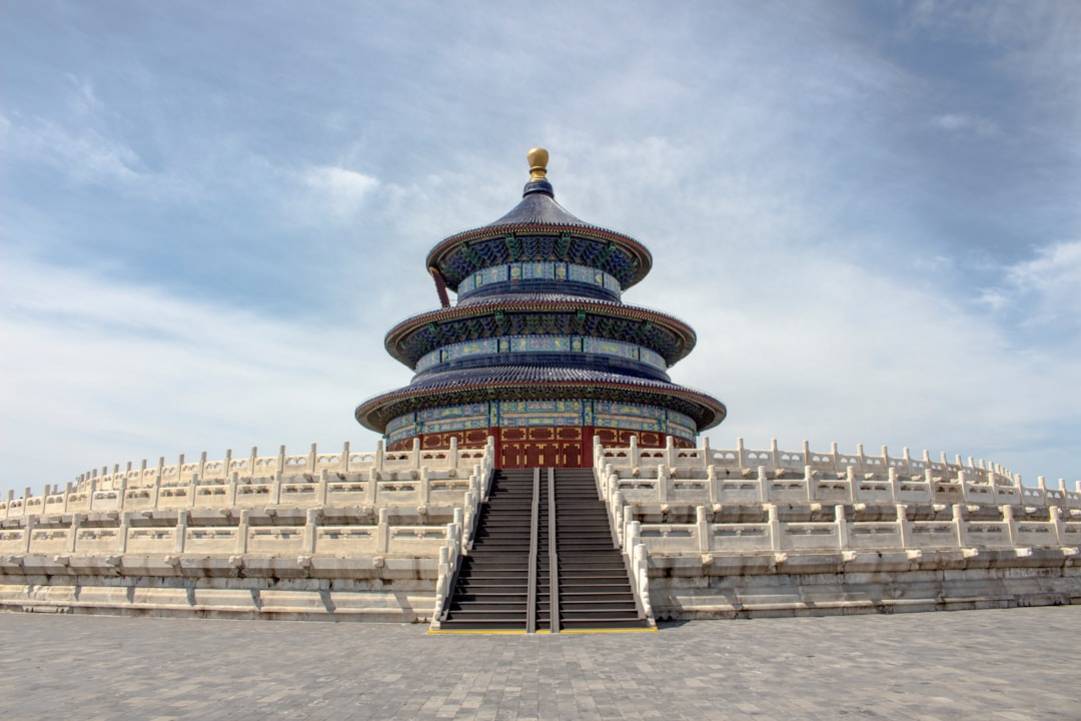
- SehenswürdigkeitenA masterpiece of Ming ritual architecture set in a huge park, where emperors performed annual harvest sacrifices. The circular, triple-eaved Hall of Prayer for Good Harvests, built without a single nail, is one of China’s most photographed buildings. Gut für: Backpacker, Paare, Familien, Ältere Reisende
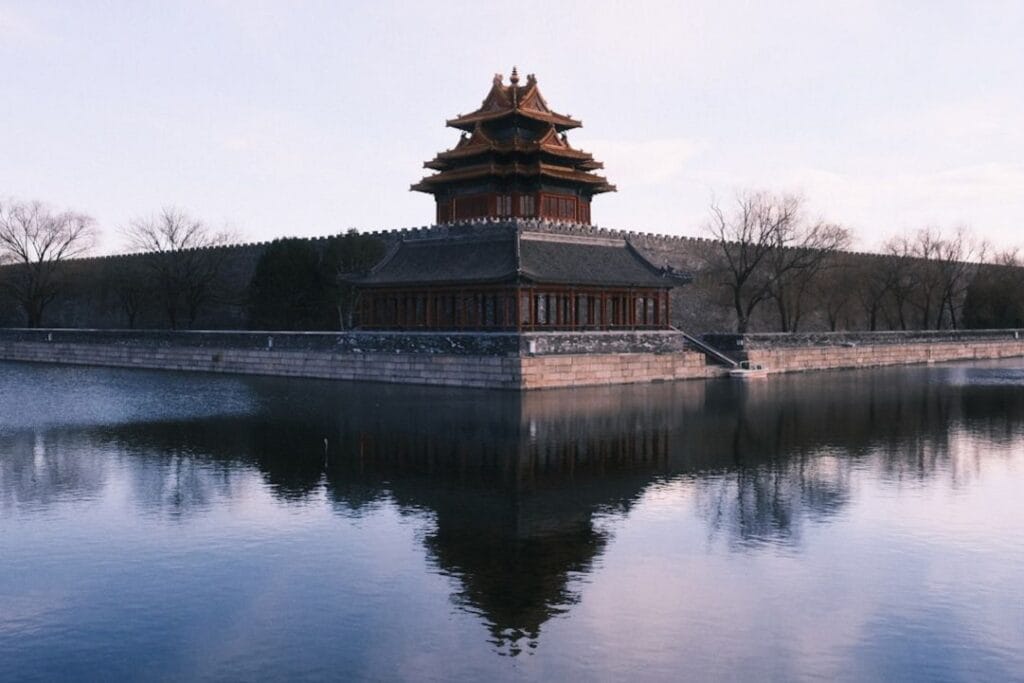
- SehenswürdigkeitenThe vast imperial palace at the heart of Beijing, home to twenty-four emperors of the Ming and Qing across five centuries, and the world’s largest surviving wooden palace complex. Walking its central axis through the great courtyards and throne halls is the defining Beijing experience. Gut für: Backpacker, Paare, Familien, Ältere Reisende
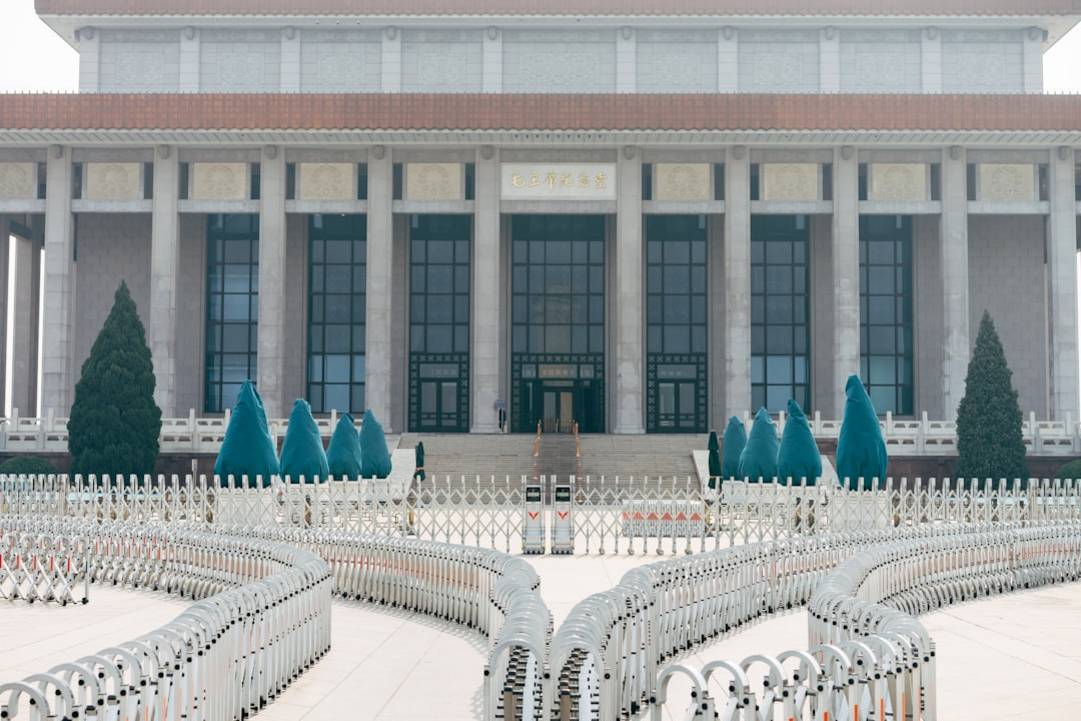
- SehenswürdigkeitenThe monumental public square at the center of the capital, flanked by the Great Hall of the People, the National Museum and Mao’s Mausoleum, with the Tiananmen Gate portrait of Mao to the north. It is enormous, symbolic and heavily secured. Gut für: Backpacker, Paare, Familien, Ältere Reisende
- SehenswürdigkeitenOne of the largest museums in the world, lining the east side of Tiananmen Square, with a staggering sweep of Chinese history from prehistoric bronzes and jades to dynastic treasures and modern displays. The Ancient China galleries alone justify a visit, holding some of the country’s finest archaeological pieces. Gut für: Paare, Familien, Ältere Reisende
- SehenswürdigkeitenA sleek, modern museum dedicated to the history and folk culture of Beijing itself, well-curated and refreshingly uncrowded. Highlights include Ming and Qing porcelain, Buddhist statuary and an evocative recreation of old Beijing hutong life that brings the city’s past into focus. Gut für: Paare, Familien, Ältere Reisende
- SehenswürdigkeitenThe long, graceful stone bridge linking the eastern shore of Kunming Lake to South Lake Island inside the Summer Palace, lined with hundreds of carved stone lions. Gut für: Backpacker, Paare
- NaturThe ruined imperial garden looted and burned by Anglo-French troops in 1860, now a haunting landscape of toppled carved-stone columns among lakes and lotus ponds in the northwest. More park than palace, and a charged patriotic site for Chinese visitors. Gut für: Paare, Familien, Ältere Reisende
- SehenswürdigkeitenThe grand burial complex of thirteen Ming emperors in the hills northwest of Beijing, approached via the Sacred Way, a ceremonial avenue lined with giant stone animals and officials. The standout stops are the Sacred Way for its statuary and Dingling, the only excavated underground tomb you can descend into. Gut für: Backpacker, Paare, Familien, Ältere Reisende
- SehenswürdigkeitenA rare survivor: a Ming-era astronomical observatory on the old city wall near Jianguomen, its rooftop terrace crowded with ornate bronze astronomical instruments built by Jesuit missionaries for the Qing court. Gut für: Backpacker, Paare, Familien, Ältere Reisende
- SehenswürdigkeitenThe most magnificent Tibetan Buddhist temple in Beijing, a former imperial palace turned lamasery, with a sequence of incense-filled halls leading to an eighteen-meter Maitreya Buddha carved from a single sandalwood trunk. The atmosphere of devotion, with worshippers waving smoking incense, is genuine and moving. Gut für: Backpacker, Paare, Familien, Ältere Reisende
- SehenswürdigkeitenA vivid, slightly eerie Taoist temple near the Workers‘ Stadium, dedicated to the god of Mount Tai and famous for its Department of Underworld, dozens of small rooms filled with life-size painted statues depicting the bureaucratic afterlife. Gut für: Backpacker, Paare, Familien, Ältere Reisende
- SehenswürdigkeitenA small but exceptional private museum near Dongsishitiao, famous for its ancient Chinese bronzes and for repatriating several of the looted bronze zodiac animal heads from the Old Summer Palace fountain. Gut für: Paare, Familien, Ältere Reisende
- SehenswürdigkeitenA compact imperial park directly north of the Forbidden City, built from earth excavated for the palace moat, crowned by a hilltop pavilion that delivers the single best view in Beijing: the entire golden-roofed Forbidden City laid out below. Gut für: Backpacker, Paare, Familien, Ältere Reisende
- Essen & TrinkenThe modern face of Peking duck. Da Dong pioneered a leaner, less greasy bird with shatteringly crisp skin, plated like fine dining and served with the usual pancakes, scallion and sweet bean sauce plus a tin of sugar for the skin. Gut für: Backpacker, Paare, Familien, Ältere Reisende
- Essen & TrinkenLocals‘ favorite for honest, well-priced Peking duck a short walk from Tiananmen. The Qianmen branch has views toward the Forbidden City from upper floors and consistently good roasting. Gut für: Backpacker, Paare, Familien, Ältere Reisende
- Essen & TrinkenA duck institution tucked deep in a Qianmen hutong, run by the same family for decades in a cramped courtyard home. The setting is rustic and the alley approach is half the fun. Gut für: Backpacker, Paare, Familien, Ältere Reisende
- Essen & TrinkenThe most famous time-honored Peking duck brand, founded 1864, roasting in an open hung oven for a darker, glossier skin. The Qianmen flagship is touristy and pricey, and purists argue the food has coasted on the name, but the carving ceremony and history are part of Beijing canon. Gut für: Backpacker, Paare, Familien, Ältere Reisende
- Essen & TrinkenThe oldest duck house in Beijing, tracing to 1416, and the home of the closed-oven method. Where Quanjude hangs ducks over open flame, Bianyifang roasts them sealed, giving softer, juicier skin and meat that stays tender. Gut für: Backpacker, Paare, Familien, Ältere Reisende
- Essen & TrinkenManchu imperial cuisine in a dim, lantern-lit room styled like a Qing courtyard. The kitchen revives palace recipes from a royal physician’s family, with signatures like slow-braised venison, ox tail and clay-pot dishes that lean savory and aromatic rather than spicy. Gut für: Backpacker, Paare, Familien, Ältere Reisende
- Essen & TrinkenA three-floor Lijiang-themed spot serving the food of Yunnan, China’s most diverse culinary province, with staff in ethnic-minority dress. Expect Dai, Naxi and Bai dishes: pineapple rice, lemongrass-wrapped roast fish, mushroom hotpots in season and Shangri-La dried beef. Gut für: Backpacker, Paare, Familien, Ältere Reisende
- Essen & TrinkenThe canteen of Sichuan’s provincial Beijing office, opened to feed homesick officials and now a Michelin Bib Gourmand for cheap, ferocious, authentic Sichuan. The setting is plain government-building lino, the food is the real numbing-spicy deal: mapo tofu, twice-cooked pork, water-boiled fish, dan dan noodles. Gut für: Backpacker, Paare, Familien, Ältere Reisende
- Essen & TrinkenOld Beijing fried-sauce noodles done with theater. Hai Wan Ju serves zhajiangmian, hand-pulled wheat noodles topped with a dark fermented-soybean and pork sauce plus a rainbow of shredded vegetables, and the waiters shout the order in unison when your bowl lands. Gut für: Backpacker, Paare, Familien, Ältere Reisende
- Essen & TrinkenThe crayfish king of Ghost Street, the round-the-clock food strip on Dongzhimen Inner Street where red lanterns glow until 4am. Huda built its reputation on mala xiao long xia, Sichuan-spiced crayfish eaten by the kilo with plastic gloves and cold beer. Gut für: Backpacker, Paare, Familien, Ältere Reisende
- Essen & TrinkenBeijing-style instant-boiled mutton hotpot since 1903, served from gleaming cloisonne copper pots heated by charcoal. Donglaishun is about precision: paper-thin hand-sliced lamb swished in clear broth for seconds, then dipped in a sesame-paste sauce. Gut für: Backpacker, Paare, Familien, Ältere Reisende
- Essen & TrinkenChina’s hotpot juggernaut, famous less for the food than the absurd service: free manicures, snacks and noodle-dancing performers while you wait. The Sichuan-style spicy broth, fresh ingredients and customizable dipping bar are reliably good, and branches run late. Gut für: Backpacker, Paare, Familien, Ältere Reisende
- Essen & TrinkenFine-dining contemporary French set inside a 600-year-old temple courtyard near the Forbidden City, holding a Michelin star. TRB Hutong is the place for a special-occasion dinner: tasting menus, a serious wine list and a hushed, elegant room that opens onto the old temple grounds in warm months. Gut für: Backpacker, Paare, Familien, Ältere Reisende
- Essen & TrinkenThree-Michelin-star vegetarian dining opposite the Lama Temple, and the world’s first restaurant to hold a Michelin Green Star. King’s Joy turns vegetables, mushrooms and tofu into refined, plant-based tasting menus in a serene Zen-styled space with a courtyard. Gut für: Backpacker, Paare, Familien, Ältere Reisende
- Essen & TrinkenA Ghost Street institution for chaogan, the old-Beijing breakfast stew of pork liver and intestine in a thick garlicky starch gravy, eaten with steamed buns. It sounds confronting and tastes deeply savory. Gut für: Backpacker, Paare, Familien, Ältere Reisende
- Essen & TrinkenThe most beloved copper-pot mutton hotpot in the Muslim Niujie quarter, halal and always heaving. Jubaoyuan does clean instant-boiled lamb the Beijing way, with house sesame sauce and excellent sesame buns. Gut für: Backpacker, Paare, Familien, Ältere Reisende
- Essen & TrinkenA specialist in baodu, flash-boiled tripe that is a cult old-Beijing snack: pieces of beef or lamb stomach blanched for seconds until just crunchy, then dunked in sesame sauce. It is a texture lover’s dish and a window into working-class Beijing food culture. Gut für: Backpacker, Paare, Familien, Ältere Reisende
- Essen & TrinkenA 24-hour Cantonese dim sum hall by the Lama Temple and Ditan Park, beloved for cheap carts of dumplings, char siu bao and egg tarts at any hour. The room is cavernous and buzzy, the prices low and the variety huge. Gut für: Backpacker, Paare, Familien, Ältere Reisende
- Essen & TrinkenHutong Xinjiang food run by a Uyghur family, a Beijing favorite for cumin-heavy lamb skewers, big-plate chicken (da pan ji) over hand-pulled noodles, and pillowy nan bread. The flavors are smoky, garlicky and generous, a road-trip detour to China’s far west without leaving the capital. Gut für: Backpacker, Paare, Familien, Ältere Reisende
- Essen & TrinkenFamous for rainbow dumplings: the wrappers are dyed naturally with spinach, beetroot, carrot and squash, so a steamer arrives in vivid pastels. Beyond the photogenics, the fillings are genuinely good and absurdly cheap, with dozens of combinations from pork-fennel to egg-tomato. Gut für: Backpacker, Paare, Familien, Ältere Reisende
- Essen & TrinkenThe handier branch of Beijing’s value-duck darling, central near Wangfujing and Dengshikou subway. Same formula as the famous Qianmen outlet: properly roasted duck, crisp skin, fair prices and long but well-managed queues. Gut für: Backpacker, Paare, Familien, Ältere Reisende
- Essen & TrinkenLavish imperial-style dining just east of the Forbidden City, all carved screens, koi ponds and palace-grade presentation. The kitchen plates refined Beijing and Cantonese dishes for a banquet experience aimed at special occasions, with prices to match. Gut für: Backpacker, Paare, Familien, Ältere Reisende
- SehenswürdigkeitenThe tourist-famous snack alley off Wangfujing pedestrian street, lined with stalls of skewers, candied haws (tanghulu), lamb kebabs and the infamous scorpion-on-a-stick photo bait. Gut für: Backpacker, Paare, Familien
- SehenswürdigkeitenBeijing’s flagship shopping boulevard, a broad pedestrian strip of department stores, malls, bookshops and global brands running north from near Tiananmen. It is crowded, commercial and convenient, with the APM mall, the giant Wangfujing Bookstore and plenty of food courts. Gut für: Backpacker, Paare, Familien
- SehenswürdigkeitenThe restored old commercial quarter south of Tiananmen, where Qianmen Street’s pedestrianized main drag, complete with a clanging replica tram, leads into the warren of Dashilan’s centuries-old shop lanes. Here sit time-honored brands: silk, tea, pickles, traditional medicine and old duck houses. Gut für: Backpacker, Paare, Familien
- SehenswürdigkeitenThe most famous hutong shopping street, a 700-year-old north-south alley lined with boutiques, snack stalls, cafes and bars, with quieter residential lanes branching off east and west. The main drag is commercial and packed on weekends, but the side hutongs reveal grey-brick courtyard life. Gut für: Backpacker, Paare, Familien
- SehenswürdigkeitenThe hipper, calmer alternative to Nanluoguxiang, a single hutong near the Lama Temple packed with specialty coffee, craft shops, vegetarian cafes and small bars. It draws Beijing’s creative crowd and stays mellow even when the bigger lanes are mobbed. Gut für: Backpacker, Paare, Familien
- SehenswürdigkeitenA short, crooked hutong near the Drum Tower and Houhai, one of Beijing’s oldest commercial alleys, named for the tobacco-pipe shops that once lined it. Today it mixes snack stalls, trinket shops and small bars, and it funnels nicely down to the Houhai lake bar street. Gut für: Backpacker, Paare, Familien
- SehenswürdigkeitenThe dense knot of historic commercial hutongs west of Qianmen, home to some of Beijing’s oldest surviving shopfronts and time-honored brands. Away from the polished main street, lanes like Yangmeizhu Xiejie have been quietly revived with indie bookshops, design studios and cafes alongside old hardware and fabric stores. Gut für: Backpacker, Paare, Familien
- EinkaufenChina’s largest flea and antique market, a sprawling weekend bazaar of jade, calligraphy, Mao memorabilia, old furniture, ceramics, beads and frank reproductions. Most pieces are not genuine antiques, but the hunt and the haggling are the point. Gut für: Backpacker, Paare, Familien
- EinkaufenA multi-floor indoor market near the Temple of Heaven, famous for freshwater pearls but stacked with electronics, knock-off bags, watches, silk and souvenirs. The pearl floors upstairs are the real draw, with serious selection at negotiable prices. Gut für: Backpacker, Paare, Familien
- EinkaufenA bustling wet market near the Sanlitun and embassy district where Beijing’s chefs and expats shop for produce, seafood, herbs and imported goods. It is a working market, not a tourist sight, which is exactly the appeal: piles of greens, live fish, mountains of mushrooms and the everyday rhythm of how the city actually eats. Gut für: Backpacker, Paare, Familien
- EinkaufenThe largest tea market in northern China, a long street of hundreds of vendors and tea malls selling pu-erh, oolong, green, white and flowering teas alongside pots, cups and gongfu sets. Shopkeepers will happily brew samples while you sit and chat, so a visit doubles as a free tasting crawl. Gut für: Backpacker, Paare, Familien
- Essen & TrinkenA pioneer of Beijing’s hutong specialty-coffee wave, born on Wudaoying in 2016 with an industrial, lever-machine aesthetic and seriously good single-origin pours. Now several branches dot the old city, but the Wudaoying and Dongsi locations keep the original cozy-courtyard charm. Gut für: Backpacker, Paare, Digitale Nomaden
- Essen & TrinkenA hidden courtyard coffee shop near Dashilan, remodeled from a small Qianmen cottage and run by a roaster with over fifteen years behind the bar. The specialty is hand pour-over, brewed slow and chatty, with a rooftop terrace for sunny days. Gut für: Backpacker, Paare, Digitale Nomaden
- Essen & TrinkenOne of Beijing’s most respected specialty roasters, set in a century-old courtyard near Nanluoguxiang where a glass-walled extension blends modern design with old grey brick. Voyage focuses on single-origin beans and precise hand-brewed coffee, drawing serious caffeine pilgrims. Gut für: Backpacker, Paare, Digitale Nomaden
- Essen & TrinkenA moody, multi-floor cafe in a revived Qianmen-area courtyard, all exposed brick, vintage fittings and a serious house roast. Soloist helped put the Yangmeizhu Xiejie lane on the map and remains a favorite for slow afternoons over a flat white. Gut für: Backpacker, Paare, Digitale Nomaden
- Essen & TrinkenA laid-back neighborhood cafe-bistro near the Lama Temple and Ghost Street, long popular with Beijing’s French and expat crowd for steak frites, decent wine and strong coffee. It works equally as a daytime caffeine stop or an evening hangout, with a warm, unpretentious vibe and English-speaking staff. Gut für: Backpacker, Paare, Digitale Nomaden
- Essen & TrinkenBeijing’s original craft brewery, opened 2010 in a tucked-away Doujiao Hutong courtyard you reach down a dark alley. The reward is a leafy beer garden pouring house brews like Honey Ma Gold, made with Sichuan peppercorns, and the reliable Pale Ale #6. Gut für: Backpacker, Paare
- Essen & TrinkenThe other pillar of Beijing craft beer, Jing-A pours inventive, locally-inspired brews across several taprooms including 798 and the city core. Expect bold seasonals, a rotating tap list and brews that riff on Chinese ingredients alongside solid IPAs and stouts. Gut für: Backpacker, Paare
- Essen & TrinkenA craft pioneer since 2011, Slow Boat runs a multi-storey Sanlitun taproom and a cozy hutong outpost, both pouring small-batch beers like the flagship Monkey’s Fist IPA. The food menu leans American pub: burgers, wings and fries that pair well with the hop-forward range. Gut für: Backpacker, Paare
- Essen & TrinkenOne of Beijing’s pioneering Chinese-owned craft beer bars, with a huge tap and bottle list spanning local brews and hard-to-find imports. NBeer is a beer-geek temple: dimly lit, packed with regulars and stocked with house stouts and rotating rarities. Gut für: Backpacker, Paare
- Essen & TrinkenA 1920s Shanghai-styled bar and cabaret on Baochao Hutong, pouring absinthe and classic cocktails amid Art Deco fittings, with live jazz, swing and tango most nights of the week. It is theatrical, intimate and unlike anywhere else in the hutongs, drawing a mixed crowd of locals and expats. Gut für: Backpacker, Paare
- Essen & TrinkenA defining hutong cocktail bar on Banchang Hutong, set in a beamed old Beijing house with a relaxed, homey feel. The drinks are inventive, often infused with Chinese ingredients like Sichuan pepper and baijiu, and the thin-crust pizzas (leek and blue cheese, pancetta and broccoli) are genuinely good. Gut für: Backpacker, Paare
- Essen & TrinkenA Mediterranean cocktail bar and rooftop terrace on the seventh floor of China World Mall in the CBD, with sweeping views over the skyline and the sculptural CCTV Headquarters. It pairs Spanish-leaning small plates and sangria with one of the city’s better rooftop sunset views. Gut für: Backpacker, Paare
- ÜbernachtenA design-icon luxury hotel in Taikoo Li Sanlitun, wrapped in a glowing green-glass facade by architect Kengo Kuma. Inside it is gallery-like: soaring atrium, contemporary art, blond-wood rooms with deep tubs and a stainless-steel indoor pool. Gut für: Paare, Familien, Ältere Reisende
- ÜbernachtenA polished five-star in the CBD near the embassy district, blending residential-style luxury with strong dining and a serious spa. Rooms are generous and warmly contemporary, and the hotel’s bars and restaurants, including a lively rooftop scene, draw locals as well as guests. Gut für: Paare, Familien, Ältere Reisende
- ÜbernachtenA homegrown Chinese luxury brand near the 798 Art District and Olympic area, themed around Ming-dynasty aesthetics and contemporary Chinese art, with a dramatic art-filled lobby and large, dark-wood rooms. It leans elegant and serene, a cultured alternative to the international chains. Gut für: Paare, Familien, Ältere Reisende
- ÜbernachtenA bold art-hotel inside the curvaceous Parkview Green mall in the CBD, hung with original works by Dali and Warhol and decorated in maximalist color. Rooms are spacious and theatrical, some with private terraces or plunge pools, and the eco-conscious glass building keeps things bright. Gut für: Paare, Familien, Ältere Reisende
- ÜbernachtenA refined luxury flagship atop the WF Central complex on Wangfujing, steps from the Forbidden City. Expect understated elegance, a celebrated spa, excellent dining and some of the best palace-adjacent location in the city. Gut für: Paare, Familien, Ältere Reisende
- ÜbernachtenA beloved boutique hideaway in a converted courtyard near the Drum and Bell Towers, with just a handful of rooms, a leafy rooftop terrace and a famous Middle Eastern brunch. The Orchid nails the hutong-stay fantasy: quiet grey-brick lanes, personal service and a genuine neighborhood setting. Gut für: Paare, Familien, Ältere Reisende
- ÜbernachtenA dependable mid-range international hotel a short walk from Wangfujing and the Forbidden City, offering comfortable modern rooms, reliable English-speaking service and a central price-to-location sweet spot. Gut für: Paare, Familien, Ältere Reisende
- ÜbernachtenA traditional courtyard hotel in the Qianmen hutongs south of Tiananmen, with rooms arranged around classic grey-brick siheyuan yards a short walk from the Forbidden City and the duck houses. It offers an atmospheric mid-range hutong stay with more privacy than a hostel, plus easy access to Qianmen Street and the subway. Gut für: Paare, Familien, Ältere Reisende
- ÜbernachtenA boutique hutong guesthouse near the Lama Temple with private suites rather than big dorms, set in a quiet grey-brick lane. It blends backpacker friendliness with a more grown-up, design-conscious feel and helpful English-speaking staff who arrange Great Wall trips. Gut für: Backpacker
- ÜbernachtenA long-running backpacker favorite in the Dazhalan hutong market lanes, a ten-minute walk from Tiananmen and the Forbidden City. Leo occupies a traditional Chinese building with carved furniture and a sociable bar, mixing dorms and private rooms at low prices. Gut für: Backpacker
- ÜbernachtenA friendly, well-reviewed hostel near the National Art Museum and an easy walk to the Forbidden City and Wangfujing, themed around Beijing culture with both dorms and private rooms. Staff are known for helpful English-language tour bookings, including Great Wall day trips, and the social common areas make it easy to meet other travelers. Gut für: Backpacker
- ÜbernachtenA small, design-led courtyard guesthouse in a hutong near the Lama Temple, prized for its peaceful grey-brick setting and tasteful rooms a cut above typical backpacker digs. It is intimate, with only a few rooms, so it feels more like a homestay than a party hostel. Gut für: Backpacker
- SehenswürdigkeitenA serene, often-overlooked complex on Guozijian Street, the second-largest Confucius temple in China and home to the old Imperial College where scholars once sat the highest civil exams. Ancient cypresses, stone stelae carved with the names of exam graduates and a hushed scholarly calm make it a restful contrast to the bustling Lama Temple opposite. Gut für: Backpacker, Paare, Familien, Ältere Reisende
- SehenswürdigkeitenOne of the oldest temples in inner Beijing, founded in the seventh century, and home to the Buddhist Academy. It sees few tourists, so it offers a rare glimpse of a working monastery with chanting monks, ancient halls and a famous spring display of lilac blossoms in its courtyards. Gut für: Backpacker, Paare, Familien, Ältere Reisende
- SehenswürdigkeitenThe largest Taoist temple in Beijing and a principal seat of the Quanzhen school, founded in 739 AD with most halls rebuilt under the Ming and Qing. It is an active monastery where you can watch robed Taoist priests, spin the wishing wheels and rub the lucky stone monkeys hidden around the grounds. Gut für: Backpacker, Paare, Familien, Ältere Reisende
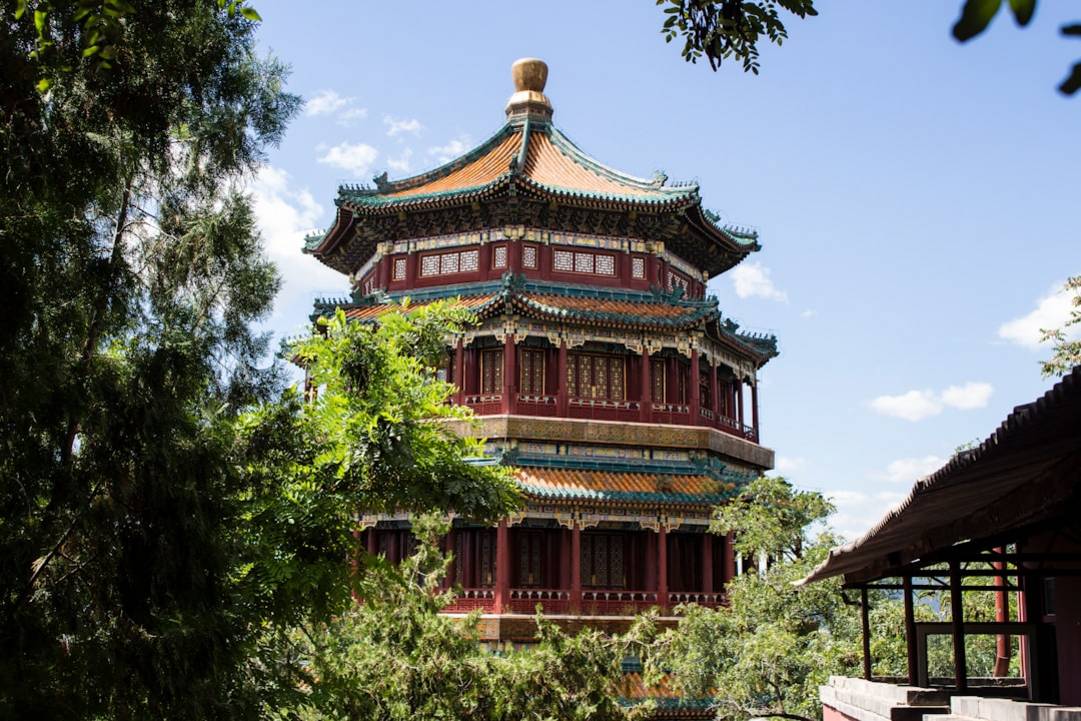
- SehenswürdigkeitenThe sprawling imperial garden retreat in the northwest, built around vast Kunming Lake and Longevity Hill, with the famous Long Corridor, marble boat and lakeside pavilions of the Empress Dowager Cixi. Gut für: Backpacker, Paare, Familien, Ältere Reisende
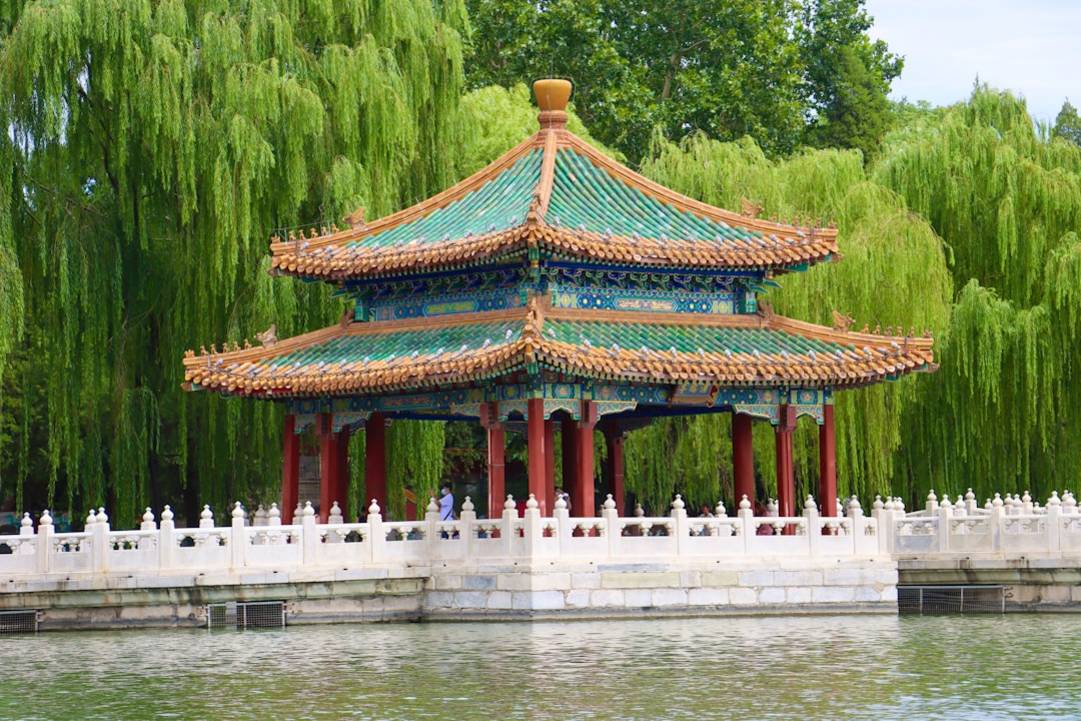
- SehenswürdigkeitenOne of the oldest and loveliest imperial gardens in China, centered on a lake with a white Tibetan-style dagoba crowning Jade Island. Once a private royal retreat, it is now a beloved public park where locals row boats in summer and skate in winter. Gut für: Backpacker, Paare, Familien, Ältere Reisende
- SehenswürdigkeitenA sprawling contemporary-art zone in the Dashanzi area, built inside a complex of decommissioned Bauhaus-style electronics factories. Galleries, studios, design shops, cafes and street art fill the old industrial halls, with Maoist slogans still painted on the brick. Gut für: Backpacker, Paare, Familien, Ältere Reisende
- SehenswürdigkeitenThe northern of the Shichahai lakes, ringed by willow-lined paths, courtyard mansions, bars and snack stalls, and the social heart of old Beijing leisure. By day, locals fish, swim and play chess; by night, the bar street lights up around the water. Gut für: Backpacker, Paare, Familien, Ältere Reisende
- SehenswürdigkeitenThe vast 2008 Olympic green in the north of the city, anchored by the steel-lattice Bird’s Nest stadium and the bubble-skinned Water Cube aquatics center, both lit dramatically at night and reused for the 2022 Winter Games. Gut für: Backpacker, Paare, Familien, Ältere Reisende
- SehenswürdigkeitenTwin Yuan-and-Ming-era towers that once kept the time for imperial Beijing, marking the northern end of the old central axis. Climb the steep Drum Tower stairs for a drumming performance and rooftop views over the surrounding grey-tiled hutong rooftops, then cross the small square to the Bell Tower. Gut für: Backpacker, Paare, Familien, Ältere Reisende
- NaturThe pavilion atop Jingshan Park’s central peak offers the definitive Beijing panorama: the entire Forbidden City spread out below in a sea of golden roofs, with the Drum Tower behind and, on clear days, the western hills beyond. Gut für: Backpacker, Paare
- SehenswürdigkeitenThe gravity-defying loop of the CCTV Tower, nicknamed the Big Pants, a Rem Koolhaas landmark of two leaning towers joined by a cantilevered overhang in the CBD. It is the symbol of contemporary Beijing architecture and a striking photo subject, especially from the surrounding plazas and from rooftop bars like Migas. Gut für: Backpacker, Paare
- SehenswürdigkeitenThe small humpbacked Yinding Bridge dividing the Houhai and Qianhai lakes, a classic Beijing photo frame where willows, lake, hutong rooftops and, on a clear day, the distant western hills line up. It is busiest and most photogenic at dusk when the bar lights reflect on the water and rickshaws clatter past. Gut für: Backpacker, Paare
- SehenswürdigkeitenBeijing’s original teahouse-style Peking opera venue, staging nightly hour-long shows of martial and classic excerpts since 1990, inside the Qianmen Jianguo Hotel. The teahouse seating lets you sip tea and nibble snacks while watching the painted faces, acrobatics and stylized singing up close. Gut für: Paare, Familien, Ältere Reisende
- SehenswürdigkeitenA long-running theatrical martial-arts spectacle on Xingfu Avenue, telling the coming-of-age story of a young monk through Shaolin kung fu, dance and acrobatics with dramatic staging and music. It is tourist-oriented and high-energy, an easy, family-friendly evening of physical spectacle that needs no language to enjoy. Gut für: Paare, Familien, Ältere Reisende
- AktivitätenA hands-on cooking school run from a restored courtyard in the eastern hutongs, where small classes learn to make dumplings, Kung Pao chicken and other Chinese staples from scratch, often after a guided market visit to buy ingredients. Gut für: Paare, Familien, Ältere Reisende
- AktivitätenA traditional gongfu tea ceremony in a Nanluoguxiang-area teahouse, where a host guides you through brewing and tasting oolong, pu-erh and green teas using the small-pot, many-infusions method, explaining the ritual and the leaves. Gut für: Paare, Familien, Ältere Reisende
- GeheimtippsA grittier, less commercial art enclave northeast of 798, where galleries and studios occupy plain brick courtyards designed in part by Ai Weiwei. It draws serious collectors and curators rather than tour buses, so the mood is quiet and the art often edgier. Gut für: Backpacker, Paare
- GeheimtippsChina’s largest artist colony, a sprawling cluster of studios, galleries and museums in a far eastern suburb where thousands of painters and sculptors live and work. It is raw, spread out and worlds away from the tourist trail, offering a real look at the working life of Chinese contemporary artists. Gut für: Backpacker, Paare
- GeheimtippsA striking contemporary-art museum near Caochangdi, built entirely from red brick around landscaped gardens, ponds and bamboo, so the architecture and grounds are as much the draw as the rotating exhibitions. Gut für: Backpacker, Paare
- GeheimtippsThe web of quiet residential lanes around Guozijian Street and Wudaoying, away from the commercialized main alleys, where you see hutong life unperformed: old men with caged birds, courtyard doorways, communal kitchens and lazy cats. Gut für: Backpacker, Paare
- GeheimtippsA leafy street just southeast of Tiananmen lined with surprising European architecture, the surviving banks, churches and legation buildings of the old foreign quarter from the late Qing and Republican eras. Gut für: Backpacker, Paare
- GeheimtippsThe quieter hutong lanes east and west of Nanluoguxiang, like Baochao and Ju’er, where the foot traffic thins and you find a more lived-in mix of small bars, craft studios, courtyard homes and the odd hidden cafe. These are the alleys to escape into when the main drag gets unbearable on weekends. Gut für: Backpacker, Paare
- GeheimtippsThe maze of restored snack and shop lanes just east of Qianmen Street, including Xianyukou food street, where old Beijing storefronts have been revived with dumpling houses, candy shops and small eateries. It is touristy but less frantic than Wangfujing’s snack alley, with genuine time-honored brands tucked among the new. Gut für: Backpacker, Paare
- SehenswürdigkeitenThe best Great Wall section for most visitors: well-restored, dramatically scenic over forested ridges, and far less mobbed than Badaling. A cable car or chairlift carries you up, and you can descend by toboggan slide, which kids and adults love equally. Gut für: Backpacker, Paare, Familien, Ältere Reisende
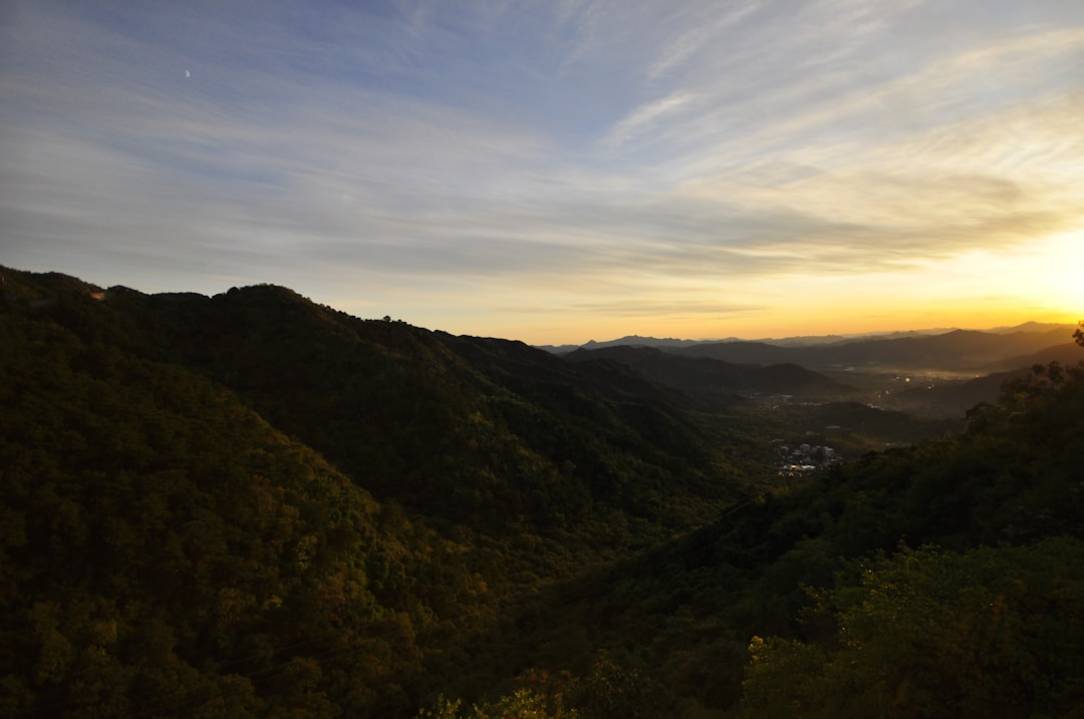
- SehenswürdigkeitenThe Great Wall for hikers and photographers: a wilder, partly unrestored section snaking over rugged hills with original watchtowers and far fewer people. The classic Jinshanling hike rewards effort with sweeping, crumbling-wall vistas at sunrise and sunset. Gut für: Backpacker, Paare, Familien, Ältere Reisende
- SehenswürdigkeitenThe most famous and most accessible Great Wall section, 70km northwest, and the only one reachable by direct high-speed train, about an hour from Beijing North station. Heavily restored with full infrastructure and a cable car. Gut für: Backpacker, Paare, Familien, Ältere Reisende
- SehenswürdigkeitenThe lively plaza between the Drum and Bell Towers, ringed by grey-brick courtyard rooftops, is one of the most atmospheric spots in the old city at dusk: locals fly kites, kids play, and the towers loom over the hutong skyline. Gut für: Backpacker, Paare
- SehenswürdigkeitenChina’s oldest zoo, in the northwest near the Five Pagoda Temple, best known for its giant panda house where you can see the national animal up close without leaving the city. Gut für: Backpacker, Paare, Familien, Ältere Reisende
- GebieteThe redeveloped stadium district in Chaoyang and the epicenter of Beijing’s club-and-bar nightlife, ringed by late-night venues, restaurants and the city’s flashiest clubs. The rebuilt stadium also hosts football and big concerts. Gut für: Backpacker, Paare, Familien, Ältere Reisende, Digitale Nomaden
- SehenswürdigkeitenThe oldest and largest mosque in Beijing, founded in the 10th century, at the heart of the Hui Muslim quarter in the southwest. Its architecture is a fascinating hybrid: Chinese temple-style halls and curved roofs housing an Islamic prayer hall, with Arabic calligraphy among the painted beams. Gut für: Backpacker, Paare, Familien, Ältere Reisende
- SehenswürdigkeitenThe best-preserved princely residence in Beijing, a sprawling Qing-era courtyard mansion and garden near Houhai, once home to the corrupt official Heshen and later a Qing prince. Rockeries, ponds, opera stage and a famous hidden stone fu (good fortune) character draw steady crowds. Gut für: Backpacker, Paare, Familien, Ältere Reisende
- EinkaufenThe open-air designer mall complex that anchors Sanlitun, a grid of glass-and-steel buildings housing flagship international and Chinese brands, the Apple store, cinemas, restaurants and rooftop bars. It is as much a social space as a shopping one, busiest in the evenings when the crowds and neon come out. Gut für: Backpacker, Paare, Familien
- AktivitätenThe main and most convenient entrance to the Summer Palace, where most visitors start the lakeside circuit, a short walk from Beigongmen and Xiyuan subway stations. From here the classic route runs along the Long Corridor, up Longevity Hill and around Kunming Lake. Gut für: Backpacker, Paare
- GebieteThe old eastern half of the inner city and the best base for first-timers. It holds the Forbidden City, Lama and Confucius temples, the Drum and Bell Towers, Nanluoguxiang and the most intact hutong grid in Beijing. Gut für: Backpacker, Paare, Familien, Ältere Reisende, Digitale Nomaden
- GebieteThe western inner-city district, quieter and more residential than Dongcheng but rich in sights: Beihai Park, the Houhai and Shichahai lakes, Prince Gong’s Mansion and the Qianmen quarter. Gut für: Backpacker, Paare, Familien, Ältere Reisende, Digitale Nomaden
- GebieteBeijing’s modern, international district east of the center: the CBD skyline, the embassy belt, Sanlitun nightlife and the 798 art zone. Gut für: Backpacker, Paare, Familien, Ältere Reisende, Digitale Nomaden
- GebieteThe leafy northwest district of universities, the Zhongguancun tech belt and the great imperial gardens. It holds the Summer Palace, the Old Summer Palace ruins and Fragrant Hills. Gut für: Backpacker, Paare, Familien, Ältere Reisende, Digitale Nomaden
- GebieteChaoyang’s nightlife and shopping core, anchored by the open-air Taikoo Li malls and ringed by rooftop bars, international restaurants and flagship stores. Gut für: Backpacker, Paare, Familien, Ältere Reisende, Digitale Nomaden
- GebieteThe restored commercial quarter directly south of Tiananmen, where the pedestrianized Qianmen Street leads into the warren of Dashilan lanes with their century-old shops and duck houses. Gut für: Backpacker, Paare, Familien, Ältere Reisende, Digitale Nomaden
- Essen & TrinkenA long-loved Vietnamese restaurant hidden down Qianliang Hutong, set in a renovated courtyard with a leafy garden that feels miles from the city. The kitchen does fresh, herb-heavy southern Vietnamese: clean spring rolls, lemongrass clay-pot dishes, pho and excellent cocktails. Gut für: Backpacker, Paare, Familien, Ältere Reisende
- SehenswürdigkeitenA rare chance to see Peking opera in an original wooden Qing-dynasty theater rather than a modern hotel hall, in a restored 17th-century guild building near Liulichang. The intimate, balconied hall is itself the draw, hung with lanterns and steeped in atmosphere. Gut für: Paare, Familien, Ältere Reisende
- Essen & TrinkenThe strip of lakeside bars wrapping the southern shore of Houhai, a wall of neon, live cover bands and lantern-lit terraces overlooking the water. It is unapologetically touristy and the touts are persistent, but a drink by the lake on a warm night is a classic Beijing evening. Gut für: Backpacker, Paare
- GebieteThe Great Wall, Forbidden City, and Temple of Heaven form the triad of imperial China. Book Hutong tours early morning before crowds arrive. Gut für: Backpacker, Paare, Familien, Ältere Reisende, Digitale Nomaden
- SehenswürdigkeitenThe Beijing Air and Space Museum is a museum in Haidian, Beijing, China. The museum is part of the Beihang University, one of China’s most prestigious engineering schools. Gut für: Paare, Familien, Ältere Reisende
- SehenswürdigkeitenThe China Ethnic Museum is a museum in Beijing, China, located just to the west of the Olympic Green. Gut für: Paare, Familien, Ältere Reisende
- SehenswürdigkeitenThe China Aerospace Museum is a museum in Fengtai District, Beijing. It highlights the technologies of the Chinese Space Program. Gut für: Paare, Familien, Ältere Reisende
- SehenswürdigkeitenThe Beijing Dabaotai Western Han Dynasty Mausoleum is a museum built over the tombs of Western Han dynasty prince Liu Jian and his wife at Dabaotai in Fengtai District of southwestern Beijing Municipality about 15 km (15 km) southwest of Beijing’s city centre. Gut für: Paare, Familien, Ältere Reisende
- NaturQingnianhu Park is a city park in Beijing, situated in Dongcheng District, west of Andingmenwai Street. Gut für: Paare, Familien, Ältere Reisende
- SehenswürdigkeitenUCCA Center for Contemporary Art or UCCA is a leading Chinese independent institution of contemporary art. Gut für: Paare, Familien, Ältere Reisende
- SehenswürdigkeitenThe Church of Our Lady of Mount Carmel, more often colloquially referred to as Xizhimen Church, is a Roman Catholic church located on the southern side at No. Gut für: Backpacker, Paare, Familien, Ältere Reisende
- NaturBadachu ist ein Klosterkomplex am Stadtrand von Peking. Der Name bedeutet „Acht Große Stätten“ und bezieht sich auf die acht buddhistischen Tempel und Nonnenklöster, die sich über die Hügel Cuiwei, Pingpo und Lushi im Bezirk Shijingshan verteilen, am Fuß von Pekings Westlichen Hügeln. Gut für: Paare, Familien, Ältere Reisende
- NaturShichahai is a historic scenic area consisting of three lakes in the north of central Beijing. Gut für: Paare, Familien, Ältere Reisende
- NaturBeijing Garden Expo Park is located in Fengtai District, Beijing, near the Yongding River and Marco Polo Bridge. Gut für: Paare, Familien, Ältere Reisende
- NaturTuanjiehu Park is an urban park of Beijing, China. It is a public city park in Beijing with scenic views and classic landscapes of gardens and water towns in Jiangnan area. Gut für: Paare, Familien, Ältere Reisende
- NaturMutianyu is a section of the Great Wall of China located in Huairou District within the city limits of Beijing 70 kilometers (69 km) northeast of the center of the city. Gut für: Paare, Familien, Ältere Reisende
- NaturMount Pan is a mountain in Jizhou District, Tianjin, People’s Republic of China. It is located 120 kilometres (120 km) from Tianjin and 90 kilometres (90 km) from Beijing. Gut für: Backpacker, Paare
- SehenswürdigkeitenThe Drum Tower of Beijing, or Gulou, is situated at the northern end of the central axis of the Inner City to the north of Di’anmen Street. Gut für: Backpacker, Paare, Familien, Ältere Reisende
- GebieteBuy the ticket weeks ahead, enter at opening, and walk it south to north. by 10am the central axis is a wall of tour groups. Gut für: Backpacker, Paare, Familien, Ältere Reisende, Digitale Nomaden
- GebieteTake Mutianyu over Badaling without thinking. Same wall, half the crowds and a working toboggan back down to the gate. Gut für: Backpacker, Paare, Familien, Ältere Reisende, Digitale Nomaden
- SehenswürdigkeitenFree incense at the gate, dress respectfully, and bow before photographing. this is an active monastery, not a film set. Gut für: Backpacker, Paare, Familien, Ältere Reisende
- SehenswürdigkeitenThe Temple of the Earth in Beijing, China, is located in the northern part of central Beijing, around the Andingmen area and just outside Beijing’s second ring road. Gut für: Backpacker, Paare, Familien, Ältere Reisende
- SehenswürdigkeitenThe Ritan is a public park located in Chaoyang District, Beijing, China. It is within the Jianguomen area. Gut für: Backpacker, Paare, Familien, Ältere Reisende
- SehenswürdigkeitenThe Temple of the Moon is an altar located in Fuchengmen, Xicheng District, in western Beijing, China. Gut für: Backpacker, Paare, Familien, Ältere Reisende
- NaturThe Yuan Dadu City Wall Ruins Park, also known as the Tucheng or Earth Wall Park, is an urban park and historic site in Haidian and Chaoyang districts, Beijing. Gut für: Paare, Familien, Ältere Reisende
- SehenswürdigkeitenHaidian Christian Church is a church located in Zhongguancun, Haidian District, Beijing. Gut für: Backpacker, Paare, Familien, Ältere Reisende
- NaturJundu Mountains is a mountain range north of Beijing in China. Jundu Mountains represent the west part of the Yan Mountains. Gut für: Backpacker, Paare
- NaturMount Miaofeng is a mountain in the northwestern Beijing, an extension of the Taihang Mountains. Gut für: Backpacker, Paare
- SehenswürdigkeitenThe Miaoying Temple, also known as the ‚White Stupa Temple‘, is a Chinese Buddhist temple on the north side of Fuchengmennei Street in the Xicheng District of Beijing. Gut für: Backpacker, Paare, Familien, Ältere Reisende
- SehenswürdigkeitenThe Church of Our Lady of Mount Carmel, more often colloquially referred to as Xizhimen Church, is a Roman Catholic church located on the southern side at No. Gut für: Backpacker, Paare, Familien, Ältere Reisende
- NaturThe Western Hills are the hills and mountains in the western part of Beijing. Gut für: Backpacker, Paare
- NaturMountain in Haidian, Beijing, China Gut für: Backpacker, Paare
Jump to a section:
Schauen Sie: Peking in Bewegung
| Name | Standort | Kurze Beschreibung | Bewertungen | Bewertung |
|---|---|---|---|---|
| Verbotene Stadt | Zentrum von Peking | Ehemaliger kaiserlicher Palast, UNESCO-Weltkulturerbe, beeindruckende Architektur. | 12000+ | 4.8 |
| Himmelstempel | Dongcheng, Peking | Historischer Tempel, bekannt für seine einzigartige Architektur und Spiritualität. | 8000+ | 4.7 |
| Große Mauer | Nördlich von Peking | Weltberühmte Mauer, beeindruckende Aussicht, ideal für Wanderungen. | 15000+ | 4.9 |
| Sommerpalast | Haidian, Peking | Kaiserlicher Garten mit Seen und historischen Gebäuden, entspannend und malerisch. | 9000+ | 4.6 |
| Wangfujing | Dongcheng, Peking | Beliebte Einkaufsstraße mit lokalen Snacks und Geschäften, lebhaft und bunt. | 5000+ | 4.5 |
| 798 Kunstbezirk | Chaoyang, Peking | Moderne Kunstszene in ehemaligen Fabriken, kreativ und inspirierend. | 3000+ | 4.4 |
| Beihai Park | Zentrum von Peking | Schöner Park mit einem großen See, ideal für Spaziergänge und Erholung. | 4000+ | 4.5 |
| Tempel des Himmels | Dongcheng, Peking | Wichtiger religiöser Ort, bekannt für seine Architektur und spirituelle Bedeutung. | 6000+ | 4.6 |
| Nationalmuseum von China | Tiananmen-Platz, Peking | Umfassende Sammlung zur chinesischen Geschichte, Bildung und Kultur. | 7000+ | 4.7 |
| Qianmen Straße | Zentrum von Peking | Historische Straße mit Geschäften und Restaurants, charmant und lebhaft. | 2000+ | 4.3 |
| Lama-Tempel | Dongcheng, Peking | Buddhistischer Tempel, bekannt für seine beeindruckenden Statuen und Architektur. | 5000+ | 4.8 |
| Jingshan Park | Zentrum von Peking | Hügelpark mit Blick auf die Verbotene Stadt, ideal für Fotos. | 3000+ | 4.4 |

Vollständiger Leitfaden für Aktivitäten in Peking
Verbotene Stadt
Die Verbotene Stadt ist ein historischer Palastkomplex und ein UNESCO-Weltkulturerbe. Sie bietet einen tiefen Einblick in die kaiserliche Geschichte Chinas. Für deutsche Reisende ist es wichtig, die beeindruckende Architektur und die kulturelle Bedeutung zu erleben. Beachte, dass es oft sehr voll sein kann, besonders an Wochenenden.
- Bezirk: Dongcheng
- Dauer: 2-3 Stunden
- Menschenmenge: Hoch
- Beste Zeit: Früh am Morgen oder Wochentage
- Buchung: Empfohlen, um Warteschlangen zu vermeiden
| Montag | Dienstag | Mittwoch | Donnerstag | Freitag | Samstag | Sonntag |
|---|---|---|---|---|---|---|
| 8:30 AM - 5:00 PM | 8:30 AM - 5:00 PM | 8:30 AM - 5:00 PM | 8:30 AM - 5:00 PM | 8:30 AM - 5:00 PM | 8:30 AM - 5:00 PM | 8:30 AM - 5:00 PM |
Himmelstempel
Der Himmelstempel ist ein weiteres UNESCO-Weltkulturerbe und ein Meisterwerk der chinesischen Architektur. Hier finden oft kulturelle Veranstaltungen statt. Für deutsche Touristen ist es ein Ort der Ruhe und Reflexion. Plane deinen Besuch früh, um die Menschenmengen zu vermeiden.
- Bezirk: Dongcheng
- Dauer: 1-2 Stunden
- Menschenmenge: Mittel
- Beste Zeit: Morgens oder unter der Woche
- Buchung: Nicht erforderlich, aber empfohlen
| Montag | Dienstag | Mittwoch | Donnerstag | Freitag | Samstag | Sonntag |
|---|---|---|---|---|---|---|
| 8:00 AM - 6:00 PM | 8:00 AM - 6:00 PM | 8:00 AM - 6:00 PM | 8:00 AM - 6:00 PM | 8:00 AM - 6:00 PM | 8:00 AM - 6:00 PM | 8:00 AM - 6:00 PM |

Große Mauer
Die Große Mauer ist eines der bekanntesten Wahrzeichen Chinas und ein Symbol für die chinesische Zivilisation. Der Besuch ist ein Muss für jeden Reisenden. Plane einen Tag ein, um die Mauer zu erkunden, und beachte, dass die Anreise Zeit in Anspruch nehmen kann.
- Bezirk: Huairou
- Dauer: 4-6 Stunden
- Menschenmenge: Hoch
- Beste Zeit: Frühling und Herbst
- Buchung: Empfohlen für Gruppen
| Montag | Dienstag | Mittwoch | Donnerstag | Freitag | Samstag | Sonntag |
|---|---|---|---|---|---|---|
| 7:30 AM - 5:30 PM | 7:30 AM - 5:30 PM | 7:30 AM - 5:30 PM | 7:30 AM - 5:30 PM | 7:30 AM - 5:30 PM | 7:30 AM - 5:30 PM | 7:30 AM - 5:30 PM |
Sommerpalast
Der Sommerpalast ist ein weitläufiger Park mit wunderschönen Gärten und historischen Gebäuden. Er bietet eine entspannende Atmosphäre und ist ideal für einen Tagesausflug. Achte auf die Öffnungszeiten, da sie je nach Saison variieren können.
- Bezirk: Haidian
- Dauer: 2-4 Stunden
- Menschenmenge: Mittel
- Beste Zeit: Frühling und Herbst
- Buchung: Nicht erforderlich
| Montag | Dienstag | Mittwoch | Donnerstag | Freitag | Samstag | Sonntag |
|---|---|---|---|---|---|---|
| 7:00 AM - 6:00 PM | 7:00 AM - 6:00 PM | 7:00 AM - 6:00 PM | 7:00 AM - 6:00 PM | 7:00 AM - 6:00 PM | 7:00 AM - 6:00 PM | 7:00 AM - 6:00 PM |

Wangfujing Einkaufsstraße
Wangfujing ist eine der bekanntesten Einkaufsstraßen in Peking. Hier findest du alles von traditionellen Souvenirs bis hin zu modernen Geschäften. Ideal für einen Einkaufsbummel und um lokale Snacks zu probieren. Beachte die Öffnungszeiten der Geschäfte.
- Bezirk: Dongcheng
- Dauer: 1-3 Stunden
- Menschenmenge: Hoch
- Beste Zeit: Abends
- Buchung: Nicht erforderlich
| Montag | Dienstag | Mittwoch | Donnerstag | Freitag | Samstag | Sonntag |
|---|---|---|---|---|---|---|
| 10:00 AM - 10:00 PM | 10:00 AM - 10:00 PM | 10:00 AM - 10:00 PM | 10:00 AM - 10:00 PM | 10:00 AM - 10:00 PM | 10:00 AM - 10:00 PM | 10:00 AM - 10:00 PM |
Beijing National Stadium (Vogelnest)
Das Vogelnest ist ein architektonisches Meisterwerk und war das Hauptstadion der Olympischen Spiele 2008. Es ist ein beeindruckender Ort, um Sportveranstaltungen zu sehen oder einfach die Architektur zu bewundern. Plane deinen Besuch im Voraus, da es oft Veranstaltungen gibt.
- Bezirk: Chaoyang
- Dauer: 1-2 Stunden
- Menschenmenge: Mittel
- Beste Zeit: Nachmittags
- Buchung: Empfohlen für Veranstaltungen
| Montag | Dienstag | Mittwoch | Donnerstag | Freitag | Samstag | Sonntag |
|---|---|---|---|---|---|---|
| 9:00 AM - 6:00 PM | 9:00 AM - 6:00 PM | 9:00 AM - 6:00 PM | 9:00 AM - 6:00 PM | 9:00 AM - 6:00 PM | 9:00 AM - 6:00 PM | 9:00 AM - 6:00 PM |

798 Art District
Das 798 Art District ist ein kreatives Zentrum mit Galerien, Cafés und Boutiquen. Es ist ein großartiger Ort, um zeitgenössische Kunst zu erleben und lokale Künstler zu unterstützen. Ideal für einen entspannten Nachmittag. Achte auf die Öffnungszeiten der Galerien.
- Bezirk: Chaoyang
- Dauer: 2-3 Stunden
- Menschenmenge: Mittel
- Beste Zeit: Nachmittags
- Buchung: Nicht erforderlich
| Montag | Dienstag | Mittwoch | Donnerstag | Freitag | Samstag | Sonntag |
|---|---|---|---|---|---|---|
| 10:00 AM - 6:00 PM | 10:00 AM - 6:00 PM | 10:00 AM - 6:00 PM | 10:00 AM - 6:00 PM | 10:00 AM - 6:00 PM | 10:00 AM - 6:00 PM | 10:00 AM - 6:00 PM |
Peking Oper
Die Peking Oper ist eine traditionelle chinesische Kunstform, die Gesang, Schauspiel und Akrobatik kombiniert. Ein Besuch ist eine einzigartige kulturelle Erfahrung. Achte darauf, Tickets im Voraus zu buchen, da die Aufführungen oft ausverkauft sind.
- Bezirk: Xicheng
- Dauer: 2-3 Stunden
- Menschenmenge: Hoch
- Beste Zeit: Abends
- Buchung: Erforderlich, um Plätze zu sichern
| Montag | Dienstag | Mittwoch | Donnerstag | Freitag | Samstag | Sonntag |
|---|---|---|---|---|---|---|
| 7:30 PM - 9:30 PM | 7:30 PM - 9:30 PM | 7:30 PM - 9:30 PM | 7:30 PM - 9:30 PM | 7:30 PM - 9:30 PM | 7:30 PM - 9:30 PM | 7:30 PM - 9:30 PM |

Tempel der Himmel
Der Tempel der Himmel ist ein beeindruckendes Beispiel für traditionelle chinesische Architektur. Er ist ein Ort der Anbetung und der Reflexion. Für deutsche Reisende ist es wichtig, die kulturelle Bedeutung zu verstehen. Plane deinen Besuch am besten früh am Morgen.
- Bezirk: Dongcheng
- Dauer: 1-2 Stunden
- Menschenmenge: Mittel
- Beste Zeit: Morgens
- Buchung: Nicht erforderlich
| Montag | Dienstag | Mittwoch | Donnerstag | Freitag | Samstag | Sonntag |
|---|---|---|---|---|---|---|
| 6:00 AM - 8:00 PM | 6:00 AM - 8:00 PM | 6:00 AM - 8:00 PM | 6:00 AM - 8:00 PM | 6:00 AM - 8:00 PM | 6:00 AM - 8:00 PM | 6:00 AM - 8:00 PM |

Die beste Reisezeit für Peking
| Monat | Beschreibung | Preisniveau | Menschenmengen | Rat |
|---|---|---|---|---|
| Januar | Kalt und trocken | Niedrig | Ruhig | Früh buchen |
| Februar | Kalt, aber sonnig | Niedrig | Ruhig | Günstige Flüge prüfen |
| März | Frühling beginnt | Mittel | Moderat | Frühzeitig reservieren |
| April | Milde Temperaturen | Mittel | Moderat | Blütenzeit genießen |
| Mai | Angenehm warm | Hoch | Hoch | Früh buchen |
| Juni | Heiß und feucht | Hoch | Hoch | Vermeide Feiertage |
| Juli | Sehr heiß | Hoch | Hoch | Kühle Orte suchen |
| August | Heiß und schwül | Hoch | Hoch | Früh buchen |
| September | Angenehm, weniger Touristen | Mittel | Moderat | Ideal für Reisen |
| Oktober | Herbstfarben, mild | Hoch | Hoch | Frühzeitig planen |
| November | Kühl, weniger Besucher | Mittel | Ruhig | Günstige Angebote nutzen |
| Dezember | Kalt, festliche Stimmung | Niedrig | Ruhig | Winterangebote prüfen |
Reise nicht während des Neujahrsfestes (Januar/Februar). Preise steigen stark, Menschenmengen sind enorm. Plane stattdessen eine Woche vorher oder nachher für bessere Preise und weniger Stress.
Essenz von Peking
Peking ist das politische und kulturelle Zentrum Chinas. Die Stadt verbindet Tradition mit modernem Leben und zieht Reisende aus aller Welt an.
- Erlebe die Geschichte: Peking ist reich an kulturellem Erbe und historischen Stätten.
- Nutze die Verkehrsanbindung: Effiziente öffentliche Verkehrsmittel erleichtern die Erkundung der Stadt.
- Genieße die kulinarische Vielfalt: Peking bietet eine breite Palette an regionalen und internationalen Küchen.
Kultur & Etikette
- Kleide dich angemessen: In Tempeln sind lange Hosen und bedeckte Schultern erforderlich.
- Vermeide öffentliche Zuneigung: Händchenhalten ist akzeptabel, Küssen jedoch nicht.
- Nutze beide Hände: Bei der Übergabe von Visitenkarten oder Geschenken ist dies höflich.
- Achte auf Tischmanieren: Warte, bis der Gastgeber beginnt, bevor du isst.
Geld & Logistik
- Nutze Alipay oder WeChat Pay: Diese Apps sind weit verbreitet und praktisch.
- Suche nach zuverlässigen Geldautomaten: Vermeide Automaten in abgelegenen Gegenden.
- Plane Bargeld ein: Kleinere Geschäfte akzeptieren oft keine Karten.
- Beachte Gebühren: Informiere dich über mögliche Auslandseinsatzgebühren deiner Bank.
Einkaufen & Nachtleben
- Besuche Wangfujing: Diese Einkaufsstraße hat bis 22:00 Uhr geöffnet.
- Erkunde lokale Märkte: Viele Märkte schließen gegen 20:00 Uhr.
- Achte auf Sicherheit: Vermeide dunkle Gassen nach 22:00 Uhr.
- Nutze lokale Empfehlungen: Frage Einheimische nach den besten Bars und Clubs.
Gesundheits- & Sicherheitsgrundlagen
- Lade Didi herunter: Diese App ist für Fahrten in der Stadt sehr nützlich.
- Suche nach internationalen Kliniken: Diese bieten oft englischsprachige Ärzte.
- Achte auf Umweltbedingungen: Smog kann die Gesundheit beeinträchtigen.
- Informiere dich über Notrufnummern: 120 ist die Nummer für medizinische Notfälle.

Anreise nach Peking, China
Die beste Standardoption für die Anreise nach Peking ist der Flug. Direktflüge sind in der Regel die schnellste und bequemste Wahl. Achten Sie jedoch auf häufige Ankunftsbetrügereien, insbesondere am Flughafen, wo nicht autorisierte Taxis und überteuerte Dienstleistungen angeboten werden können.
| Von | Nach | Verkehrsmittel | Dauer | Kosten | Häufigkeit |
|---|---|---|---|---|---|
| Frankfurt | Peking | Flug | 10 Stunden | 600-800 EUR | Täglich |
| München | Peking | Flug | 11 Stunden | 650-850 EUR | Täglich |
| Berlin | Peking | Flug | 12 Stunden | 700-900 EUR | 5x pro Woche |
| Düsseldorf | Peking | Flug | 11 Stunden | 650-850 EUR | 3x pro Woche |
Öffentliche Verkehrsmittel in Peking
Für Deutsche, die in Peking unterwegs sind, ist die U-Bahn das beste tägliche Verkehrsmittel. Sie ist schnell, kostengünstig und bietet eine gute Abdeckung der Stadt. Vergleichen Sie die Gesamtkosten, einschließlich aller Gebühren, und beachten Sie die Öffnungszeiten sowie mögliche Störungen durch Wetter oder Menschenmengen. Transparenz und aktuelle Informationen sind entscheidend für eine reibungslose Reise.
| Verkehrsmittel | Wann zu nutzen | Kosten | Vorteile | Nachteile |
|---|---|---|---|---|
| U-Bahn | Schnelle Fortbewegung in der Stadt | 2-5 CNY pro Fahrt | Effizient, gut vernetzt | Kann zu Stoßzeiten überfüllt sein |
| Bus | Wenn die U-Bahn nicht verfügbar ist | 1-3 CNY pro Fahrt | Günstig, viele Routen | Langsame Fahrtzeiten, oft überfüllt |
| Taxi | Für direkte Fahrten oder bei schlechtem Wetter | Startgebühr 14 CNY, dann 2,3 CNY/km | Bequem, direkt | Teurer, Verkehrsstaus möglich |
| Fahrradverleih | Für kurze Strecken und Erkundungen | 1-3 CNY pro Stunde | Flexibel, umweltfreundlich | Sicherheitsrisiken im Verkehr |

Die kulinarische Vielfalt Pekings
Die kulinarische Seele Chinas ist geprägt von einer Vielzahl an Aromen und Techniken. Kräuter wie Koriander und Gewürze wie Sichuan-Pfeffer verleihen den Gerichten Tiefe. Ein regionales Highlight ist Pekingente, deren Zubereitung durch das langsame Rösten und die spezielle Marinade entscheidend für den Geschmack ist. Diese Methode ist nicht nur Tradition, sondern auch ein Symbol für die Identität der Region.
In Peking gibt es eine klare Unterscheidung zwischen formellen "Tavernen" und schnellem Straßenessen. Für Deutsche, die sicher planen möchten, sind Reservierungen in gehobenen Restaurants ratsam. Beachte, dass Trinkgelder von etwa 10% üblich sind. Zahlungsmethoden variieren; Bargeld ist oft akzeptiert, aber Karten werden zunehmend bevorzugt. Prüfe die Öffnungszeiten und mögliche saisonale Schließungen, um Enttäuschungen zu vermeiden.
| Name | Küche | Standort | Bewertungen | Bewertung | Preissegment | Beschreibung |
|---|---|---|---|---|---|---|
| Maison FLO | französisches Restaurant | Xiao Yun Lu | 11 | 5 | Erschwinglich | Französische Küche mit einem modernen Twist. |
| Ling Long | chinesisches Restaurant | Gong Ti Bei Lu | 8 | 5 | Erschwinglich | Authentische chinesische Gerichte in elegantem Ambiente. |
| Siji Minfu | chinesisches Restaurant | Nan Hu Bei Lu | 39 | 4.8 | Erschwinglich | Berühmt für seine Pekingente und traditionelle Küche. |
| Manjie Dumplings Ping'an Ave Dian | chinesisches Restaurant | Dongsi Subdistrict | 12 | 4.8 | Erschwinglich | Frische Teigtaschen mit verschiedenen Füllungen. |
| Lei Garden | chinesisches Restaurant | Dongcheng | 43 | 4.7 | Mittelklasse (€€) | Hochwertige chinesische Gerichte mit regionalen Zutaten. |
Besuche Restaurants zur Mittagszeit, um günstigere Menüs zu genießen.

Unterkünfte in Peking: Eine Übersicht
Vergleiche auf der Karte die Preise verschiedener Buchungsseiten und finde das passende Viertel.
Peking bietet eine Vielzahl an Unterkünften, von Boutique-Hotels bis zu modernen Gaststätten. Die Preis-Leistungs-Verhältnisse sind oft attraktiv, besonders in der Mittelklasse. Viele Hotels bieten Annehmlichkeiten, die den Aufenthalt angenehm gestalten. Die Auswahl reicht von traditionell bis zeitgenössisch, was für jeden Geschmack etwas bereithält.
Die Lage ist entscheidend für Ihren Aufenthalt. Zentrale Bezirke bieten schnellen Zugang zu Sehenswürdigkeiten, während ruhigere Gegenden mehr Entspannung bieten. Entscheiden Sie, ob Sie Nähe zu Attraktionen oder Ruhe bevorzugen. Berücksichtigen Sie auch die Verkehrsanbindung und die Erreichbarkeit von öffentlichen Verkehrsmitteln.
| Name | Lage | Bewertungen | Bewertung | Preissegment | Beschreibung |
|---|---|---|---|---|---|
| Beijing Great Wall Inn | Yanqing | 17 | 4.9 | Mittelklasse | Ideal für Naturliebhaber, nahe der Chinesischen Mauer. |
| VUE Hotel Hou Hai, Beijing | Xi Cheng Qu | 6 | 4.8 | Mittelklasse | Schöne Aussicht auf den Houhai-See, zentral gelegen. |
| VOYAGE INTERNATIONAL HOTEL | Chaoyang | 29 | 4.7 | Mittelklasse | Gute Anbindung zum Flughafen, komfortable Zimmer. |
| Hilton Garden Inn Beijing Guomao | Beijing | 11 | 4.7 | Mittelklasse | Moderne Ausstattung, ideal für Geschäftsreisende. |
| Kerry Hotel Beijing | Chaoyang Qu | 408 | 4.6 | Mittelklasse | Exzellente Einrichtungen, nahe Einkaufszentren. |
Prüfen Sie die Stornierungsbedingungen vor der Buchung, um Überraschungen zu vermeiden.
Die besten Stadtteile in Peking
Peking bietet eine Vielzahl von Stadtteilen, die jeweils ihren eigenen Charme und ihre eigene Atmosphäre haben. Die Wahl des richtigen Stadtteils kann Ihren Aufenthalt erheblich verbessern. Hier sind einige der besten Optionen für Ihren Aufenthalt in Peking.
| Stadtteilname | Kurze Zusammenfassung | Vorteile | Nachteile | Strategischer Tipp |
|---|---|---|---|---|
| Dongcheng | Zentral gelegen, ideal für Touristen mit vielen historischen Stätten. | Nahe der Verbotenen Stadt und dem Himmelstempel. | Kann überfüllt sein, besonders in der Hochsaison. | Frühzeitig buchen, um die besten Unterkünfte zu sichern. |
| Chaoyang | Modern und international, bekannt für seine Kunstszene. | Vielfältige Restaurants und Nachtleben. | Etwas weiter von den Haupttouristenattraktionen entfernt. | Nutze öffentliche Verkehrsmittel für einfache Erreichbarkeit. |
| Haidian | Bildungszentrum mit vielen Universitäten und Parks. | Ruhige Umgebung, ideal für Erholung. | Weniger touristische Attraktionen. | Besuche den Sommerpalast für einen entspannten Tag. |

Ein Tag in Peking: Ihr perfekter Reiseplan
Nutzen Sie diesen detaillierten Reiseplan, um das Beste aus Ihrem Tag in Peking herauszuholen. Von historischen Stätten bis zu kulinarischen Erlebnissen, hier ist, was Sie tun sollten.
📍 Dongcheng
Beginnen Sie Ihren Tag mit einem traditionellen chinesischen Frühstück in der belebten Wangfujing Straße. Probieren Sie lokale Snacks und genießen Sie die Atmosphäre.
📍 Zentrum von Peking
Erkunden Sie die beeindruckende Architektur und die Geschichte der Verbotenen Stadt. Planen Sie mindestens 2-3 Stunden ein.
📍 Dongcheng
Genießen Sie ein Mittagessen in der Nähe des Tempels des Himmels. Es gibt viele Restaurants, die lokale Küche anbieten.
📍 Zentrum von Peking
Nach dem Mittagessen entspannen Sie sich im Beihai Park. Genießen Sie die Natur und die Aussicht auf den See.
📍 Nördlich von Peking
Fahren Sie zur Großen Mauer. Wählen Sie einen weniger besuchten Abschnitt für ein besseres Erlebnis.
📍 Chaoyang
Beenden Sie Ihren Tag mit einem Abendessen in einem der vielen Restaurants in Peking. Genießen Sie die Vielfalt der chinesischen Küche.