


Wenn du dich abseits der bekannten Routen bewegst, wirst du feststellen, wie die Landschaften und Gemeinschaften hier ihre eigene, unberührte Geschichte erzählen. Die Wege werden schmaler, die Dörfer kleiner, und die Natur zeigt sich in ihrer ursprünglichsten Form. Hier zählt jeder Schritt, jede Begegnung, jede Aussicht, die kaum jemand kennt.
In den abgelegenen Pins wie dem ‚Madidi pampas wildlife‘ oder entlang des ‚Jesuit mission circuit‘ findest du unberührte Regenwälder, alte Missionsstätten und weite Pampas, die nur wenige erkunden. Diese Orte sind das Herzstück eines echten Abenteuers, das dich tief in die Kultur und Natur Boliviens eintauchen lässt.
Off-the-beaten-path in Bolivien bedeutet, abgelegene Orte wie den Madidi-Pampas oder die Jesuitenmissionen zu erkunden, wo Natur und Geschichte auf authentische Weise verschmelzen.
- Der Madidi-Pampas bietet eine einzigartige Tierwelt, die nur wenige Besucher erleben, mit kaum touristischer Infrastruktur.
- Das Jesuit mission circuit offenbart koloniale Geschichte und indigene Gemeinschaften, die ihre Traditionen bewahren.
- Der Dinosaurier-Plateau bei Torotoro ist nur per anspruchsvoller Fahrt erreichbar, bietet aber beeindruckende Fossilien und Naturwunder.
Alle Orte auf der interaktiven Karte sehen
Nach Land filtern, in jeden Pin hineinzoomen und die Route mit dem Pack Lightly Länderkarten-Tool planen.
Was das echte Bolivien abseits der Massen ausmacht
Bolivien zeigt seine unberührte Seite durch abgelegene Landschaften und lebendige Gemeinschaften, die tief in ihrer Tradition verwurzelt sind. Hier findest du Orte, die kaum auf den üblichen Reiserouten liegen, aber umso authentischer sind.
- Der Madidi pampas wildlife ist ein riesiges Schutzgebiet, das eine vielfältige Tierwelt beherbergt, die nur schwer zugänglich ist und nur wenige Touristen sehen.
- Das Jesuit mission circuit verbindet koloniale Geschichte mit lebendigen indigenen Gemeinschaften, die ihre Bräuche und Sprachen bewahren, was eine tiefe kulturelle Erfahrung bietet.
- Der Torotoro Dinosaur Plateau ist nur über anspruchsvolle Wege erreichbar, bietet aber Fossilien, Höhlen und beeindruckende Landschaften, die nur wenige kennen.
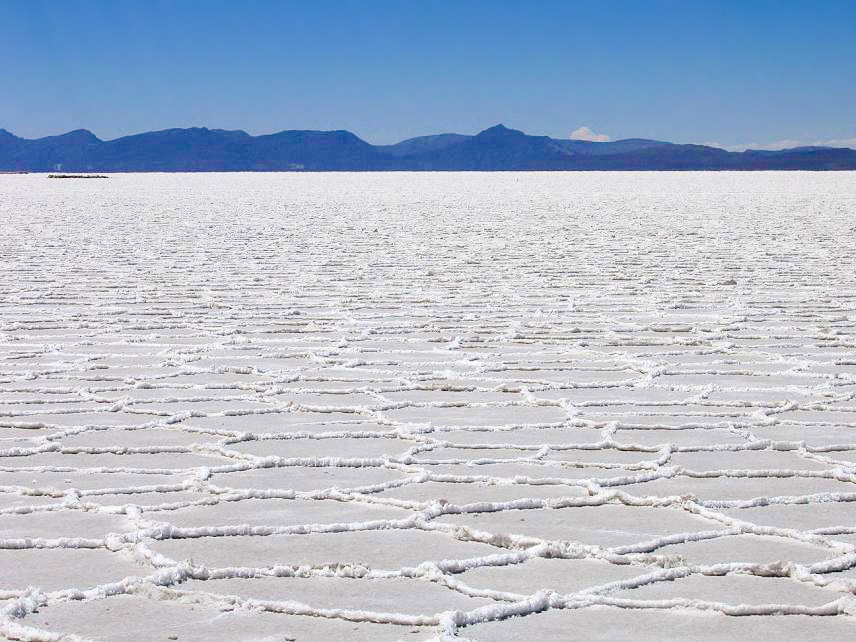
Exploring Bolivia’s Off-the-Beaten-Path Wilderness and Cultural Heritage
This curated selection takes you beyond the popular sights to Bolivia’s remote wilderness and hidden cultural treasures. From the rugged Madidi pampas to forgotten indigenous villages, these spots reward adventurous travelers willing to venture off the main routes. Expect challenging terrain, limited infrastructure, and authentic encounters with nature and local communities. If you seek untouched landscapes and deep cultural immersion, these destinations are your next step.

Pin 0
Arriving at the edge of the Madidi biosphere, the vast jungle stretches in every direction, whispering promises of wildlife encounters and untouched nature. This remote area demands careful planning: access typically involves a multi-hour boat ride along winding rivers, often requiring a 4×4 transfer from nearby towns. The terrain is dense and humid, with limited medical facilities and water sources that must be sourced carefully. Visiting here is not for the faint-hearted; it’s suited for those prepared with gear and patience. The best months are May through September, when the dry season reduces travel hazards and wildlife visibility improves. Expect at least three days to explore the pampas and jungle properly, with challenging trails and unpredictable weather. The difficulty is high due to terrain and remoteness, but the payoff is extraordinary: jaguars, giant otters, and macaws in their natural habitat. Crowd levels are minimal outside the peak dry season, making it a quiet, immersive experience. Costs involve boat fees, park permits, and local guides, which can add up but are essential for safety and insight. This spot is ideal for wildlife enthusiasts and serious trekkers willing to endure logistical hurdles for a chance to witness Bolivia’s most pristine wilderness. If you prefer easier access, consider combining this with a visit to the nearby lowland villages for cultural contrast before heading back to more developed areas.

Pin 1
Tucked away in the Chiquitania lowlands, the Jesuit mission circuit offers a rare glimpse into Bolivia’s colonial history and indigenous culture. These missions, often set in quiet villages, feature well-preserved architecture and sacred sites that tell stories of early European influence and local adaptation. Visiting here requires patience: transport options are limited, with small buses or private transfers from Santa Cruz taking several hours over rough roads. The best months are June through August, avoiding the rainy season when roads become impassable. Most travelers spend a day or two exploring the missions, but deeper engagement with local communities can extend the stay. The terrain is flat, making travel easier, but the cultural richness is profound. Expect moderate difficulty due to transportation logistics and the need to respect local customs, especially when photographing sacred sites. Crowd levels are low outside festival times, which often coincide with religious celebrations in July or August. Costs are mainly for transport and entrance fees, which are modest. This spot suits history buffs and those interested in indigenous traditions, offering a slow-paced journey into Bolivia’s colonial and cultural layers. Combining this with a visit to nearby craft markets or local festivals enhances the experience, providing a meaningful connection to the region’s heritage.

Pin 2
Perched above the Andean escarpment, the Torotoro canyon offers a rugged landscape filled with dinosaur footprints, caves, and striking rock formations. This remote site is a favorite for adventurous travelers seeking geological wonders and solitude. Reaching Torotoro involves a roughly two-hour drive from Cochabamba on rough roads, often requiring a 4×4 vehicle, especially during the rainy season when some routes wash out. The best months are May through September, when the weather is drier and trails are accessible. Visitors should plan for at least two days to explore the canyon, caves, and dinosaur tracks thoroughly. The terrain is steep and uneven, demanding good physical condition and proper gear. The difficulty is moderate to high, with some scrambling involved. Crowd levels are low, particularly outside peak season, making it ideal for those seeking quiet exploration. Costs include transport, park entrance, and guided tours, which are recommended for safety and context. This destination is perfect for geology enthusiasts and hikers willing to endure rough roads for a chance to walk in the footsteps of ancient creatures. For a more comfortable experience, combine this with a stay in Cochabamba or nearby villages, but be prepared for the rugged journey that makes the reward worthwhile.

Combining Off-the-Beaten-Path Pins in Bolivia
Routing through Bolivia’s remote pampas and heritage sites requires careful planning due to challenging terrain and limited infrastructure. Roads can be rough, especially in jungle and desert areas, and seasonal weather impacts accessibility. Choosing the right transport modes and timing ensures you experience these hidden regions without unnecessary delays or risks.
Madidi Biosphere and Pampas Wildlife Loop 7-10 days
Begin in Rurrenabaque, the gateway to Madidi, and explore the pampas wildlife routes by 4×4 or boat, depending on the season. From there, head into the jungle for wildlife safaris, then venture into the pampas for birdwatching and caiman spotting. The route involves rough roads and river crossings, so plan for vehicle maintenance and weather windows. Decide whether to extend into the Chiquitania lowlands or return via the same route, considering seasonal road conditions.
Jesuit Mission Circuit and Dinosaur Plateau 5-7 days
Start in Santa Cruz, then travel south to the Jesuit mission towns like San Ignacio de Moxos and Concepción, accessible by regional roads that can be muddy in the rainy season. After exploring colonial relics and indigenous communities, take a two-day trip to the Torotoro canyon and dinosaur tracks. The road from Cochabamba is rough and best traveled with a 4×4, especially in wet months. Timing your visit during dry season minimizes travel disruptions and maximizes site access.
Kombinieren mit
Extend your journey across the border into Peru’s Amazon basin or explore the Chiquitania region further south, crossing at the Puerto Quijarro border. These routes connect via regional roads and border crossings, allowing a broader exploration of Bolivia’s lowland heritage and wilderness.
Practical Realities for Off-Beat Travel in Bolivia
Reaching Bolivia’s remote pampas and heritage sites demands awareness of terrain and seasonal conditions. Infrastructure varies greatly, and access can be limited during the rainy season. Prepare for rugged roads, variable vehicle requirements, and limited medical facilities in the wilderness zones.
Road closures and seasonal access
Many routes to Madidi and the Chiquitania are impassable during heavy rains, especially in the jungle and desert areas. The rough roads from Rurrenabaque to the pampas and from Cochabamba to Torotoro often wash out or become muddy, requiring a 4×4 vehicle. Check weather forecasts and plan travel in the dry season (May to October) for safer, more reliable access.
Vehicle requirements
A high-clearance 4×4 is essential for most routes, especially in the Madidi jungle and the dinosaur plateau from Cochabamba. Rental options are limited in remote areas, so confirm availability beforehand. Consider hiring a local driver experienced with seasonal road conditions to avoid getting stranded.
Permits and timing windows
Some protected areas, especially in Madidi, require permits or guided tours, which should be arranged in advance. Visiting during local festivals or market days can enhance cultural experience but may also mean limited transport options. Timing your trip outside peak rainy months reduces permit and access issues.
Health access in remote regions
Medical facilities are scarce in the jungle and pampas zones. Carry a well-stocked first aid kit and ensure your insurance covers emergency evacuation. In case of illness or injury, evacuation can take hours or days, especially during bad weather, so plan accordingly.
Off-Beat Bolivia Travel Questions
1How does this off-beat loop differ from Bolivia’s main highlights?
This route focuses on Bolivia’s lowland wilderness and heritage sites, avoiding popular destinations like La Paz or Salar de Uyuni. It offers wildlife safaris, indigenous communities, and dinosaur tracks, providing a more immersive and less touristy experience. The main challenge is the limited infrastructure, requiring self-sufficiency and flexible planning.
2Is the Madidi pampas wildlife route worth the detour if I only have 10 days?
Yes, if you prioritize wildlife and wilderness. The trip involves rough roads and boat travel, but the opportunity to see jaguars, caimans, and exotic birds in their natural habitat makes it worthwhile. Be prepared for early mornings and variable weather; otherwise, consider a shorter safari in the pampas.
3Can these pins be done solo or with kids, what changes?
Solo travel is feasible but requires self-sufficiency, especially in remote zones. For families with kids, consider guided tours and shorter routes, as rough roads and limited facilities can be challenging. Always check vehicle and accommodation suitability beforehand, and prioritize safety in jungle and desert areas.
4What gear or vehicle do I actually need that I can’t rent on the main tourist trail?
A high-clearance 4×4 vehicle is essential for most routes, especially in the jungle and dinosaur plateau. Bring waterproof gear, spare tires, and navigation tools, as rental options are limited in remote zones. Don’t rely on public transport; private rental or guided transport is necessary for safe access.
5When does hiring a local guide become necessary (not just nice-to-have)?
Guides are mandatory in protected areas like Madidi and for exploring indigenous communities or archaeological sites like Torotoro. They enhance safety, cultural understanding, and navigation through difficult terrain. Always book guides in advance, especially during peak dry season when access is more complex.
Bildnachweise: Foto: Anouchka Unel / Wikimedia Commons, FAL · Foto: Elemaki / Wikimedia Commons, CC BY-SA 3.0 · Foto: q phia / Wikimedia Commons, CC BY 2.0