


Wenn du die Hauptstraßen hinter dir lässt, öffnet sich eine Welt voller unentdeckter Landschaften und verborgener Geschichten. Hier zeigt sich Albanien in seiner rohesten Form, fernab von den üblichen Touristenströmen. Die Wege sind schmal, die Dörfer klein, und die Natur ungezähmt. Es ist eine Reise in das Herz eines Landes, das noch immer seine Geheimnisse bewahrt.
Auf deiner Route triffst du auf fjordartige Seen wie den Lake Komani, versteckte Bunker aus der Zeit des Kalten Krieges auf Sazan Island, die wilden Klippen des Karaburun und die verlassenen Tunnel von BunkArt. Diese Orte erzählen von einer Vergangenheit, die noch immer in der Landschaft lebt, und bieten dir eine authentische Erfahrung abseits der Massen.
Off-the-beaten-path in Albanien bedeutet, abgelegene Orte wie den Lake Komani, Sazan Island und die Karaburun-Halbinsel zu erkunden, die kaum Touristen sehen. Diese Spots bieten authentische Einblicke in das Land.
- Der Lake Komani ferry bietet eine fjordartige Erfahrung, die nur wenige Touristen kennen, und zeigt Albaniens unberührte Natur.
- Sazan Island beherbergt eine sowjetische U-Boot-Basis, die noch immer Spuren des Kalten Krieges trägt und nur schwer zugänglich ist.
- Die Karaburun-Halbinsel ist ein wildes, unberührtes Gebiet mit dramatischen Klippen und versteckten Buchten, ideal für Abenteuerlustige.
Alle Orte auf der interaktiven Karte sehen
Nach Land filtern, in jeden Pin hineinzoomen und die Route mit dem Pack Lightly Länderkarten-Tool planen.
Warum die abgelegenen Seiten Albaniens entdecken?
Albaniens off-the-beaten-path-Regionen offenbaren eine Seite des Landes, die kaum jemand kennt. Hier kannst du in die Geschichte eintauchen, unberührte Natur erleben und authentische Gemeinschaften treffen. Diese Orte sind für Abenteurer, die das Unbekannte suchen, perfekt geeignet.
- Der Lake Komani ferry ist eine spektakuläre, kaum bekannte Wasserstraße, die dich durch eine fjordartige Landschaft führt, die nur wenige erkunden.
- Sazan Island bietet eine einzigartige Mischung aus Natur und Geschichte, mit verlassenen sowjetischen Bunkern, die nur schwer zugänglich sind und eine spannende Vergangenheit erzählen.
- Die Karaburun-Halbinsel ist ein unberührtes Naturparadies mit dramatischen Klippen, einsamen Stränden und einer Atmosphäre, die nur Wasser und Wind teilen.
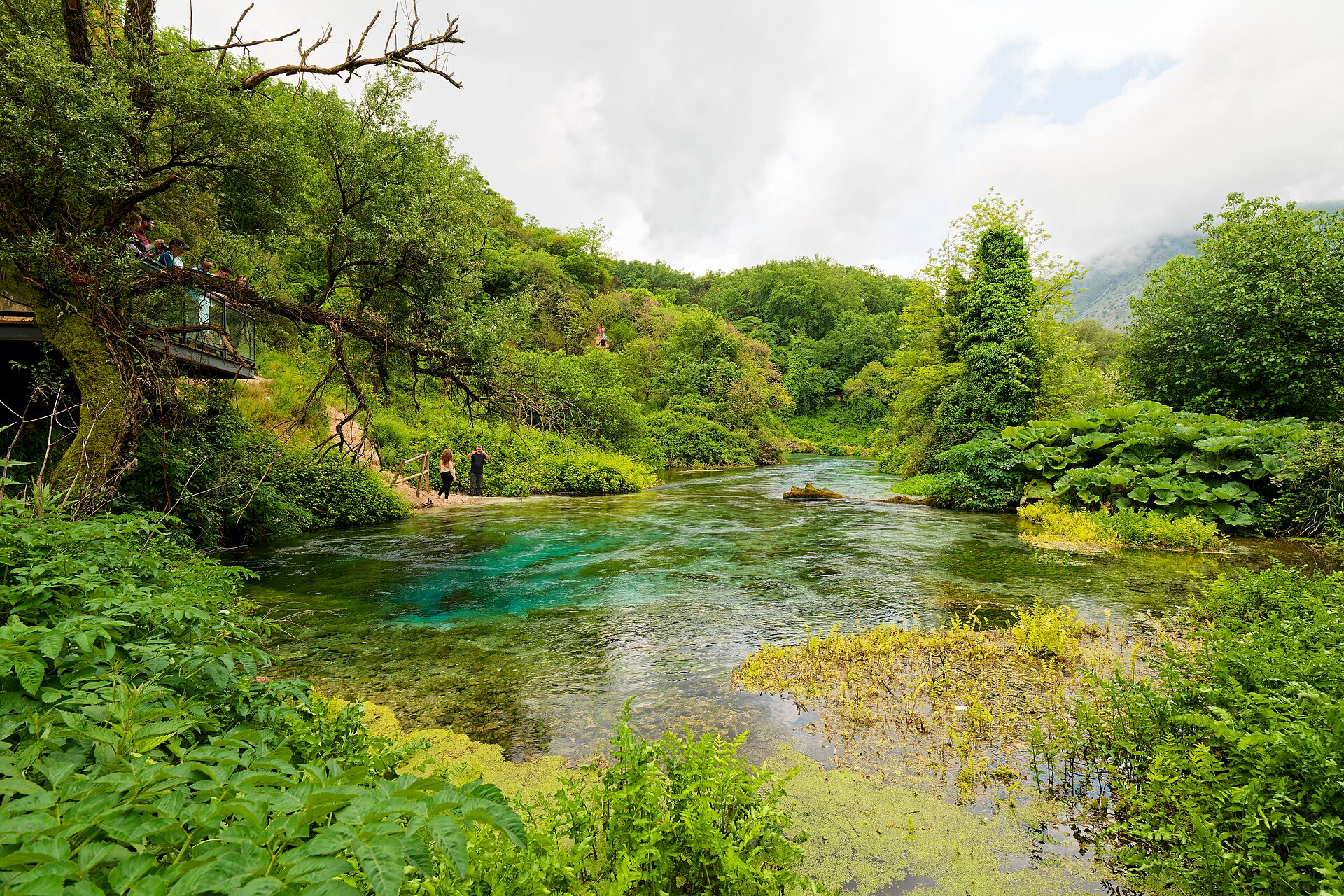
Exploring Albania’s Hidden Corners: Lake Komani Ferry, Sazan Bunker and Karaburun Peninsula
Albania offers a raw and untouched experience for travelers seeking the offbeat. From the fjord-like Lake Komani ferry to the Soviet-era bunkers on Sazan Island and the rugged Karaburun Peninsula, these spots reveal Albania’s true wilderness and Cold War history. This curated route is for adventurers willing to navigate challenging terrain and limited infrastructure, uncovering the country’s most authentic and lesser-known sites.

Lake Komani ferry
Arriving at the edge of the Albanian Alps, the sight of the Lake Komani ferry cutting through the fjord-like waters signals the start of an adventure into Albania’s remote wilderness. This narrow, winding lake was carved by glacial activity and remains one of the most spectacular natural routes in the country. The ferry ride offers breathtaking views of steep cliffs, lush forests, and hidden waterfalls, making it a favorite for those seeking untouched scenery. The journey takes about two hours, crossing from the village of Koman to Fierza, and is best experienced in spring or early autumn when water levels are high and weather is mild. The ferry is seasonal, with limited runs outside peak months, so plan ahead. The route is not for the faint-hearted; the boat navigates narrow channels with strong currents, and the surrounding terrain demands a good level of physical readiness if you plan to explore on foot. Most travelers combine this with a drive through the rugged mountains or a stay in a local guesthouse. If you want to see Albania’s raw natural beauty, this ferry is worth the effort, especially for outdoor enthusiasts and photographers. Be prepared for limited facilities at the start and end points, and consider bringing supplies for the day. For those seeking a true wilderness experience, the Lake Komani ferry is a must. If you prefer a more comfortable trip, consider a guided tour that includes transport and local insights. After the ferry, the journey continues into the less-traveled interior, where the landscape becomes even more dramatic and less developed.

Sazan Bunker
Hidden on the island of Sazan, the Soviet submarine base and Cold War bunker complex stand as silent witnesses to Albania’s secretive past. Accessing this site requires a boat from the mainland, usually from the port of Durrës, with a permit due to its military history. Once there, the sprawling concrete tunnels and abandoned facilities reveal a stark contrast to Albania’s natural beauty. The site is largely untouched, with rusting machinery and graffiti-covered walls telling stories of Cold War tensions. Exploring the tunnels demands caution; some areas are unstable or flooded, and a guide familiar with the site’s layout is highly recommended. Visiting Sazan Bunker is not for casual tourists but for those interested in Cold War history and abandoned sites. The best time to visit is in late spring or early autumn when sea conditions are calmer and weather is mild. Expect limited facilities on the island, so bring water, sturdy footwear, and a flashlight. The island’s isolation means you’ll have a rare chance to step back into a secret world, away from modern tourism. This spot suits history buffs and adventure travelers willing to endure a rougher journey for a glimpse into Albania’s hidden military past. After exploring Sazan, you can continue along the coast to other remote sites or return to the mainland for a different perspective on Albania’s rugged coastline.
Karaburun Peninsula
The Karaburun Peninsula stretches rugged and wild along Albania’s coast, offering a stark contrast to more popular beaches. Its jagged cliffs, hidden coves, and sparse settlements make it a haven for those seeking solitude and raw nature. Access is challenging; most visitors arrive by 4×4 from the town of Vlorë, as the dirt roads are rough and often washed out in the rainy season. The terrain demands good vehicle skills and a sense of adventure. Once there, the landscape reveals a mix of rocky outcrops, sparse vegetation, and secluded beaches that few tourists reach. The area is ideal for hiking, camping, and exploring abandoned military sites, including old radar stations and lookout points. The best months to visit are late spring and early autumn, when the weather is stable and the landscape is lush. Facilities are minimal, so pack everything you need for a day or overnight stay. The remote nature of Karaburun makes it perfect for travelers who want to escape the crowds and experience Albania’s untouched coastline. Be prepared for limited cell service and rough roads, but the reward is a landscape that feels truly untouched. This spot is for experienced explorers willing to endure some hardship for the chance to stand on cliffs overlooking the Ionian Sea, far from the tourist trail. After Karaburun, consider heading south to the more developed beaches or inland to discover Albania’s mountain villages.


Combining Albania’s Off-the-Beaten-Path Pins into a Trip
Routing through Albania’s lesser-known sites requires careful planning due to challenging terrain, limited infrastructure, and seasonal access. Focus on logical geographic clusters to minimize backtracking. The key is to balance travel time with access difficulty, especially when crossing remote mountain passes or ferry routes. Decide early whether to prioritize cultural sites or rugged outdoor adventures, as some routes demand specific transport modes and timing.
Lake Komani and Sazan Island Loop in the North 7-10 days
Begin in Shkodra, then take a ferry to Lake Komani for the ferry ride that reveals Albania’s fjord-like scenery. Explore the surrounding mountains and stay in local guesthouses. Cross to Sazan Island via boat, visiting the Soviet submarine base and Cold War tunnels. This route involves ferry schedules and variable weather; plan for flexibility. Decide whether to include the Sazan detour, which adds a day but offers unique history and water views.
Karaburun Peninsula and BunkArt Tunnels in the South 5-8 days
Start in Durrës, then drive along the Karaburun Peninsula, which involves rough roads best suited for a 4WD. Visit the rugged coastline, hidden beaches, and local fishing villages. Incorporate a visit to BunkArt tunnels near Tirana, which require pre-arranged permits and timed visits. This route demands careful planning around local transport and permit windows, especially for heritage sites. It’s ideal for travelers seeking raw coastal landscapes and Cold War history.
Kombinieren mit
Extend the trip by crossing into Montenegro via the border at Sukobin for additional fjord landscapes or head east into North Macedonia to explore more remote mountain villages. These borders are accessible by local buses or private transfers, but check seasonal crossing hours and permit requirements beforehand.
Practical Realities for Off-the-Beaten-Path Albania Travel
Reaching and staying at Albania’s remote pins demands attention to terrain, weather, and transport logistics. Many routes involve unpaved roads, seasonal ferry schedules, and limited local services. Prepare for variable road conditions, especially in mountain areas and on the Karaburun Peninsula, where 4WD is often necessary. Flexibility and local knowledge are key to navigating these off-beat regions successfully.
Road closures and seasonal access
Many remote roads, especially in the mountains and along the coast, are impassable during winter or after heavy rains. The road to the Karaburun Peninsula can wash out or become muddy, requiring a 4WD vehicle. Check local conditions before travel and consider traveling in late spring or early autumn for the best access.
Ferry-dependent reach
Access to Lake Komani and Sazan Island relies on ferries with limited schedules. The Lake Komani ferry runs seasonally, and boat trips to Sazan Island depend on weather and local operators. Confirm schedules in advance and have a backup plan, such as overland routes, if ferries are canceled.
Vehicle requirements
Rough roads along the Karaburun Peninsula and mountain passes often require a 4WD rental. Standard cars may struggle or risk damage. Be prepared for narrow, unpaved roads, and carry extra fuel and spare tires when venturing into less accessible areas.
Language outside the tourist track
In remote villages and mountain areas, English is rarely spoken. Learning basic Albanian phrases or hiring local guides can greatly improve communication, especially when arranging transport or permits for heritage sites like BunkArt tunnels.
Questions About Off-the-Beaten-Path Albania
1How does this off-beat loop differ from visiting Albania’s main highlights?
This route takes you away from popular tourist spots like Tirana or Saranda, focusing instead on rugged coastlines, Soviet-era bunkers, and remote mountain villages. It offers a rawer, less commercial experience, but requires more planning around ferry schedules, road conditions, and limited services. Expect fewer amenities but more authentic encounters with local communities.
2Is Lake Komani worth the detour if I only have 5 days in Albania?
If you enjoy scenic ferry rides and mountain landscapes, yes. The Lake Komani ferry provides a unique fjord-like experience, but it takes a full day to reach from Shkodra and involves boat schedules. If time is tight, consider a shorter visit or skipping the ferry and exploring nearby mountain villages instead.
3Can I do these pins solo or with kids, and what should I consider?
Solo travel is feasible but requires self-sufficiency, especially with navigation and language. For families, consider the physical demands of mountain roads and ferry schedules. Always check road conditions and ferry timings beforehand, and prepare for limited medical access in remote areas. A local guide can improve safety and logistics.
4What gear or vehicle do I need that I can’t rent on the main tourist trail?
A 4WD vehicle is essential for reaching the Karaburun Peninsula and mountain passes. Bring waterproof gear, spare tires, and extra fuel for unpaved roads. In remote regions, satellite communication devices or local SIM cards with data can help in case of emergencies.
5When does hiring a local guide become necessary for these pins?
Hiring a guide is recommended for heritage sites like BunkArt tunnels, where permits and timing are strict. Guides also help navigate language barriers and remote roads, especially on the Karaburun Peninsula. For ferry trips and mountain hikes, local guides enhance safety and enrich the experience.
Bildnachweise: Foto: Holger Adams / Wikimedia Commons, CC BY-SA 4.0 · Foto: Arianit / Wikimedia Commons, CC BY-SA 4.0 · Foto: Ximonic (Simo Räsänen) / Wikimedia Commons, CC BY-SA 3.0 · Foto: Ulrik Sverdrup / Wikimedia Commons, CC BY-SA 3.0 · Foto: Ximonic (Simo Räsänen) / Wikimedia Commons, CC BY-SA 4.0 · Foto: Edwinschepers / Wikimedia Commons, CC BY-SA 3.0